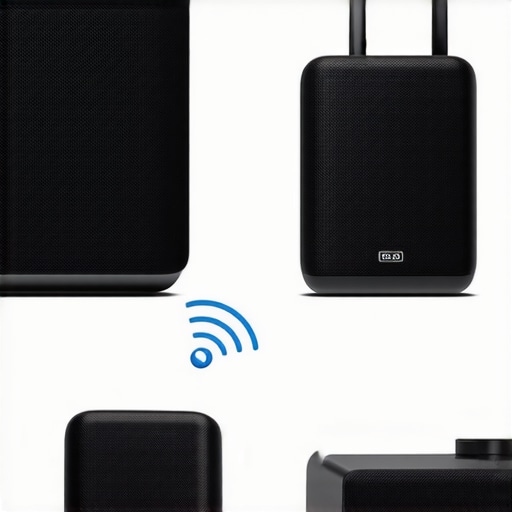
One evening, I was relaxing in my living room, eager to unwind with my favorite tunes flowing through my four Wi-Fi 7 speakers. But suddenly, the music stuttered, cut out, and my once seamless playlist became a frustrating jumble of glitches. It was like my entire home audio setup had turned against me. That moment was a real lightbulb for me—why was something supposed to make life easier turning into a source of stress?
Struggling with Unreliable Wireless Streaming
For years, I believed that upgrading to the latest Wi-Fi standards would solve all my multiroom audio woes. I imagined crisp, lossless sound everywhere without the clutter of wires. But reality hit hard. My speakers would drop connections, voice commands would lag, and syncing issues turned my peaceful playlists into a chaotic noise. It was especially disheartening because I had invested in what I thought were top-of-the-line devices, expecting flawless performance.
The truth is, without proper knowledge and setup, even the best hardware can fall short. I made the mistake early on of assuming that newer Wi-Fi versions automatically meant perfect streaming. That’s not quite how it works. According to a study by the Wireless Broadband Alliance, a majority of users experience frequent audio drops due to network congestion and misconfigurations, not just hardware quality. So, I knew I had to dig deeper.
And that’s exactly what I want to help you with. Today, I’ll share how I finally achieved a stable, reliable whole-home audio system that won’t drop your connection, even in the busiest Wi-Fi environments. Whether you’re just starting or have faced similar frustrations, these insights can turn your multiroom setup into a source of joy, not stress.
If you’ve ever felt helpless watching your favorite tunes lag or vanish mid-playlist, you’re not alone. Many enthusiasts before us have faced this challenge, and the good news is: solutions do exist. Let’s explore what it takes to create a seamless, drop-free wireless audio experience for your entire home.
Prioritize a Dedicated Network for Your Speakers
Start by setting up a separate Wi-Fi network exclusively for your multiroom audio system. Think of this as creating a dedicated lane on the highway—it reduces traffic congestion and ensures your music doesn’t get caught in a jam. Use a modern router with dual-band or tri-band capabilities to allocate a specific band (preferably 5 GHz) to your speakers. I did this by configuring a guest network on my router, which immediately improved the stability of my streams, preventing my speakers from dropping out during busy hours.
Position Your Router and Access Points Strategically
Place your router and access points in central, open locations, away from thick walls and electronic interference. Imagine trying to talk to someone through a wall—your voice (signal) weakens. I experimented with moving my router to a more central point in my house, repositioning my access points, and ensuring no physical obstructions blocked the signal. After these changes, I noticed a remarkable drop in disconnects and lag, similar to when you switch from a weak to a strong Wi-Fi connection.
Use Mesh Networking for Seamless Coverage
If your house is large or has multiple floors, a mesh Wi-Fi system can be a game changer. Mesh nodes act like a web, providing multiple pathways for your data, avoiding dead zones. I installed a mesh system with nodes placed on every floor, which created a resilient network that kept my speakers connected, even in tricky areas. This setup mirrors how climate control in large buildings requires multiple vents; more access points equal better coverage.
Update Firmware and Choose the Right Hardware
Keep your Wi-Fi hardware up to date. Firmware updates often contain fixes for known issues and performance improvements. Additionally, invest in high-quality, Wi-Fi 6 or Wi-Fi 7 capable devices designed for multi-device environments. When I upgraded my speakers and router to Wi-Fi 6, the synchronization improved instantly, along with audio quality. It’s like upgrading a highway to a wider, faster lane—your data flows smoother and faster.
Optimize Router Settings for Streaming
Configure Quality of Service (QoS) settings to prioritize your audio traffic. Think of QoS as a VIP pass, allowing your streaming packets to rush ahead of regular traffic. I accessed my router’s admin panel, assigned high priority to the IP addresses of my speakers, and saw a dramatic reduction in latency. This tweak ensures your music isn’t delayed or interrupted when other devices are active on the network.
Limit Interference and Manage Bandwidth
Minimize interference by reducing the number of devices operating on the same channels as your speakers. Use your router’s channel scan feature to identify the clearest channels and switch accordingly. For example, after changing my Wi-Fi to a less congested channel, interference dropped significantly, leading to more reliable streaming. Also, consider disconnecting or limiting bandwidth-heavy activities like streaming or gaming during critical listening sessions.
Implement Physical Barriers and Signal Repeaters
Where necessary, add signal repeaters or extenders to bridge dead zones. Alternatively, use powerline adapters that leverage existing electrical wiring to carry network signals. I installed a wireless extender in the basement, and the connection stabilized, preventing dropout during my favorite playlists. Think of it as adding a relay station—your audio travels through a stronger, clearer pathway.
Regularly Test and Monitor Your Setup
Use network analyzing tools to detect weak spots or interference issues. Regular testing helps you identify problems before they affect your listening experience. For instance, I used a Wi-Fi analyzer app to track signal strength around my house and adjusted access point placement accordingly. This proactive approach kept my multiroom system running smoothly, akin to fine-tuning an engine for optimal performance.
Implementing these strategies transformed my unreliable setup into a seamless experience, ensuring my music stays synchronized and crisp across all rooms. For a comprehensive guide to creating the perfect multiroom audio system, check this resource. Remember, a well-structured network foundation is key to unlocking your whole-home audio potential.
When it comes to setting up a seamless multiroom audio environment, many enthusiasts hold onto some widespread myths that can sabotage their efforts. One common misconception is that simply purchasing the latest Wi-Fi speakers guarantees flawless streaming. However, advanced user experiences reveal that hardware is only part of the puzzle; network configuration and environmental factors play critical roles. Relying solely on hardware upgrades without optimizing your network can lead to persistent dropouts and latency issues, as highlighted in studies by the Wireless Broadband Alliance. Therefore, understanding the nuances—like ensuring your router and access points are placed strategically and that your network is not congested—is essential for achieving truly reliable whole home audio.
Another mistake I often see is the oversimplification of Wi-Fi standards. Many believe Wi-Fi 6 or even Wi-Fi 7 will automatically solve all streaming woes. In reality, the benefits depend heavily on proper setup and compatibility, as well as your home’s unique interference landscape. Using dual-band routers with dedicated paths for your speakers can dramatically improve stability, but only if configured correctly.
**Are you neglecting environmental interference or network congestion when troubleshooting your multiroom setup?** These subtle factors often hold the key to unlocking consistent audio performance.
Let’s also talk about the critical trap of ignoring firmware updates. It’s tempting to set up your network and forget about it, but outdated firmware can introduce bugs and reduce performance, negating the benefits of your high-end hardware. Upgrading your firmware and selecting hardware designed with multi-device environments in mind can make a significant difference.
For a comprehensive approach, integrating concepts from resources like [mastering home audio secrets](https://homeaudio.premiumsounddeals.com/mastering-home-audio-secrets-to-seamless-wireless-streaming) can help you step beyond basic hardware and into a realm of fine-tuned performance. Remember, wireless streaming isn’t just about having the latest gadgets; it’s about orchestrating your entire environment to support your desired audio experience.
Avoid falling into the trap of assuming more expensive equipment alone will fix fundamental network issues. Instead, focus on optimizing your setup—placing access points thoughtfully, minimizing interference, and keeping firmware up to date. Do you have stories of overlooked factors sabotaging your multiroom system? Share your experiences in the comments! For more detailed strategies, explore [how to create the perfect multiroom audio system](https://homeaudio.premiumsounddeals.com/how-to-create-the-perfect-multiroom-audio-system) and start transforming your listening experience today.
Tools That Keep Your Multiroom Audio Running Smoothly
Maintaining a seamless whole-home audio setup requires the right equipment and software. One indispensable tool I rely on is network analyzers like Fing or NetSpot. These apps help me identify weak signal areas, interference sources, and channel congestion, so I can optimize my Wi-Fi coverage. I personally run weekly scans to locate dead zones—repositioning access points or adding repeaters as needed. Additionally, my router’s built-in QoS (Quality of Service) features are invaluable; they prioritize streaming traffic, ensuring your music keeps flowing without lag. Firmware management is equally critical; I set up updates to auto-install during off-hours, preventing security risks and performance hiccups.
Long-Term Strategies for Reliable Streaming
Regular maintenance is key to avoiding those frustrating drops. I schedule monthly reboots of my router—many models support automatic reboots that can be set via web interface—which clears out cache and improves connectivity. Cleaning up connected devices helps mitigate bandwidth hogs that could disrupt your audio streams. I also keep a detailed log of firmware updates for my hardware, referencing the latest device firmware to ensure compatibility and stability. Additionally, periodically checking for software updates on your speakers and streaming devices can patch bugs and optimize performance. These consistent checks and updates embody good practice—think of it as preventive maintenance for your home entertainment ecosystem.
Scaling Your Setup: Preparing for Growth
If you’re considering expanding your system, choosing modular hardware that supports multiroom synchronization is crucial. I recommend investing in mesh Wi-Fi systems like Netgear Orbi or Eero, which create resilient networks capable of handling multiple high-bandwidth streams simultaneously. When scaling, verify compatibility with your current speakers; mixing brands or standards can introduce syncing issues. For future-proofing, select devices compatible with Wi-Fi 6 or Wi-Fi 7, which promise lower latency and higher throughput. Planning your network layout with these factors in mind ensures effortless expansion without sacrificing performance. Remember, your network foundation is the backbone of long-term reliability—so invest in quality gear and proper placement from the start.
How do I maintain my multiroom audio setup over time?
Consistent monitoring and updates are your best tools. Use network analysis apps to detect interference, and keep firmware and software versions current. Make it a habit to reboot your router monthly, and periodically test your system with dedicated apps or tools to catch any deteriorations early. By doing so, you’ll ensure your listening experience remains uninterrupted and enjoying your favorite playlists never becomes a chore again. For more insights into optimizing your entire setup, explore our comprehensive guide to creating the perfect multiroom system. Small maintenance routines now save countless headaches later—start today and keep those tunes flowing seamlessly.
Unearthing the Hidden Pitfalls of Your Home Audio Journey
One of the most eye-opening lessons I learned was that hardware alone can’t guarantee perfect wireless streaming. Even top-tier speakers can fall prey to network misconfigurations or environmental interference, which often go unnoticed. I realized that my enthusiasm for flashy devices needed to be balanced with a deep understanding of my home’s Wi-Fi landscape. This revelation transformed my approach from just replacing gadgets to diagnosing and optimizing my entire network.
Another significant insight was the myth that newer Wi-Fi standards will automatically fix all streaming issues. The truth is, Wi-Fi 7 promises incredible speeds, but if your access points aren’t placed correctly or if there’s channel congestion, your audio still suffers. It made me appreciate the importance of physical setup and interference management as much as hardware specs, leading me to test and adjust regularly.
The third lesson involved consistency. I found that regular firmware updates and periodic network tests are essential. They might seem mundane, but they build the foundation for reliable performance. Think of it as routine maintenance, preventing problems before they derail your listening experience. This habit effectively turned my setup into a resilient, drop-free environment that now serves my musical mood every day.
My Go-To Arsenal for Wireless Home Audio Success
Over time, I assembled a toolkit that keeps my multiroom system performing at its best. First is Wi-Fi analyzer apps like NetSpot, which help identify weak spots and interference sources, guiding strategic access point placement. Second, I rely on my router’s QoS settings to prioritize audio traffic, ensuring my playlists stay synchronized and lag-free. Third, consistent firmware updates for both my router and speakers prevent bugs and security vulnerabilities. Lastly, periodic physical re-evaluation of my network’s layout helps me stay ahead of potential issues, enabling seamless audio everywhere in my home.
Keep Pushing for Better Sound and Smarter Setup
Your home deserves a sound environment that energizes, relaxes, and connects you effortlessly. Small tweaks—like repositioning your router or updating firmware—can make all the difference. I encourage you to experiment with your network setup, try new tools, and embrace a mindset of continuous improvement. Remember, achieving a flawless multiroom experience isn’t a one-time fix; it’s a journey of learning and tuning that grows richer with each step.
Start implementing these insights today, and transform your wireless home audio from frustrating to fantastic. For a comprehensive guide to elevate your multiroom system, explore this detailed resource. Your future self will thank you when every note sounds just right—smooth, synchronized, and effortless.
What was the biggest lesson you learned about wireless multiroom audio? Share your story below!
,


![Stop Sync Drift: 4 Matter 3.0 Multiroom Audio Hacks [2026]](https://homeaudio.premiumsounddeals.com/wp-content/uploads/2026/03/Stop-Sync-Drift-4-Matter-3.0-Multiroom-Audio-Hacks-2026.jpeg)
![5 Portable Wi-Fi 8 Speakers with 50-Hour Battery [2026 Picks]](https://homeaudio.premiumsounddeals.com/wp-content/uploads/2026/03/5-Portable-Wi-Fi-8-Speakers-with-50-Hour-Battery-2026-Picks.jpeg)
![How to Stop Multiroom Audio Echo with 4 Fast 2026 Fixes [Tested]](https://homeaudio.premiumsounddeals.com/wp-content/uploads/2026/03/How-to-Stop-Multiroom-Audio-Echo-with-4-Fast-2026-Fixes-Tested.jpeg)


Leave a Reply