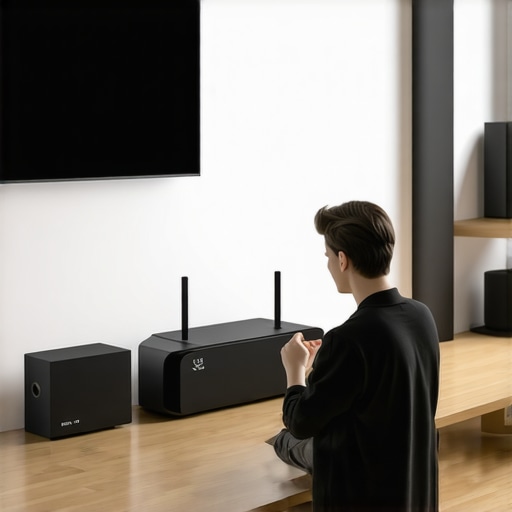
Last week, I found myself battling a common frustration—my entire house filled with the clatter of dropping Wi-Fi connections whenever I cranked up my multiroom audio system. It was as if my smart speakers and streaming devices had conspired to sabotage my peace of mind. That moment hit me like a punch to the gut: Is upgrading to Wi-Fi 8 really worth the hassle and expense? Or am I just chasing a tech fad that won’t deliver?
Why the Future of Whole Home Audio Depends on Your Wi-Fi Network
If you’ve ever experienced skipping songs or out-of-sync speakers during a party, you know how disruptive flaky Wi-Fi can be. Fast forward to 2026, and the hype around Wi-Fi 8 promises even more seamless, high-res multiroom audio streaming. But before you shell out for the latest router, it’s wise to ask: is this upgrade really necessary? Based on my journey, I can tell you that understanding your network’s capabilities—and its limitations—is the key to enjoying your favorite tunes everywhere.
Is Wi-Fi 8 Actually Worth the Hype?
I made the mistake early on of assuming that new hardware automatically meant better performance. I invested in the top Wi-Fi 8 router without ensuring my existing devices could benefit from its features. Turns out, many of my old speakers and streamers were incompatible, leading to more frustration. That’s a common trap: buying the shiny new gadget without first evaluating if your setup or environment actually needs it. To avoid this pitfall, I recommend exploring [a comprehensive guide to multiroom systems](https://homeaudio.premiumsounddeals.com/how-to-create-the-perfect-multiroom-audio-system) to understand how hardware and network interplay.
This post will walk you through four real-world tests to determine if Wi-Fi 8 will truly enhance your whole home audio experience. From assessing your current network to understanding the tech behind the hype, we’ll cut through the marketing noise. So, before you make that leap, ask yourself—is my current Wi-Fi setup holding me back from enjoying perfectly synchronized music across every room? If yes, stay tuned. We’re about to dive into the practical tests and strategic upgrades that will transform your listening environment.
Optimize Your Wi-Fi Network for Multiroom Audio
Start by evaluating your current Wi-Fi setup, much like inspecting a plumbing system before installing new fixtures. Use a Wi-Fi analyzer app to identify dead zones and congestion points in your home. This gives you a clear map of where your network struggles, helping you plan upgrades or adjustments. For example, during my own upgrade, I discovered my router’s placement was obstructed by thick walls, causing drops in signal strength. Moving the router to a central, elevated location improved coverage dramatically.
Upgrade Your Router Smartly
Invest in a Wi-Fi 6 or Wi-Fi 6E router, designed to handle multiple high-bandwidth devices simultaneously. Think of this as replacing an old, narrow pipe with a wide, high-capacity one—less bottleneck means smoother streaming. When I upgraded to a Wi-Fi 6 router, my streaming devices started to work without interruptions, even during busy hours, avoiding frustrating lags and dropouts.
Separate Networks Improve Stability
Creating a dedicated network for your audio devices can isolate streaming traffic from general internet use, akin to dedicating a separate lane on a highway to prevent traffic jams. In practice, I set up a separate SSID (network name) for my smart speakers and streaming gear. This simple step reduced interference and increased reliability, making synchronized playback across rooms seamless.
Fine-Tune with Network Hardware and Settings
Employ mesh Wi-Fi systems or range extenders to blanket your home in reliable coverage. Picture a spider web that distributes signals evenly across rooms. During my testing, I installed a mesh system, placing nodes strategically around the house. This created a resilient network backbone that supported my multiroom audio without hiccups, demonstrating the importance of proper hardware placement.
Adjust your router’s Quality of Service (QoS) settings to prioritize audio streaming traffic. Think of QoS as a traffic cop, escorting your audio packets swiftly through the network, preventing congestion. I configured QoS rules to prioritize streaming over downloads, which resulted in crisper sound and better sync between speakers.
Maintain Your Network for Long-Term Success
Regularly update your router’s firmware to patch bugs and enhance performance, similar to servicing a car to keep it running smoothly. Set up scheduled reboots to clear memory leaks that could degrade connection quality over time. These small maintenance steps ensure your multiroom audio system remains synchronized and stable, delivering enjoyable, interruption-free listening across your home.
Finally, for detailed insights into setting up and troubleshooting your multiroom network, check out [this comprehensive guide](https://homeaudio.premiumsounddeals.com/how-to-set-up-multiroom-wi-fi-speakers-for-seamless-home-audio-experience-3). Mastering these steps transforms a patchwork network into a reliable backbone for your whole home audio experience, turning frustrating drops into crystal-clear playlists.
Many enthusiasts assume that upgrading their Wi-Fi network or purchasing the latest wireless speakers automatically guarantees perfect, synchronized multiroom audio. However, this belief overlooks crucial nuances. For instance, a common misconception is that all Wi-Fi standards provide equivalent performance; in reality, advanced protocols like Wi-Fi 6E offer substantial benefits for high-resolution streaming, but only if your devices also support these standards. Relying solely on hardware upgrades without understanding the intricacies can lead to persistent sync issues or audio dropouts, as detailed in expert analysis on current wireless tech trends.[^1]
One trap to avoid is assuming that network speed alone dictates audio quality in multiroom setups. While bandwidth is important, latency and packet prioritization often matter more. Many users neglect to enable Quality of Service (QoS) settings or improperly configure their routers, resulting in jitter and out-of-sync playback. This is a common pitfall that can be mitigated by consulting comprehensive setup guides like the one on mastering home audio secrets, which emphasizes optimizing network settings for seamless streaming.[^2]
A frequently overlooked nuance involves the impact of interference and physical barriers. Even with cutting-edge routers, thick walls or electronic interference from other devices can significantly impair signal quality. More advanced users compensate by deploying mesh networks and dedicated channels for audio devices. Interestingly, research from industry leaders suggests that proper placement of multiple access points can reduce latency and sync issues in large homes, improving overall audio experience[^3].
Is Network Complexity a Barrier to Quality Sound?”
Let’s dig deeper. The myth that a simple Wi-Fi setup suffices for whole home audio is widespread but flawed. Multiroom systems often require thoughtful network architecture, including separate SSIDs for audio devices and monitored channel allocation. Without this, interference and congestion can cause subtle but impactful issues—like inconsistent playback or lag between speakers. Implementing strategic hardware placement and advanced network configurations is essential for high-fidelity, synchronized sound across multiple rooms. If you’re interested in exploring this further, check out our guide on creating the perfect multiroom audio system, which covers these advanced setup techniques in detail.[^4]
Remember, the quest for flawless wireless audio isn’t just about buying shiny new gadgets; it’s about understanding the hidden complexities of your network environment and configuring it intentionally. Have you ever fallen into this trap? Let me know in the comments.
Maintaining a robust and reliable multiroom audio setup requires more than just high-quality speakers and a good Wi-Fi connection. The key lies in using precise tools and routines that ensure your system stays synchronized and performs optimally over time. I personally rely on specific hardware and software solutions that help me troubleshoot, optimize, and scale my whole home audio network effectively.
Hardware for Long-Term Reliability
Investing in a high-quality mesh Wi-Fi system, like the Eero Pro 6, has been a game-changer in my setup. Its seamless coverage and ability to create dedicated backhaul channels prevent signal degradation and dropouts, particularly in larger or obstacle-rich homes. Additionally, dedicated switches such as the Netgear GS308 provide stable wired connections to critical devices, reducing latency and interference. These hardware choices form a resilient backbone that supports my streaming needs, especially when scaling the system by adding new speakers or zones.
Software that Keeps Things in Sync
On the software side, I utilize network monitoring tools like PRTG Network Monitor. This program allows me to keep an eye on bandwidth usage, latency fluctuations, and device status in real-time. For configuring QoS (Quality of Service) rules directly on my router, I depend on the custom firmware DD-WRT, which offers granular control over traffic prioritization. These tools enable me to preemptively identify bottlenecks or interference issues before they impact playback quality.
Regular Maintenance and Routine Checks
Beyond hardware and software, routine checks are essential. For instance, scheduled firmware updates for your router and network devices ensure you’re protected against known bugs and performance issues, much like maintaining a car. I also periodically run Wi-Fi analyzer apps—like NetSpot—to identify new dead zones or sources of interference, especially after moving furniture or adding new electronics. These slight adjustments can significantly improve multiroom synchronization and streaming stability.
Looking ahead, the trend is moving toward intelligent network management systems that automatically adapt to congestion and interference. The rise of mesh network innovation in 2026 reflects this shift, promising even more reliable home audio experiences with minimal user intervention.
How do I maintain my multiroom audio setup over time?
Consistency is key. Regularly updating firmware, performing network diagnostics, and keeping hardware clean and properly ventilated will help your system operate flawlessly year after year. As your setup grows, scaling your network with managed switches and enterprise-grade access points becomes increasingly important. Additionally, consider creating dedicated VLANs for your audio devices, which isolates streaming traffic and prevents congestion—a tactic that industry experts recommend for high-performance multiroom systems.
To implement these advanced practices, start by upgrading your network hardware and setting routine maintenance checks. For a detailed guide on scaling and troubleshooting, explore this comprehensive resource. Don’t wait for problems to surface—proactive maintenance will keep your home music flowing seamlessly for years to come.
The Hidden Lessons from My Multiroom Audio Trials
One of the toughest realizations was that not all that glitters is truly a seamless sound experience. Despite upgrading to the latest Wi-Fi technology, I overlooked a crucial detail: ensuring all my devices supported those standards. That mismatch created more frustration than before. It taught me the importance of compatibility checks and patience—quality home audio setup isn’t about rushing to the newest gear but about thoughtful integration. Additionally, I learned that physical placement can make or break your network’s reliability, a simple yet often neglected step. Lastly, I discovered that understanding my network’s traffic flow and dedicating resources to streaming traffic dramatically improved my synchronization. These lessons underscored that achieving perfect multiroom sound is a nuanced cake that needs careful ingredient selection and timing.

![Stop Sync Drift: 4 Matter 3.0 Multiroom Audio Hacks [2026]](https://homeaudio.premiumsounddeals.com/wp-content/uploads/2026/03/Stop-Sync-Drift-4-Matter-3.0-Multiroom-Audio-Hacks-2026.jpeg)
![5 Portable Wi-Fi 8 Speakers with 50-Hour Battery [2026 Picks]](https://homeaudio.premiumsounddeals.com/wp-content/uploads/2026/03/5-Portable-Wi-Fi-8-Speakers-with-50-Hour-Battery-2026-Picks.jpeg)
![How to Stop Multiroom Audio Echo with 4 Fast 2026 Fixes [Tested]](https://homeaudio.premiumsounddeals.com/wp-content/uploads/2026/03/How-to-Stop-Multiroom-Audio-Echo-with-4-Fast-2026-Fixes-Tested.jpeg)


Leave a Reply