My Journey into Wireless Home Audio
I still remember the first time I decided to upgrade my living room with wireless speakers. The idea of streaming my favorite tunes effortlessly across the house sounded like a dream, but I was unsure where to start. After diving into various setups and experimenting with different devices, I realized that mastering home audio isn’t just about buying the latest tech — it’s about understanding how to make it work seamlessly together. Today, I want to share some secrets I discovered to achieve that perfect wireless streaming experience.
Understanding the Heart of Wireless Streaming
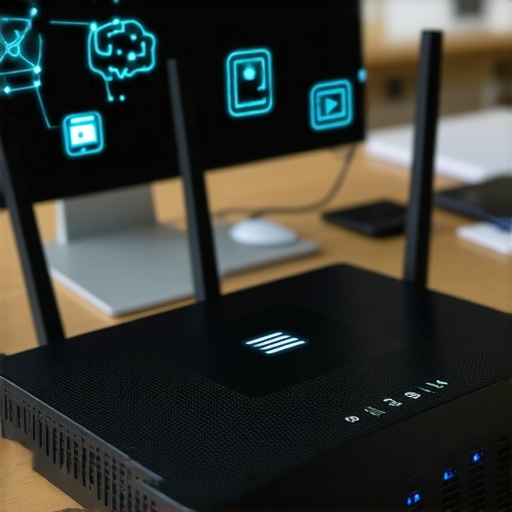
In my experience, the foundation of a successful home audio system lies in the network. A robust Wi-Fi connection is crucial. I learned that a weak Wi-Fi signal can cause frustrating dropouts or latency issues. That’s why investing in a good router or mesh network can make all the difference. Once I upgraded my Wi-Fi setup, I noticed immediate improvements in streaming stability and audio quality. For detailed insights, I recommend checking out CNET’s guide on Wi-Fi routers.
Choosing the Right Wireless Speakers
Not all wireless speakers are created equal. I started with a basic set and quickly realized that compatibility and features matter. I opted for brands that support multi-room setups and offer app control, which made managing my music easier. When I explored options like the Sonos system, I appreciated how straightforward it was to sync multiple speakers across rooms. This approach transformed my space into a seamless listening environment. If you’re interested, check out our list of top Wi-Fi speakers for some recommendations.
How Do I Ensure Perfect Synchronization?
One challenge I faced was maintaining perfect sync across all speakers. Latency can be an issue, especially with different brands or older devices. To overcome this, I made sure my entire system was on the same network and used speakers compatible with the same protocol. I also learned that placing speakers strategically and minimizing obstacles improved audio sync. Additionally, software updates from manufacturers often include performance improvements — staying up-to-date is key. For advanced tips, I suggest exploring What Hi-Fi’s multi-room audio guide.
What Are the Limitations of Wireless Home Audio?
While I love wireless streaming for its convenience, I’ve encountered limitations such as interference from other Wi-Fi devices or network congestion. These issues can affect sound quality or cause interruptions. My solution has been to optimize my network and sometimes use wired connections for certain components. Still, I believe that with proper setup, wireless home audio can rival traditional wired systems. For further reading, the TechHive article offers a comprehensive overview of potential limitations and solutions.
If you’ve tried building your own multi-room setup, I’d love to hear your experiences in the comments. Sharing tips and tricks can help us all master the art of seamless wireless streaming. Remember, the key is patience and continuous learning — your perfect home audio system is within reach!
Innovating with Voice Control and AI Integration
One of the most exciting developments in wireless home audio is the integration of voice control and artificial intelligence. As an enthusiast, I’ve observed how platforms like Amazon Alexa or Google Assistant are transforming how we interact with our speakers. Instead of manually adjusting volume or changing tracks, users can simply speak commands, creating a more intuitive experience. This advancement also opens the door for smarter multi-room setups that adapt to your listening habits and preferences. For example, some systems now automatically synchronize music based on activity zones within your home, thanks to AI algorithms. To fully leverage these innovations, I recommend exploring TechRadar’s reviews on voice-activated speakers.
Addressing Wireless Interference and Signal Stability
Despite the many benefits, wireless home audio systems are not immune to technical hurdles. Interference from other Wi-Fi devices, Bluetooth gadgets, or even household appliances can disrupt audio streams. As an expert, I’ve learned that advanced mesh networks and dual-band routers significantly mitigate these issues by intelligently managing traffic and reducing congestion. Additionally, some high-end speakers now incorporate dedicated wireless channels or Ethernet ports, allowing for more stable connections. Incorporating wired connections for critical components remains a practical fallback, especially in environments with dense wireless activity. For a comprehensive understanding of technical solutions, the article PC World’s guide on Wi-Fi interference offers valuable insights.
What Are the Emerging Trends Shaping the Industry?
Looking ahead, several trends promise to redefine wireless home audio. The rise of Dolby Atmos and spatial audio technologies is making multi-dimensional sound more accessible for home users, enhancing immersion. Meanwhile, the adoption of Wi-Fi 6 and Wi-Fi 6E standards promises faster, more reliable streaming even in complex home networks. Moreover, manufacturers are increasingly focusing on eco-friendly and energy-efficient devices, aligning with broader sustainability goals. These innovations don’t just improve sound quality; they also simplify the user experience, making sophisticated setups more approachable for the average consumer. For further inspiration, read about the latest innovations in CNET’s technology news section.
How Can You Future-Proof Your Wireless Home Audio System?
As an industry expert, I often get asked how to build a system that remains relevant amid rapid technological change. My advice is to prioritize modular and upgradeable components, such as systems compatible with universal protocols like AirPlay 2 or Chromecast. Investing in a flexible network infrastructure—think mesh Wi-Fi and multi-port switches—also ensures your system can handle future bandwidth demands. Staying informed about emerging standards and firmware updates is equally important, as many manufacturers release enhancements that improve functionality over time. For those eager to stay ahead, following authoritative sources like TechHive can keep you updated on the latest trends and best practices.
If you’re experimenting with your own multi-room setup, I encourage you to share your experiences or ask questions in the comments. Exploring these cutting-edge developments together can help us all master the art of seamless wireless streaming and create truly smart, connected living spaces!
Future-Proofing Your System: Navigating the Rapid Evolution of Wireless Technologies
As I reflect on my own experiences, the rapid pace at which wireless audio technology evolves can feel both exhilarating and daunting. When I first embarked on building my multi-room setup, I was overwhelmed by the sheer number of standards, protocols, and new devices hitting the market. It reminded me of trying to keep up with fashion trends—exciting but potentially fleeting. Over time, I learned that the key to staying relevant is choosing components that are adaptable and compatible with emerging standards, like Wi-Fi 6 or the latest versions of AirPlay and Chromecast. These technologies promise not only better performance but also greater longevity for your investment.
Embracing Modular and Upgradeable Systems
One insight I wish I had known earlier is the importance of modular design. Instead of buying a monolithic system, I opted for components that could be upgraded or expanded without replacing everything. For example, investing in a high-quality mesh Wi-Fi network allowed me to add new speakers or upgrade existing ones without disrupting my entire setup. This approach saved me money and frustration in the long run. It also means I can experiment with new features—like spatial audio or voice control—without feeling locked into a specific ecosystem. If you’re contemplating your own upgrade path, consider systems that support open protocols and easy firmware updates, which are crucial for keeping pace with technological advancements.
Managing Compatibility and Transition Challenges
One practical challenge I faced was ensuring compatibility across different brands and protocols. Sometimes, I found that a new speaker wouldn’t seamlessly integrate with my existing ecosystem, leading to frustrating delays and compromises. My workaround was to focus on ecosystem-neutral technologies—like Chromecast or Apple’s AirPlay 2—that prioritize interoperability. Additionally, I’ve learned to keep my firmware updated and to read manufacturer release notes carefully, as these often include critical compatibility improvements. For those of you who are venturing into multi-brand setups, I recommend exploring the TechHive article on how to future-proof your wireless system—it’s a treasure trove of practical advice.
My Personal Experience with Tech Support and Community Learning
Another aspect that’s often overlooked is the value of community and technical support. When I encountered compatibility issues or bugs, I found that forums and manufacturer support channels could be invaluable. Sharing my experiences and reading about others’ solutions helped me avoid costly mistakes and discover innovative configurations. Engaging with online communities dedicated to home audio has been a rewarding journey—one that reaffirms that this field is as much about collective knowledge as it is about individual devices. I encourage you to participate actively, ask questions, and share your own successes and failures. It’s through this shared learning that we all can stay ahead of the curve and make smarter decisions.
Speculating on the Next Wave: AI and Automation in Wireless Audio
Looking ahead, the integration of AI and automation is poised to revolutionize wireless home audio even further. I’ve already started experimenting with voice-controlled routines that adapt based on my schedule and preferences. Imagine a system that not only plays your favorite music but also adjusts volume automatically when you start a video call or dims lights when you settle in for a movie. These features are still emerging, but the potential is enormous. For those eager to explore, I highly recommend following the latest developments on CNET’s technology news. Staying informed about these trends is essential if you want to keep your setup future-ready and truly smart.
Invitation for Community Insights and Personal Stories
Finally, I’d love to hear from you. Have you faced similar challenges or discovered clever solutions in your wireless audio journey? Sharing your stories can inspire others and foster a community where we learn from each other’s experiences. Whether you’re just starting out or have a seasoned setup, your insights add valuable perspectives to this ongoing conversation. Feel free to comment below or explore related content like our recommended Wi-Fi speakers list. After all, mastering wireless home audio is a continuous adventure—one that’s much richer when traveled together.
Future-Proofing Your System: Navigating the Rapid Evolution of Wireless Technologies
Reflecting on my extensive experience with wireless home audio, I recognize that staying ahead in this rapidly changing landscape requires a strategic approach. The constant emergence of new standards, protocols, and devices can seem overwhelming, akin to trying to catch fleeting waves in a digital ocean. To build a resilient and adaptable system, I emphasize choosing modular components that support universal protocols such as AirPlay 2, Chromecast, and Wi-Fi 6. These standards are designed to be backward-compatible and upgrade-friendly, ensuring longevity and flexibility. For instance, integrating a mesh Wi-Fi network not only enhances coverage but also future-proofs your setup against increasing bandwidth demands. As informed by industry insights detailed in CNET’s Wi-Fi router guide, selecting hardware that supports upcoming standards can significantly extend the lifespan of your investment.
Embracing Modular and Upgradeable Systems
One of the most valuable lessons I’ve learned is the importance of modularity. Instead of constructing a fixed, monolithic system, I opted for components that could be individually upgraded or expanded. This approach allowed me to incorporate new features like spatial audio or AI-driven voice routines gradually. For example, a high-quality mesh Wi-Fi setup provided a backbone that I could easily add compatible speakers or upgrade existing units without significant disruption. This modular mindset not only saves money but also encourages experimentation—essential in an industry where innovation is relentless. When selecting equipment, prioritize devices supporting open standards and firmware updates, which are vital for evolving features and security. This philosophy echoes the recommendations from TechHive’s comprehensive review on future-proofing home audio systems.
Managing Compatibility and Transition Challenges
Compatibility remains a core concern as I navigate multi-brand ecosystems. Early on, I faced frustrating delays when integrating new speakers with existing setups. My solution was to focus on ecosystem-neutral technologies like Chromecast and AirPlay 2, designed explicitly for interoperability. Keeping firmware updated and reviewing manufacturer release notes became routine, as these updates often include critical compatibility improvements. A noteworthy resource that helped me was TechHive’s article detailing strategies for seamless integration across diverse devices. Engaging with online forums and support communities also proved invaluable—sharing experiences and solutions accelerates troubleshooting and fosters innovative configurations. This collective knowledge base exemplifies the power of community in mastering complex technological landscapes.
My Personal Experience with Tech Support and Community Learning
Throughout my journey, I found that community engagement and support channels are essential. When faced with compatibility issues, forums like Reddit’s home audio community or official manufacturer support proved to be treasure troves of practical advice. Sharing my challenges and successes not only helped me troubleshoot but also inspired new ideas. This collaborative learning environment underscores that home audio mastery extends beyond individual devices; it’s a shared pursuit. I encourage fellow enthusiasts to actively participate, ask questions, and exchange insights—each contribution enriches the collective understanding and accelerates innovation.
Speculating on the Next Wave: AI and Automation in Wireless Audio
The horizon of wireless home audio is increasingly intertwined with AI and automation. I’ve begun experimenting with voice-controlled routines that adapt dynamically to my schedule, such as adjusting volume during calls or syncing lighting with music. The potential for intelligent systems to learn user preferences and automate complex tasks is immense. Recent developments highlighted in CNET’s coverage reveal how machine learning algorithms are enabling smarter multi-room configurations, creating immersive and personalized environments. Embracing these innovations requires a proactive approach—staying informed about emerging capabilities and firmware updates ensures your system remains at the cutting edge. The integration of AI not only simplifies operation but also unlocks new dimensions of home entertainment experience.
Invitation for Community Insights and Personal Stories
Finally, I invite you to share your own experiences and insights. Whether you’re troubleshooting compatibility issues, experimenting with new protocols, or exploring automation, your stories can inspire and guide others. Engaging in this community-driven dialogue fosters collective growth, turning individual challenges into shared successes. Feel free to comment below or explore our dedicated resources like our curated list of top Wi-Fi speakers. Remember, mastering wireless home audio is an ongoing journey—collaborative learning and curiosity are your best tools for creating truly smart, connected living spaces.
Things I Wish I Knew Earlier (or You Might Find Surprising)
Network Stability Is Everything
Looking back, I underestimated the importance of a robust Wi-Fi setup. Early on, I blamed my speakers for frequent dropouts, but it was my network that needed attention. Upgrading to a mesh Wi-Fi system transformed my experience, making streaming seamless and reliable.
Compatibility Matters More Than Brand
Initially, I believed sticking to one brand would simplify things, but I learned that open standards like AirPlay 2 and Chromecast offer better flexibility. Mixing brands that support common protocols saved me headaches and allowed for future upgrades.
Software Updates Can Fix Many Issues
One thing I wish I’d known sooner is how critical firmware updates are. Many problems, from latency to sync issues, were resolved after I kept my devices updated. It’s a simple step that pays off handsomely.
Placement Is Key for Synchronization
Strategic placement of speakers, avoiding obstacles, and minimizing interference made a noticeable difference in audio sync. It’s not just about good hardware but also thoughtful setup.
The Future Is Smarter Than Ever
Voice control and AI integration are game-changers. I’ve started experimenting with routines that adapt to my habits, making my system feel truly personalized. It’s exciting to think about how these technologies will evolve further.
Resources I’ve Come to Trust Over Time
- TechHive: I check their reviews regularly for unbiased insights and detailed guides on home audio setup.
- CNET: Their comprehensive articles about Wi-Fi standards and device compatibility helped me make informed decisions.
- What Hi-Fi?: For troubleshooting and expert opinions on multi-room audio products, I turn to their reviews.
- Reddit’s Home Audio Community: The community discussions have been invaluable for real-world tips and shared experiences.
Parting Thoughts from My Perspective
Building a wireless home audio system is a journey of continuous learning and experimentation. From understanding the importance of a strong network to embracing the latest in AI technology, each step brings you closer to a seamless listening experience. My biggest takeaway? Be patient, stay curious, and don’t hesitate to explore new protocols or upgrade components as needed. If this resonates with you, I’d love to hear your thoughts or experiences. Sharing our stories helps everyone master the art of wireless streaming and creates a richer, more connected home environment.
![Stop Sync Drift: 4 Matter 3.0 Multiroom Audio Hacks [2026]](https://homeaudio.premiumsounddeals.com/wp-content/uploads/2026/03/Stop-Sync-Drift-4-Matter-3.0-Multiroom-Audio-Hacks-2026.jpeg)
![5 Portable Wi-Fi 8 Speakers with 50-Hour Battery [2026 Picks]](https://homeaudio.premiumsounddeals.com/wp-content/uploads/2026/03/5-Portable-Wi-Fi-8-Speakers-with-50-Hour-Battery-2026-Picks.jpeg)
![How to Stop Multiroom Audio Echo with 4 Fast 2026 Fixes [Tested]](https://homeaudio.premiumsounddeals.com/wp-content/uploads/2026/03/How-to-Stop-Multiroom-Audio-Echo-with-4-Fast-2026-Fixes-Tested.jpeg)