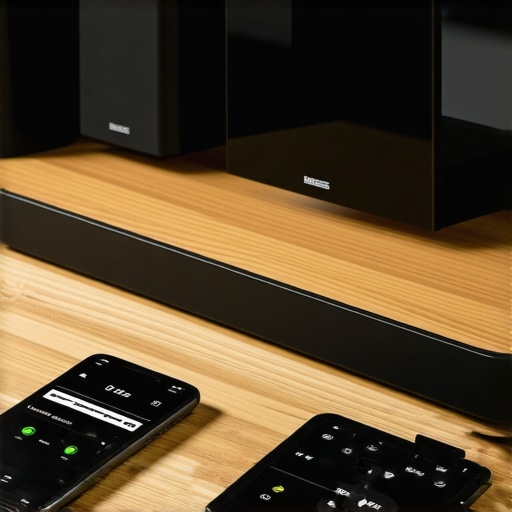
I remember the frustration vividly. I had wired speakers everywhere, tangled cords snaking across my living room, and a remote that seemed to get lost more often than I could count. It was a constant battle to get my music playing seamlessly throughout the house. That was until I discovered the magic of wireless streaming devices. Suddenly, my home transformed into a true sound sanctuary, and all those tangled wires became a distant memory.
Why Wireless Streaming Devices Are a Game Changer for Your Home Audio
Today, I want to share how these little gadgets can revolutionize your listening experience. Wireless streaming devices are not just a luxury—they’re a practical solution to the chaos of traditional wired setups. They give you the freedom to play music, podcasts, or even TV audio in any room, without the fuss of cables. Plus, with advancements in Wi-Fi technology, the sound quality now rivals wired connections, making it a win-win for audiophiles and casual listeners alike.
Ever Wondered If Wireless Is Really Worth It?
When I first started exploring wireless options, I was skeptical. I worried about lag, connection drops, and whether the audio quality would suffer. I made the mistake of rushing into a cheap setup, only to be disappointed. But as I dug deeper, I realized that choosing the right devices and understanding how to set them up properly makes all the difference. Today, I’ll guide you through the top wireless streaming devices and how to integrate them into your home effortlessly. If you’re tired of the wire clutter and want a sleek, flexible audio system, stick around. You might just find the upgrade you’ve been dreaming of. For more insights, check out why wireless streaming is revolutionizing home entertainment.
Pick the Right Wireless Speakers for Your Space
Start by assessing the size and layout of your rooms. Think of your wireless speakers as the foundation of a new musical landscape—selecting the right size and type ensures immersive sound without clutter. I once tried to outfit my living room with tiny speakers, expecting full sound, but the bass was thin and lackluster. Later, I switched to larger, high-quality Wi-Fi speakers, which transformed the experience entirely. For detailed guidance, check out best Wi-Fi speakers for seamless multiroom setup.
Set Up Your Network for Flawless Streaming
Your wireless devices rely on a strong, stable Wi-Fi connection—think of it as the highway delivering your music. Use a mesh Wi-Fi system if your home is large or has dead zones; this ensures every speaker gets a clear signal. I once experienced constant dropouts in my upstairs bedroom until I upgraded my router and added a mesh system, which immediately improved my streaming reliability. For optimal placement tips, visit tips for integrating Wi-Fi speakers.
Configure Your Devices for Multiroom Harmony
Most wireless speakers are compatible with a central app or platform—think of this as the conductor directing an orchestra. Download the manufacturer’s app, connect each speaker to your Wi-Fi, and group them into zones. I vividly remember struggling with different apps initially, but once I unified my setup through a dedicated app, controlling my whole home audio became effortless. For a comprehensive setup process, explore how to set up multiroom Wi-Fi speakers.
Prioritize Audio Quality and Latency
Choose devices that support the latest Wi-Fi standards—like Wi-Fi 6—for reduced latency and improved sound clarity. I once bought cheaper speakers that lagged behind my video, creating a frustrating echo effect. Upgrading to high-quality, compatible Wi-Fi speakers eliminated lag and made my listening experience seamless. For device recommendations, see best wireless streaming devices for 2024.
Optimize Placement for the Best Sound
Position your speakers carefully—avoid placing them too close to walls or corners, which can muddle sound. Use stands or mounts to elevate speakers for balanced acoustics. I learned this the hard way when a poorly placed speaker muddled my soundstage; repositioning it made my music come alive. For placement tips, visit best Wi-Fi speakers for whole home audio.
Integrate Voice Control and Automation
If your system supports voice assistants like Alexa or Google Home, integrate them for hands-free control. This was a game-changer for me—simply saying, “Play jazz in the living room,” instantly filled the space with music. Setting this up involved linking my speakers to my smart home platform; detailed instructions are available at ultimate guide to wireless streaming.
Regular Maintenance and Firmware Updates
Keep your devices updated to ensure compatibility and performance. I once neglected updates, and my speakers started disconnecting randomly. Regular updates fixed the issues and added new features. Most manufacturers provide automatic updates through their app, so enable this feature. For troubleshooting tips, see secrets to seamless wireless streaming.
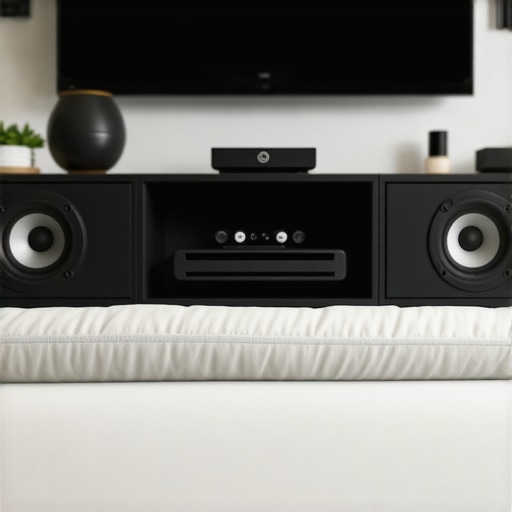
While wireless streaming devices have revolutionized home audio, many enthusiasts fall into traps that hinder their experience. Let’s dig deeper into what most people get wrong and how to navigate these pitfalls for optimal sound quality and seamless connectivity.
Are You Falling for the Myths About Wireless Audio Quality?
One of the biggest misconceptions is that wireless always means inferior sound. In reality, modern Wi-Fi standards like Wi-Fi 6 and advanced codecs such as aptX HD or LDAC enable high-fidelity audio that rivals wired connections. The key is choosing devices that support these standards and ensuring your network can handle the bandwidth. A common mistake is sticking with outdated or low-quality speakers, which can cause lag, dropouts, or poor audio clarity. For instance, investing in reputable brands and checking compatibility with your network can make a significant difference. For more insights, check out why wireless streaming is revolutionizing home entertainment.
Beware of the Overlooked Network Setup
Many assume their existing Wi-Fi network is enough, but in reality, a subpar setup can sabotage your streaming quality. Dead zones, interference, and bandwidth congestion are common culprits. A surprisingly frequent mistake is ignoring the importance of a dedicated network or mesh system. Using a robust mesh Wi-Fi setup ensures that each speaker receives a stable signal, reducing latency and dropouts. Additionally, placing your router centrally and away from interference sources like microwaves or thick walls can improve performance. For detailed tips, visit tips for integrating Wi-Fi speakers.
How to Perfectly Synchronize Multiple Speakers
Synchronization issues are common when multiple devices aren’t properly configured. Some users believe that simply grouping speakers in an app guarantees perfect sync, but this isn’t always the case. Latency differences between speakers, especially when mixing brands or models, can cause noticeable delays. To avoid this, use speakers that support the same protocols and firmware updates that optimize sync. Regularly updating your devices and using a dedicated app from the manufacturer can help maintain harmony. For a detailed process, explore creating the perfect multiroom audio system.
Have you ever fallen into this trap? Let me know in the comments. Remember, understanding these nuances can elevate your wireless home audio from good to exceptional. Stay vigilant about your network setup, device choices, and firmware updates to truly unlock the potential of wireless streaming. For more detailed strategies, explore how to unlock your whole home audio experience.
How do I maintain my wireless home audio system over time?
One of the most overlooked aspects of a reliable wireless home audio setup is ongoing maintenance. Just like any technology, these systems benefit from regular checks and updates to stay at peak performance. I personally set a recurring reminder every three months to update the firmware of my Wi-Fi speakers and streaming devices. This routine ensures I get the latest features and bug fixes, which are often crucial for maintaining seamless connectivity. Additionally, I periodically clear cache and reset network settings on my router to prevent congestion and interference, especially when I notice any lag or dropouts. For those looking to streamline this process, I recommend investing in a mesh Wi-Fi system, such as Google Nest Wifi or Eero, which automatically manages network health and simplifies device management. Regularly inspecting speaker placement, cleaning dust from vents, and ensuring the power supplies are stable also extend the lifespan of your hardware. As technology evolves, integration with smart home platforms will become even more critical; keep your devices compatible and updated to avoid future compatibility issues. In the future, I believe wireless streaming technology will become more adaptive, automatically optimizing settings based on your environment, much like how smart thermostats learn your heating patterns. To stay ahead, subscribe to updates from the manufacturer and read their latest best practices on mastering home audio secrets. Lastly, consider scheduling periodic network audits or consulting with a professional to fine-tune your setup for maximum efficiency. This proactive approach will ensure your system remains reliable and your listening experience uninterrupted for years to come. Don’t forget to try enabling automatic firmware updates on your devices—this small step can save you hours of troubleshooting and keep your system running smoothly without manual intervention.
The Hardest Lesson I Learned About Wireless Audio
One of the most surprising insights I gained was that choosing cheaper, low-quality wireless speakers often leads to frustration, not convenience. It taught me that investing in reputable brands with support for the latest standards makes all the difference in sound quality and reliability.
Another lesson was realizing how much a robust Wi-Fi network impacts your streaming experience. Overcoming dead zones with mesh systems transformed my setup from a constant headache to a seamless musical experience. It’s not just about the speakers but the entire network environment they operate in.
Finally, I discovered that regular firmware updates are vital. Many users overlook this, but keeping your devices updated ensures compatibility, fixes bugs, and unlocks new features that enhance your home audio system’s performance.
My Essential Toolkit for Wireless Home Audio
- Mesh Wi-Fi systems like Google Nest Wifi or Eero—trustworthy for stable connections across large spaces.
- High-quality Wi-Fi speakers supporting Wi-Fi 6 and advanced codecs such as aptX HD or LDAC—these deliver studio-like sound without wires.
- Dedicated apps provided by manufacturers—simplify multiroom configuration and control, making setup intuitive and hassle-free.
- Firmware update management—automatic updates ensure your devices perform at their best and stay compatible with evolving standards.
Let Your Home Audio Inspire Change
Embracing wireless streaming devices has been a turning point in my home entertainment journey. It’s more than just convenience—it’s about creating a space where music flows effortlessly and beautifully. Take the leap, explore the latest tech, and watch your home come alive with sound. Are you ready to upgrade your wireless home audio system and experience the freedom of seamless, high-quality sound? Share your thoughts below and join the conversation—your next great listening experience awaits!

![Stop Sync Drift: 4 Matter 3.0 Multiroom Audio Hacks [2026]](https://homeaudio.premiumsounddeals.com/wp-content/uploads/2026/03/Stop-Sync-Drift-4-Matter-3.0-Multiroom-Audio-Hacks-2026.jpeg)
![5 Portable Wi-Fi 8 Speakers with 50-Hour Battery [2026 Picks]](https://homeaudio.premiumsounddeals.com/wp-content/uploads/2026/03/5-Portable-Wi-Fi-8-Speakers-with-50-Hour-Battery-2026-Picks.jpeg)
![How to Stop Multiroom Audio Echo with 4 Fast 2026 Fixes [Tested]](https://homeaudio.premiumsounddeals.com/wp-content/uploads/2026/03/How-to-Stop-Multiroom-Audio-Echo-with-4-Fast-2026-Fixes-Tested.jpeg)


Leave a Reply