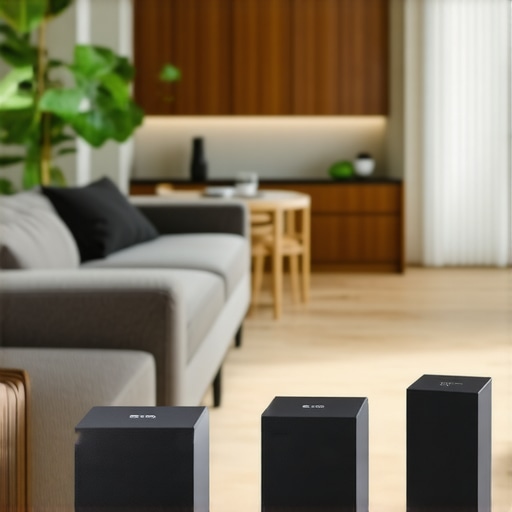
I remember the exact moment I realized my home was turning into a chaotic mess of tangled wires, disconnected speakers, and frustrating app crashes. It was late at night, and I just wanted to relax with some music filling every corner of my house. Instead, I was battling with laggy connections and inconsistent playback. That lightbulb moment made me dive deep into the world of wireless streaming devices, and let me tell you — the difference they make is like night and day.
Why Whole Home Audio Matters More Than Ever
In 2024, more of us are seeking a home environment where music, podcasts, and even movies flow effortlessly from room to room. It’s about creating a vibe, a seamless experience that adapts to our lifestyle. But here’s the catch — not all wireless solutions are created equal. I’ve made my fair share of mistakes early on, like choosing devices that didn’t play well together or couldn’t handle multiple streams without dropping out. Trust me, I’ve learned the hard way that investing in the right technology can transform your space from noisy chaos to harmonious bliss.
Is Wireless Streaming Technology Truly Reliable?
This is the big question I hear all the time. For years, I was skeptical about whether wireless could really deliver consistent, high-quality sound without the dreaded drops or lag. My initial mistake? Assuming all devices were compatible out of the box. Turns out, compatibility issues and network interference can sabotage your whole setup if you’re not careful. Today, I’ll share how to avoid these pitfalls and what to look for in 2024’s best wireless streaming devices for whole home audio. Want to make your home sound like a concert hall? Keep reading.
To get started, it’s helpful to understand the fundamentals of multiroom audio. I recommend checking out this comprehensive blueprint to ensure you’re setting a solid foundation. Ready to upgrade your home soundscape? Let’s dive into the options that will make your audio experience truly seamless in 2024.
Assess Your Home Network and Space
Before diving into device selection, evaluate your current Wi-Fi setup and the layout of your home. Think of your network as the highway; if it’s congested or poorly maintained, even the best devices will struggle. Use a Wi-Fi analyzer app to identify dead zones and interference sources. This helps you decide whether you need network upgrades like a mesh system or additional access points. I once ignored this step and bought several high-end speakers; they kept dropping out because my router was overwhelmed. Fixing my network improved everything instantly.
Select Compatible Wireless Devices
Prioritize Wi-Fi Mesh Systems
Mesh Wi-Fi systems act like a super-efficient postal service, ensuring your signals reach every room without delays. Devices like Google Nest Wifi or Netgear Orbi are excellent choices for 2024. They integrate seamlessly with multiple speakers and provide a stable backbone. When I upgraded my router to a mesh system, my existing speakers performed flawlessly across the entire house, even during multiple streams.
Choose Multiroom Wi-Fi Speakers
Opt for speakers that support the latest Wi-Fi standards (at least Wi-Fi 5 or Wi-Fi 6). Brands like Sonos, Bose, and Yamaha have models tailored for multiroom setups. These devices are designed to sync effortlessly and deliver high-quality sound. I installed Sonos Ones in my living and bedrooms, which instantly created a cohesive audio environment. The key is selecting speakers that are compatible with your network infrastructure.
Establish a Robust Network Infrastructure
Think of your network as the plumbing that carries water to your fixtures. Use a wired connection for your router or mesh nodes whenever possible to ensure maximum bandwidth. Keep your network clear of unnecessary devices that could cause interference. I dedicated a gigabit Ethernet port to my main router and placed mesh nodes strategically around the house, dramatically reducing lag and dropouts. This setup guarantees your wireless speakers get a steady stream of data, akin to a highway with no traffic jams.
Configure Your Devices for Flawless Playback
Once hardware is set, fine-tune your setup through the manufacturer’s app or control panel. Assign each speaker to a specific zone or group, like assigning seats at a dinner table, to control where the music plays. Use the app to run firmware updates—outdated software can cause compatibility issues. I once left my speakers unupdated, and they refused to sync until I manually upgraded the firmware. Regular maintenance keeps everything running smoothly.
Test and Optimize Your System
Play music on different zones to check for lag, dropouts, or sound inconsistencies. Analogies help here: think of this as a test drive for your new setup. If you notice issues, reposition devices or add extenders. For example, I moved a speaker closer to the mesh node and experienced a significant boost in stability. Keep adjusting until the entire house is filled with seamless sound, like a well-oiled concert hall.
For more detailed guidance, explore this comprehensive setup tutorial. Remember, the key is a reliable network paired with compatible, high-quality devices. When everything aligns, you’ll enjoy a rich, immersive audio experience across your entire home in 2024 and beyond.
Many enthusiasts jump into setting up a wireless whole home audio system with a lot of assumptions that can lead to frustration. Let’s challenge some of the most persistent myths and uncover the hidden nuances that separate a good setup from a great one. If you’ve ever experienced lag, dropouts, or inconsistent sound quality, understanding these details might just save your next upgrade.
Why most people overestimate wireless reliability
The widespread belief that wireless technology is inherently unreliable is a misconception rooted in early experiences or outdated information. While it’s true that initial Wi-Fi standards had limitations, today’s advancements—like Wi-Fi 6 and mesh systems—offer rock-solid stability. However, many users make the mistake of ignoring network conditions or failing to properly configure their systems. For example, placing a speaker far from your mesh node or router can cause interruptions, despite the hardware’s capabilities. The key is not just having high-quality devices but also optimizing your network infrastructure. For more insights, check out this article on wireless streaming advancements.
Beware the compatibility trap
One of the biggest pitfalls is assuming that all wireless speakers and devices will work seamlessly together. Compatibility isn’t just about supported standards; it involves how well devices communicate within your specific network environment. Many users overlook firmware updates or assume that brand A’s speakers will automatically sync with brand B’s app. The truth is, cross-brand compatibility often requires meticulous setup and firmware management. My advice? Stick to a curated ecosystem or thoroughly research multi-brand compatibility before purchasing. This prevents the common frustration of devices falling out of sync or refusing to connect, which can be a real pain. For detailed guidance, explore this setup tutorial.
What advanced users should consider for optimal performance
While basic setup can get you started, true audiophiles and tech-savvy users should pay attention to nuanced factors like network segmentation, bandwidth allocation, and quality of service (QoS) settings. These settings prioritize audio streams, reducing latency and preventing dropouts during peak network usage. Additionally, wired backbones for your mesh nodes or routers ensure the data pipeline remains unclogged. Overlooking these advanced configurations is a common mistake that can undermine even the most expensive hardware. According to this expert guide, optimizing your network’s architecture is essential for a flawless wireless multiroom experience. Have you ever fallen into this trap? Let me know in the comments.
How do I maintain my home audio setup over time?
Keeping your wireless home audio system running smoothly requires a combination of regular software updates, strategic hardware placement, and thoughtful troubleshooting. I personally make it a habit to check for firmware updates at least once a month, as manufacturers often release patches that improve stability and add new features. For example, I use the Mastering Home Audio Secrets guide to stay informed on best practices. Additionally, I keep my network equipment, such as routers and mesh nodes, positioned optimally to prevent dead zones and interference. Regularly rebooting your devices and inspecting cables or power sources can also prevent unexpected failures and prolong your system’s lifespan.
Investing in reliable tools and software enhances long-term performance. I recommend using network monitoring tools like NetSpot or PingPlotter to identify bottlenecks or instability in your Wi-Fi. These tools provide detailed insights into your network’s health, enabling you to make informed adjustments—like creating dedicated bandwidth for streaming or switching to wired backbones for critical nodes. For instance, I dedicated a gigabit Ethernet port to my main router, which drastically reduced latency and improved streaming quality across all devices.
Looking ahead, the trend points toward smarter, more self-healing networks that automatically adjust to interference or device failures. Technologies like Wi-Fi 6E and mesh systems with AI-driven optimization are set to make wireless multiroom audio even more resilient and effortless to maintain. To stay ahead, I suggest exploring smarter wireless solutions that adapt to your home environment.
Take Action: Implement a Maintenance Routine Today
Start by scheduling monthly firmware checks for your devices and running network diagnostics. Use tools like NetSpot to scan for interference and optimize your Wi-Fi layout, ensuring every speaker receives a strong, stable signal. By doing this, you’ll prevent many common issues before they affect playback. Remember, a well-maintained system not only preserves your investment but also guarantees that your home remains a sanctuary of seamless sound. Ready to elevate your system’s reliability? Apply these tips now and enjoy uninterrupted audio bliss for years to come!
Lessons That Transformed My Wireless Sound Journey
- Mesh systems are game-changers: I once thought a single router was enough, but upgrading to a mesh Wi-Fi system revolutionized my whole home audio experience, eliminating dead zones and dropouts. It’s like upgrading from a dirt road to a superhighway for your data.
- Compatibility is king: I learned that not all speakers play nicely together. Sticking to a curated ecosystem saved me hours of frustration and ensured seamless syncing across rooms. Doing thorough research before buying is a must.
- Network optimization matters: Even the best hardware can fail if your network isn’t optimized. Prioritizing bandwidth, creating dedicated channels for streaming, and wiring key nodes made my setup stable and reliable.
- Firmware updates are crucial: Regularly updating my devices’ firmware prevented many issues and unlocked new features. It’s easy to overlook, but it makes a big difference.
- Patience and testing are essential: Testing different speaker placements and configurations helped me achieve the perfect balance. Think of it as tuning an instrument—small adjustments lead to harmony.
Tools That Made a Difference
- Google Nest Wifi: Simple, reliable, and easy to set up, it provided a solid backbone for my wireless audio system.
- Sonos App: Intuitive and robust, it kept my multiroom setup synchronized and allowed easy control from anywhere.
- NetSpot: This Wi-Fi analyzer helped me identify dead zones and interference sources, guiding my network improvements.
- Firmware update guides: Following manufacturer instructions for updates kept my devices running smoothly and securely.
Embrace the Future of Home Audio Today
Don’t let old assumptions hold you back from creating a seamless wireless sound environment. The innovations in 2024 make it easier than ever to enjoy rich, immersive audio in every corner of your home. Take action now—upgrade your network, choose compatible devices, and start testing your setup. Your perfect soundscape is within reach, and it’s worth every effort. What’s the first step you’ll take to improve your wireless home audio? Share your plans below and let’s build better sound together!


![Stop Sync Drift: 4 Matter 3.0 Multiroom Audio Hacks [2026]](https://homeaudio.premiumsounddeals.com/wp-content/uploads/2026/03/Stop-Sync-Drift-4-Matter-3.0-Multiroom-Audio-Hacks-2026.jpeg)
![5 Portable Wi-Fi 8 Speakers with 50-Hour Battery [2026 Picks]](https://homeaudio.premiumsounddeals.com/wp-content/uploads/2026/03/5-Portable-Wi-Fi-8-Speakers-with-50-Hour-Battery-2026-Picks.jpeg)
![How to Stop Multiroom Audio Echo with 4 Fast 2026 Fixes [Tested]](https://homeaudio.premiumsounddeals.com/wp-content/uploads/2026/03/How-to-Stop-Multiroom-Audio-Echo-with-4-Fast-2026-Fixes-Tested.jpeg)


Leave a Reply