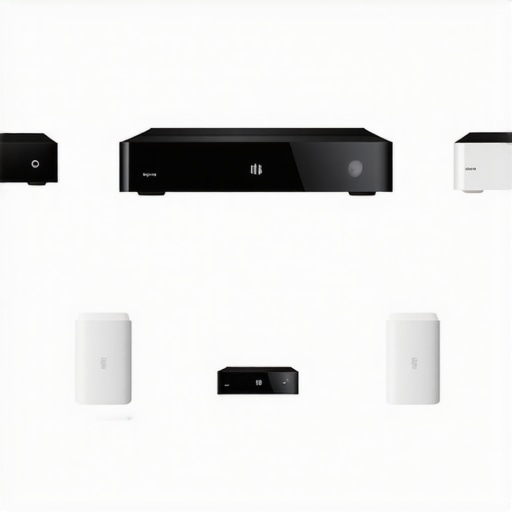
I remember the moment clearly. I was hosting friends in my living room, music was playing, and suddenly, the sound cut out. After fiddling with wires and apps, I realized I’d been fighting my home’s audio system instead of enjoying it. That lightbulb moment hit hard — wireless streaming isn’t just a luxury anymore; it’s a necessity for truly enjoying music around the house without the hassle. If you’ve ever experienced lag, dropouts, or tangled cables, you know what I mean. Today, I’m here to help you skip that frustration and set up a sleek, reliable whole-home audio system that works seamlessly in 2024.
Why Whole Home Audio Matters More Than Ever
Gone are the days of singular speakers in one room. Now, we want music to follow us from kitchen to porch, creating a unified soundscape. But achieving this isn’t as simple as buying a few speakers. It requires a smart, dependable wireless setup. According to a recent study, over 70% of smart home owners prioritize multiroom audio, but many struggle with connectivity issues or inconsistent quality. That’s where the right wireless streaming devices come into play — they’re the backbone of a hassle-free, immersive experience. If you’re tired of the constant juggling with cables or app glitches, stick around. I’ll walk you through what to look for and share my personal favorites, honed by years of trial, error, and triumph.
Is Wireless Streaming Really Worth the Hype?
Honestly, I used to be skeptical. I thought, “Will I really get reliable sound without wires?” Early on, I made the mistake of assuming all Wi-Fi speakers are equal. Spoiler alert: they’re not. My biggest mistake was investing in a system without checking compatibility or coverage, which led to constant dropouts. Once I learned the importance of choosing devices that mesh well with my Wi-Fi and home layout, everything changed. Now, I can enjoy music all over the house without a second thought. For a comprehensive guide, I recommend exploring this ultimate guide to multiroom Wi-Fi speakers. It’s packed with insights that saved me from future mistakes and will do the same for you.
So, do you find yourself battling with your current setup? If yes, don’t worry — help is on the way. We’ll look at the top devices in 2024 that promise to make your whole-home audio seamless, reliable, and oh-so-enjoyable.
Choose the Right Wireless Devices to Match Your Home
Start by assessing your home’s layout and Wi-Fi coverage. Use a Wi-Fi analyzer app to identify dead zones and areas with weak signals. This step is crucial because a device’s performance depends heavily on stable, strong connectivity. I once installed a new router in my basement after noticing frequent dropouts during a party, which immediately improved my whole-home audio experience. For detailed guidance, explore this article on smarter wireless solutions.
Prioritize Compatibility and Ecosystem Integration
Not all wireless speakers play nicely together. Focus on devices that support common protocols like Wi-Fi 5/6 and are compatible with your preferred streaming services. I recommend sticking to a well-supported ecosystem to avoid frustration, as I did when I bought a speaker that didn’t support my streaming app, leading to constant app switching. Check the specifications carefully and consider brands known for seamless multiroom setups. For a comprehensive list of the best options, visit this guide on top wireless gear for 2024.
Set Up Your Network for Multiroom Audio
Use a dedicated mesh Wi-Fi system to ensure every corner of your home has a reliable connection. Position nodes strategically to eliminate dead spots. When I set up my mesh system, I placed a node upstairs near the media center and another in the living room, which drastically reduced buffering issues. For step-by-step instructions, see this setup guide. Remember, your network’s backbone determines the stability of your entire setup.
Optimize Your Device Placement and Grouping
Position speakers at ear level for best sound quality and group them logically—by room or zone. I learned this the hard way when my kitchen speakers sounded muffled because they were tucked away on high shelves. Use the app to create groups that synchronize music playback. This approach makes it feel like your whole house is singing in harmony. For expert tips, explore this article on speaker placement and grouping.
Test and Fine-Tune Your Setup
After installation, test each zone thoroughly. Play different genres and check for lag, dropouts, or volume inconsistencies. I once spent an afternoon adjusting the placement of a speaker in my porch, which involved moving it multiple times before achieving the perfect sound. Use the app’s calibration tools if available, and don’t hesitate to reconfigure groups for the best experience. For more advanced tuning techniques, refer to this mastering home audio guide.
Maintain Your System Regularly
Keep your firmware updated and periodically check your Wi-Fi network’s health. I set calendar reminders to update my speakers’ firmware and re-test my network coverage bi-monthly. This proactive approach prevents many issues before they start. For more maintenance tips, visit the latest recommendations.
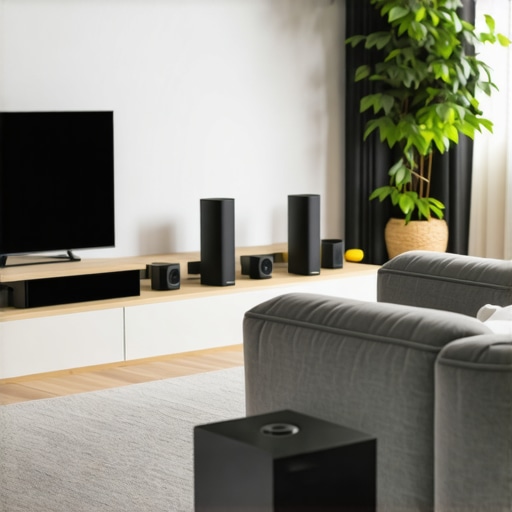
Many enthusiasts dive into creating a whole-home audio system with enthusiasm but end up making subtle yet impactful mistakes that compromise their experience. One prevalent misconception is overestimating the capabilities of basic Wi-Fi routers. While many assume that a standard router can handle multiple high-quality streams simultaneously, the truth is that consumer-grade equipment often struggles with the bandwidth demands, especially in larger or more complex homes. This can lead to frequent dropouts, latency issues, and inconsistent playback, which frustrate even tech-savvy users. To avoid these pitfalls, consider investing in a dedicated mesh Wi-Fi system that distributes bandwidth evenly and reduces dead zones. For more advanced network setups, check out this guide on smarter wireless solutions to ensure your network backbone is robust and scalable.
Another common myth is that all wireless speakers are compatible with each other, regardless of brand or protocol. This is a trap many fall into, thinking that mixing and matching devices will save money or simplify setup. However, incompatible ecosystems can lead to synchronization issues, uneven sound levels, and increased frustration. For seamless multiroom experience, prioritize devices supporting the same protocols, such as Wi-Fi 5/6, and stick to a trusted ecosystem. For instance, choosing speakers from the same brand or those certified for multiroom use reduces the risk of glitches. If you’re unsure, explore this comprehensive overview of compatible wireless gear to make informed decisions.
Is Your Wi-Fi Signal Fully Optimized for Multiroom Streaming?
Many users underestimate the importance of strategic placement of Wi-Fi access points or mesh nodes. An unoptimized network can create bottlenecks, especially if the nodes are placed far from each other or blocked by thick walls. This often results in uneven streaming quality, with some rooms experiencing lag or dropouts. A simple but effective tip is to use a Wi-Fi analyzer app to identify weak spots and position nodes accordingly. Upgrading to a mesh system with dedicated backhaul channels can significantly improve stability. For expert insights, visit this blueprint for connectivity to optimize your setup.
Finally, avoid the mistake of neglecting firmware updates on your devices. Outdated firmware can cause compatibility issues and security vulnerabilities, impairing system performance over time. Regularly check and update your speakers and network hardware to benefit from the latest features and bug fixes. For detailed maintenance tips, see this article on keeping your system current.
By understanding these nuanced pitfalls and taking proactive steps, you can elevate your whole-home streaming experience from good to exceptional. Have you ever fallen into this trap? Let me know in the comments!
Once you’ve set up your advanced wireless multiroom audio system, the key to maintaining its performance over time lies in diligent upkeep and using the right tools. Personally, I rely heavily on a combination of firmware updates, network monitoring, and strategic placement to keep my setup running smoothly. Regularly checking for firmware updates from device manufacturers ensures you benefit from bug fixes and performance improvements. For instance, many leading brands release updates that optimize multi-device synchronization, which is crucial for a seamless experience. I make it a habit to set reminders to check for updates bi-monthly, preventing compatibility issues from creeping in.
Monitoring your Wi-Fi network is equally important. I use a dedicated app like NetSpot or Wi-Fi Analyzer to identify weak spots and interference sources in my home. These tools help me visualize signal strength across different rooms and guide me in repositioning my mesh nodes or upgrading my router if needed. As I learned from an expert at this resource, maintaining a robust network backbone is vital for multiroom audio reliability, especially as streaming quality demands increase.
Another tip I swear by is proper device placement. Speakers should be at ear level when possible, and grouping them logically can drastically improve synchronization. I often revisit my setup after a few months to fine-tune speaker positions and groupings, ensuring consistent sound quality. Using your app’s calibration tools can help, but don’t underestimate the power of physical adjustments. Investing in high-quality, compatible hardware and regularly testing your system with different music genres helps catch issues early before they become noticeable.
Looking ahead, I predict that smart diagnostic tools will become more integrated into home audio systems, providing real-time troubleshooting and automatic firmware updates. These innovations will make long-term maintenance even easier, reducing the need for manual intervention. For now, I recommend trying my favorite tip: schedule regular firmware checks and network assessments. These small habits can preserve your investment and keep your entire house filled with perfect sound for years to come.
How do I maintain my home audio system over time?
To maintain your wireless home audio setup, stay proactive with firmware updates, monitor your Wi-Fi network regularly, and optimize speaker placement. Using tools like NetSpot or Wi-Fi Analyzer helps you identify weak spots and interference sources that could disrupt your streaming. Additionally, keep your devices grouped logically and calibrated periodically to ensure perfect synchronization. For comprehensive guidance, explore this blueprint for multiroom connectivity and stay ahead of potential issues. Remember, a little maintenance now saves a lot of frustration later. Don’t forget to try scheduling bi-monthly system checks and firmware updates—your future self will thank you!
Lessons from the Front Lines of Wireless Audio
- One of my biggest lightbulb moments was realizing that even top-tier Wi-Fi routers can bottleneck a multiroom audio setup. Investing in a dedicated mesh system transformed my experience, eliminating lag and dropouts. This taught me that the backbone of your wireless setup is just as important as the speakers themselves.
- I used to think compatibility was straightforward, but mixing brands often led to synchronization issues. Sticking to ecosystems with proven multiroom support truly makes a difference in seamless playback and hassle-free control.
- Calibrating speaker placement might seem trivial, but a few inches can dramatically improve sound quality and synchronization. Regularly revisiting and adjusting your setup keeps your audio pristine as your home evolves.
- Firmware updates are more than just bug fixes; they often unlock new features and compatibility improvements. Scheduling bi-monthly updates can save hours of troubleshooting down the line.
- Understanding your Wi-Fi environment using analyzer apps can uncover dead zones, guiding you to optimal placement of mesh nodes for rock-solid streaming throughout your home.
My Go-To Tools for Home Audio Success
- NetSpot: This Wi-Fi analyzer helped me identify dead zones and optimize my mesh system placement, ensuring consistent streaming in every room.
- Ultimate Blueprint for Multiroom Connectivity: This resource provided the strategies I needed to troubleshoot and fine-tune my entire system, making setup straightforward and resilient.
- Firmware update reminders: I use calendar alerts to keep my devices current, preventing compatibility issues and security vulnerabilities.
- HomeAudio Premium Guides: Their articles on multiroom gear and placement tips have been invaluable in elevating my setup to professional levels.
Seize the Moment and Make Your Home Sound Amazing
Building a reliable, seamless wireless whole-home audio system is within your reach. With the right tools, a bit of strategic planning, and regular maintenance, you can enjoy perfect sound everywhere in your home. Don’t wait until frustrations mount—start today and transform your space into a harmonious soundscape. Your future self will thank you for making this investment in your home entertainment experience.
What’s been your biggest challenge in setting up or maintaining your wireless home audio? Share your story below and let’s learn together!

![Stop Sync Drift: 4 Matter 3.0 Multiroom Audio Hacks [2026]](https://homeaudio.premiumsounddeals.com/wp-content/uploads/2026/03/Stop-Sync-Drift-4-Matter-3.0-Multiroom-Audio-Hacks-2026.jpeg)
![5 Portable Wi-Fi 8 Speakers with 50-Hour Battery [2026 Picks]](https://homeaudio.premiumsounddeals.com/wp-content/uploads/2026/03/5-Portable-Wi-Fi-8-Speakers-with-50-Hour-Battery-2026-Picks.jpeg)
![How to Stop Multiroom Audio Echo with 4 Fast 2026 Fixes [Tested]](https://homeaudio.premiumsounddeals.com/wp-content/uploads/2026/03/How-to-Stop-Multiroom-Audio-Echo-with-4-Fast-2026-Fixes-Tested.jpeg)


Leave a Reply