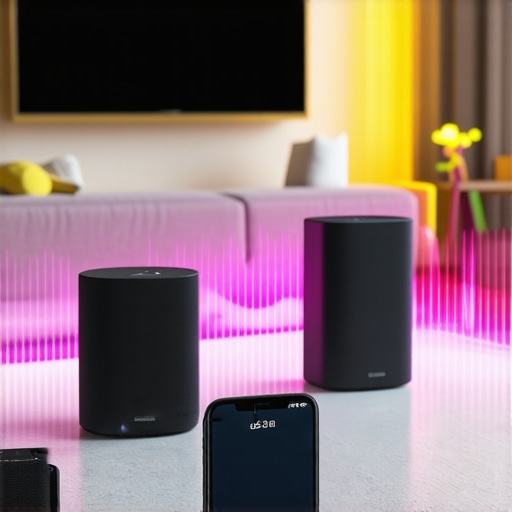
Ever set up a multiroom Wi-Fi speaker system only to find that your music cuts in and out, or worse, some rooms get left behind while others blast away? I’ve been there. One day, I was sprawled on my couch, trying to enjoy my favorite playlist, and suddenly, the sound was all over the place. That frustrating moment was a lightbulb for me — if you want true seamless home audio, the setup matters more than you think. And let’s be honest, it’s not just about buying the latest speakers; it’s about making them work together smoothly. Today, I’ll share what I’ve learned from my own experience, plus some insider tips on building a reliable, multiroom Wi-Fi system that actually works like magic.
Why Multiroom Wi-Fi Speakers Can Transform Your Home
There’s a reason why so many of us are shifting towards wireless, multiroom audio solutions. Imagine walking from room to room, your favorite song following you like a loyal companion. It’s not just about convenience; it’s about creating an immersive environment where music, podcasts, or even home assistants are accessible at every corner. But here’s the catch — without proper setup, all that potential can turn into a headache. I made the mistake early on of assuming my Wi-Fi was strong enough to handle multiple speakers. Spoiler alert: it wasn’t. That led to constant dropouts, sync issues, and a lot of frustration. Since then, I’ve discovered that a solid multiroom system isn’t just about decent Wi-Fi, but about intelligent placement, compatible hardware, and smart streaming tips. Want to unlock your whole-home audio experience? Check out this comprehensive guide that helped me get it right.
Is Multiroom Audio Worth the Hype
Many skeptics ask if these systems are really worth the investment. I get it — it sounds complex, and not everyone wants to fiddle with tech. My early mistake was thinking a few good speakers would magically sync. Turns out, the real magic is in the setup. When done right, the benefits are undeniable. You get uniform sound, easy control, and the ability to customize your music zone by zone. Plus, modern wireless solutions are more reliable than ever, especially with the right equipment. If you’re tired of inconsistent audio or tangled wires, you’re not alone. The good news is, with a bit of guidance, you can build a system that’s seamless, affordable, and a total game-changer. Curious? Let’s dive into the practical steps to make your home sound incredible.
Map Out Your Network for Success
Before diving into speaker placement, get your Wi-Fi in shape. Think of your home network as a highway system; the smoother the traffic flow, the better your multiroom audio will perform. Start by conducting a Wi-Fi speed test in different rooms to identify weak spots. Use a mesh Wi-Fi system or a Wi-Fi extender to eliminate dead zones, ensuring every corner of your house has a strong connection. I once tried to set up speakers in my basement and upstairs bedroom simultaneously, but the Wi-Fi was just too weak upstairs. Upgrading my router and adding a mesh system transformed the experience from choppy to flawless.
Choose Compatible Hardware Wisely
Think of your speakers as a band that needs to harmonize. Not all speakers play well together, especially if they use different streaming protocols. Stick to a single ecosystem—like Sonos, Bose, or Amazon Alexa—so your devices communicate seamlessly. When I picked a mix of brands, I faced constant sync issues. After switching to compatible speakers within the same ecosystem, my system became much more reliable. Check the compatibility list before you buy.
Strategic Placement Matters
Imagine trying to listen to a concert through a tin can—poor placement can drastically reduce sound quality. Place speakers at ear level and avoid obstacles like thick walls or large furniture that block signals. For example, I once placed a speaker behind a bookshelf, which muffled the sound and caused dropouts. Moving it to an open spot near the ceiling improved clarity and connection stability. Use the tips for integrating Wi-Fi speakers to optimize positioning.
Configure Your System Correctly
Think of setup like tuning an instrument—precision matters. Use the official app for your speakers to group them into zones. Assign each room a specific speaker or set of speakers, then test playback to ensure synchronization. I once skipped this step and ended up with one speaker playing slightly ahead of another, creating an echo effect. Carefully configuring each zone and running sync tests in the app helped me achieve perfect harmony. For detailed instructions, see the setup guide.
Stream Smarter, Not Harder
Use high-quality streaming sources and avoid network congestion. During my setup, I turned off bandwidth-heavy devices like game consoles to free up Wi-Fi. Opt for wired connections to your router if possible, or prioritize your audio traffic in your router settings. Additionally, choose streaming services that support high-definition audio to get the best sound quality. For expert tips, check out streaming tips for seamless multiroom audio.
Many DIY home audio enthusiasts believe that simply plugging in a few wireless speakers and syncing them up guarantees seamless sound. However, this common misconception overlooks the nuances that truly make or break a multiroom system. In my experience, one of the biggest pitfalls is assuming that all Wi-Fi networks are created equal. You might have a decent router, but if your network isn’t optimized for streaming multiple devices, you’ll encounter lag, dropouts, and sync issues even with high-end speakers. It’s vital to understand that network topology, bandwidth, and interference play crucial roles in system stability. For instance, a mesh Wi-Fi system can significantly improve coverage and reduce latency, as I discovered after upgrading my setup. For more insights on optimizing your network, check out how to enhance your home audio with smarter wireless solutions.
Why Do Some Speakers Still Struggle Despite Good Wi-Fi?
Many people assume that a strong Wi-Fi connection automatically ensures perfect audio sync. But the truth is, not all wireless speakers are equal in their handling of network traffic. Some cheaper models lack the firmware optimization needed for real-time synchronization across multiple units. Additionally, if your network experiences congestion—like streaming 4K content on other devices—your audio can suffer. Advanced systems use proprietary protocols or mesh networks to mitigate these issues, but many consumers overlook these details during purchase. Remember, compatibility and firmware updates matter more than just Wi-Fi signal strength. For a deep dive into hardware selection, see our guide on best multiroom Wi-Fi speakers for 2024.
Are You Falling Into the Sync Trap? Common Mistakes to Avoid
One of the most insidious errors is neglecting proper system configuration. Even with the best hardware, improper grouping or outdated firmware can cause one speaker to lag behind or lead to echo effects. Many users skip the step of running sync tests within the official app, thinking that the default setup is good enough. But in reality, fine-tuning the latency settings and assigning each speaker to the correct zone can dramatically improve performance. I’ve seen setups where a simple firmware update or reconfiguration eliminated persistent audio delays. To master this, I recommend following detailed setup guides, like how to set up multiroom Wi-Fi speakers. Have you ever fallen into this trap? Let me know in the comments.
Keeping your multiroom Wi-Fi speakers functioning flawlessly over time requires a combination of proper maintenance, strategic use of tools, and regular system checks. From firmware updates to network optimizations, staying proactive ensures your home audio remains smooth and reliable. One of the most effective ways to manage this is by leveraging dedicated network monitoring tools. I personally recommend using PingPlotter because it provides real-time insights into your network’s performance, pinpointing latency issues or packet loss that could disrupt your audio experience. Regularly running speed tests and analyzing network traffic helps identify congestion points early, allowing you to adjust settings or upgrade hardware before problems escalate.
Another crucial aspect is firmware management. Always keep your speakers and networking equipment up to date. Manufacturers often release updates that fix bugs, improve sync accuracy, and enhance compatibility. I schedule firmware checks monthly, which is easy to do through the device apps or manufacturer websites, ensuring my system benefits from the latest optimizations. Additionally, maintaining a clean network environment by minimizing interference from other wireless devices can significantly improve stability. Using a dual-band router to separate your home automation and streaming devices can reduce congestion, contributing to fewer dropouts and better sync across your speakers.
When it comes to long-term results, investing in a mesh Wi-Fi system has proven invaluable. As I upgraded to a mesh system, my multiroom setup became more resilient, especially in larger homes or those with challenging layouts. The mesh nodes provide consistent coverage, and many models allow for dedicated backhaul channels, reducing interference and latency. This results in a more synchronized, high-quality audio experience that requires less manual intervention over time.
How do I maintain my home audio system over time?
Maintaining your home audio system isn’t a set-it-and-forget-it task. Regularly check for firmware updates on your speakers and router—most manufacturers provide automatic notifications or easy manual checks within their apps. Keep an eye on your network’s performance using tools like smarter wireless solutions, which can help identify bottlenecks before they impact your listening. Periodically, reposition your speakers to optimize signal strength, especially after major furniture rearrangements or renovations. And don’t forget to perform occasional reset and reconfiguration routines to resolve any lingering sync issues. By combining these practices, you’ll ensure your multiroom audio system remains reliable and vibrant for years to come.
Looking ahead, the integration of AI-driven network management tools is poised to revolutionize long-term maintenance. These systems will automatically detect and resolve issues, optimize signal paths, and even predict failures before they happen, making multiroom Wi-Fi setup virtually maintenance-free. For now, however, a proactive approach with the right tools and regular checks will keep your home’s audio experience seamless and enjoyable. Ready to take your system to the next level? Try implementing a dedicated network monitoring tool today and enjoy uninterrupted sound across your home.
The Hardest Lesson I Learned About Multiroom Wi-Fi Audio Systems
One of my biggest mistakes was underestimating the importance of a robust network. I assumed that a decent router was enough, but I soon learned that proper placement, mesh coverage, and avoiding interference were crucial. It’s like trying to run a marathon in ill-fitting shoes — you won’t get very far without the right setup.
The Hidden Power of Compatibility and Firmware
At first, I thought mixing brands wouldn’t matter. Turns out, incompatible hardware or outdated firmware can cause sync issues that ruin the listening experience. Trust me, sticking to a single ecosystem and keeping your devices updated is the secret sauce for reliability.
Why Your Placement Can Make or Break Your Sound
I used to place speakers wherever was convenient, but I quickly realized that strategic positioning—like ear-level placement and avoiding obstacles—can drastically improve both sound quality and connection stability. It’s a simple tweak that pays big dividends.
The Value of Regular System Checks Over Time
Keeping your system healthy isn’t a one-and-done task. Regular firmware updates, network optimizations, and occasional repositioning of speakers keep everything running smoothly. Using tools like smarter wireless solutions can help spot issues before they become problems, saving you frustration and ensuring consistent sound.
What I Wish I Knew When I Started
- Network matters more than hardware: A powerful Wi-Fi system can transform your experience.
- Compatibility is key: Stick to one ecosystem for seamless syncing.
- Placement is everything: Optimize speaker locations for best performance.
- Stay proactive: Regular updates and checks are the best long-term strategy.

![Stop Sync Drift: 4 Matter 3.0 Multiroom Audio Hacks [2026]](https://homeaudio.premiumsounddeals.com/wp-content/uploads/2026/03/Stop-Sync-Drift-4-Matter-3.0-Multiroom-Audio-Hacks-2026.jpeg)
![5 Portable Wi-Fi 8 Speakers with 50-Hour Battery [2026 Picks]](https://homeaudio.premiumsounddeals.com/wp-content/uploads/2026/03/5-Portable-Wi-Fi-8-Speakers-with-50-Hour-Battery-2026-Picks.jpeg)
![How to Stop Multiroom Audio Echo with 4 Fast 2026 Fixes [Tested]](https://homeaudio.premiumsounddeals.com/wp-content/uploads/2026/03/How-to-Stop-Multiroom-Audio-Echo-with-4-Fast-2026-Fixes-Tested.jpeg)


Leave a Reply