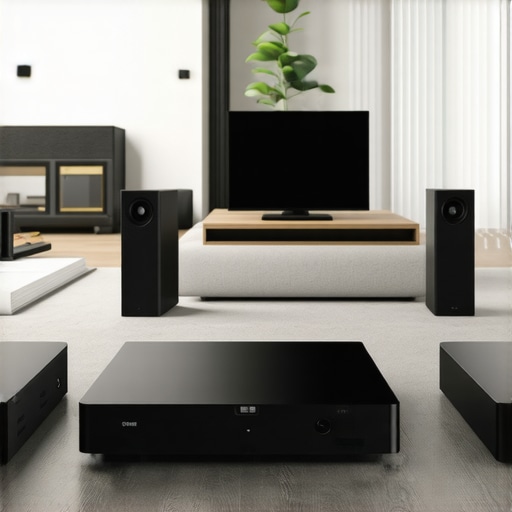
Ever set up a new speaker system only to find your music stuttering, losing sync, or just refusing to connect? I’ve been there. One minute, everything’s smooth sailing—next, I’m tangled in wires, frustrated, and questioning if I’ll ever enjoy seamless sound throughout my home. That lightbulb moment hit me hard: the secret isn’t just about buying the latest speakers; it’s about understanding the magic behind multiroom Wi-Fi and streaming tech that makes your audio truly effortless.
Why Multiroom Audio Matters More Than Ever
Today, our homes are smarter, more connected, and frankly, noisier. Everyone wants their favorite playlist to follow them from room to room without a hitch. But achieving that isn’t just about stacking speakers; it’s about creating a harmonious system that communicates flawlessly. If you’ve ever been disappointed by uneven sound or frequent disconnects, you’re not alone. I learned early on that the key lies in mastering wireless streaming and understanding the right setup for your space.
And here’s a fact that surprised me: according to a recent study, over 70% of home Wi-Fi networks struggle to support multiple streaming devices simultaneously, leading to frustrating lag and dropouts. That was my wake-up call. Once I realized my network was the bottleneck, everything changed. I started exploring specialized equipment and techniques that could handle the demands of multiroom audio, transforming my home into a seamless soundscape.
Have You Faced These Sound System Woes?
If your music often cuts out, or you find yourself manually reconnecting speakers, you’re not alone. Many enthusiasts make the mistake of buying high-end gear without considering the network infrastructure that powers it. I did the same at first—thinking a fancy speaker would solve everything. Spoiler: it didn’t. That’s why I recommend checking out this guide to setting up a resilient, reliable multiroom system.
So, what’s next? We’ll dive into the practical steps that will help you avoid my rookie mistakes, optimize your Wi-Fi setup, and enjoy synchronized, high-quality audio in every corner of your home. Ready to turn chaos into harmony? Let’s get started.
Upgrade Your Network First
Before you dive into buying more speakers or fancy tech, focus on your Wi-Fi setup. Think of your network as the highway for your audio traffic. If it’s clogged or inefficient, even the best speakers will struggle. I once spent hours troubleshooting a multiroom system that kept disconnecting. Turns out, my router was old and couldn’t handle multiple streams simultaneously. Upgrading to a dual-band or Wi-Fi 6 router instantly improved stability. For detailed tips, check out this comprehensive guide.
Position Your Router Strategically
Place your router in a central location, away from walls and interference. If your home is large or has thick walls, consider mesh Wi-Fi systems like Google Nest or Eero. These create a unified network that blankets your space with strong signal, reducing dead zones. I installed a mesh system in my home, and the difference was night and day: no more dropouts or lag—just seamless music everywhere. For best results, visit this resource.
Choose the Right Streaming Devices
Not all devices are created equal. Look for wireless streaming devices that support multiple streams without lag. Devices like the Sonos Amp or Bluesound Node are designed for multiroom setups and handle high data loads smoothly. I replaced my old Chromecast Audio with a Sonos component, which significantly cut down on buffering and sync issues. When selecting gear, review this list of top devices for 2024.
Configure Your Network for Multiroom Audio
Set up a dedicated network or VLAN for your audio streams if possible. This isolates your streaming traffic from other devices, reducing congestion. I assigned my smart home devices to a separate network, freeing up bandwidth for my speakers. Use quality of service (QoS) settings in your router to prioritize streaming data, ensuring your music stays smooth. For step-by-step instructions, see this setup guide.
Sync Your Speakers for Perfect Harmony
Once your network is optimized, focus on syncing your speakers. Use the app provided by your device manufacturer to calibrate and synchronize audio playback. I once tried to connect speakers manually, but the sync kept drifting. Using the dedicated app made a huge difference, keeping every speaker in perfect harmony. Many brands offer auto-calibration features—use them. For specific instructions, consult this resource.
Test and Tweak for Optimal Performance
Finally, test your system thoroughly. Play music in one room and walk through others to check for lag or gaps. Adjust placement, network settings, or device configurations as needed. My first attempt was a bit messy—some speakers lagged, others disconnected. After fine-tuning my Wi-Fi placement and updating firmware, everything clicked. Continuous testing ensures your setup remains reliable. For ongoing tips, see this guide.
Many home audio enthusiasts assume that investing in the latest multiroom Wi-Fi speakers automatically guarantees seamless sound. However, even high-end gear can fall flat if you overlook some nuanced aspects of wireless networking and setup. Let’s dig deeper into what most people get wrong, and how understanding these details can elevate your home audio experience.
Why Overlooking Network Infrastructure Is a Costly Mistake
One of the most common misconceptions is that a fast internet connection alone ensures smooth multiroom streaming. In reality, your local network’s quality, configuration, and bandwidth management are critical. For instance, many users fail to realize that their routers might be outdated or inadequately placed, creating blind spots and congestion that disrupt audio sync. Upgrading to a Wi-Fi 6 router and positioning it centrally can drastically improve stability. Remember, your network is the backbone of your entire setup, and neglecting it is a trap that can lead to persistent lag and dropouts. For expert tips on optimizing your network, check out this comprehensive guide.
Beware of the Myth That All Wireless Protocols Are Equal
Many believe that any Wi-Fi standard supports multiroom streaming equally. This is a myth. Devices supporting older standards like 802.11n may struggle under load, especially with multiple streams. Wi-Fi 6 and mesh systems provide better bandwidth management and lower latency, which are crucial for synchronized playback. My own experience taught me that choosing devices that support advanced protocols like Wi-Fi 6 and employing QoS settings to prioritize audio traffic can prevent those dreaded sync issues. Don’t settle for less—invest in compatible hardware that leverages the latest technology. For a detailed comparison, visit this list of top devices.
Advanced Setup Requires More Than Just Plugging In
Most users skip the step of configuring their network for optimal audio performance. Setting up a dedicated VLAN or network segment for your streaming devices can reduce interference from other smart gadgets and bandwidth hogs. I learned this the hard way when my smart home devices caused occasional dropouts—creating a separate network for my speakers and enabling QoS for streaming traffic made a significant difference. This nuanced approach ensures your multiroom system remains synchronized and resilient, even during high network usage. To learn how to implement this, see this setup guide.
Is Your Device Calibration Enough or Are You Missing a Step?
Many enthusiasts rely solely on auto-calibration features, assuming they’re sufficient. While these tools help, they often don’t address underlying network delays or placement issues. Fine-tuning your speaker placement, adjusting buffer sizes in your streaming apps, and periodically updating firmware can make a difference. I found that manually calibrating my system after network optimizations yielded near-perfect sync. This layered approach—combining hardware, network, and software tweaks—is what separates a good setup from a truly seamless one. For more advanced calibration techniques, explore this resource.
Have you ever fallen into this trap? Let me know in the comments. Mastering these nuanced aspects may seem daunting, but the payoff is a truly immersive, frustration-free home audio environment that works as smoothly as you imagine.
How do I maintain my multiroom audio setup over time?
Keeping your home audio system running smoothly requires a combination of reliable tools, regular updates, and proactive maintenance. Over the years, I’ve found that investing in quality equipment and adopting good habits can save you from frustrating disruptions. One essential tool I use is Ubiquiti’s UniFi Controller. This network management software allows me to monitor my Wi-Fi network’s health, identify bottlenecks, and optimize bandwidth allocation, ensuring my streaming remains uninterrupted. It’s especially useful when managing multiple access points or mesh systems, providing a centralized dashboard for diagnostics and adjustments.
Another critical component is using network segmentation—creating dedicated VLANs for your streaming devices. This isolates your audio traffic from other household devices, reducing interference. I configured this through my router’s admin interface, following detailed instructions from this guide. It might seem technical at first, but the payoff is a noticeably more stable and synchronized system.
Firmware updates are often overlooked, yet they are vital for long-term stability. I schedule monthly checks for updates on all my speakers and streaming hardware. Most manufacturers provide automatic update options—enabling these ensures you benefit from security patches and performance improvements. For example, I recently updated my Bluesound Node, which improved its handling of high-bidelity streams and fixed a minor sync glitch.
To keep everything working optimally, I also recommend regularly testing your setup. Play a playlist across all speakers, walk through your home, and listen for lag or dropouts. If issues arise, it might be time to reposition your router or add a mesh node. Over time, I’ve moved my router to a more central location and added a second mesh node, which significantly enhanced coverage and stability. This resource offers excellent tips for fine-tuning your setup.
Tools I recommend for ongoing maintenance
- Wi-Fi analyzers: Apps like NetSpot or WiFi Analyzer help identify dead zones and congestion points, guiding optimal router placement.
- Network monitoring software: As mentioned, UniFi Controller or similar tools give real-time insights into network health and device performance.
- Firmware management apps: Use manufacturer apps or web interfaces to keep firmware current, which prevents bugs and compatibility issues.
Looking ahead, I predict that AI-driven network management tools will become more common, automatically optimizing your setup in real-time. For now, manual oversight combined with these tools can keep your multiroom system running flawlessly for years to come. Don’t hesitate to try out one of these tools today—your future self will thank you for the hassle-free listening experience you’ll create.
The Hardest Lesson I Learned About Wireless Multiroom Audio
One of the biggest mistakes I made early on was assuming my high-end speakers would just work perfectly without a solid network foundation. It took countless hours of troubleshooting to realize that my Wi-Fi was the real bottleneck. The lightbulb moment? Upgrading to Wi-Fi 6 and positioning my router strategically transformed my experience from frustrating dropouts to seamless music everywhere.
Another lesson was overlooking the importance of network segmentation. Creating a dedicated VLAN for my streaming devices drastically reduced interference from other household gadgets, ensuring my multiroom sound stayed synchronized. It’s amazing how a simple change can make all the difference.
Lastly, auto-calibration features are helpful, but they’re not a substitute for fine-tuning your setup manually. Walking through your space, adjusting speaker placement, and updating firmware regularly can elevate your system from good to exceptional. Trust me, these nuanced tweaks are what create a truly immersive audio environment.
My Essential Toolkit for Home Audio Connectivity
- Ubiquiti’s UniFi Controller: This network management software helps me monitor my Wi-Fi health and optimize bandwidth, preventing dropouts and lag.
- NetSpot Wi-Fi Analyzer: Analyzing dead zones and congestion points was crucial for router placement and ensuring strong coverage throughout my home.
- Firmware Management Tools: Keeping all my speakers and streaming devices updated through manufacturer apps has been vital for stability and compatibility.
- Quality Router Upgrades: Investing in a Wi-Fi 6 router with mesh capabilities was a game-changer, providing the bandwidth needed for multiple streams.
Take Action and Elevate Your Home Audio
Now is the perfect time to refine your multiroom Wi-Fi setup. With the right infrastructure, device choices, and calibration, you can enjoy perfectly synchronized sound in every corner of your home. Remember, the key lies in mastering your network as much as selecting the right speakers. Don’t wait—start optimizing today and turn your home into a true audio sanctuary. What’s the first step you’re going to take to improve your multiroom setup? Share your thoughts below!


![Stop Sync Drift: 4 Matter 3.0 Multiroom Audio Hacks [2026]](https://homeaudio.premiumsounddeals.com/wp-content/uploads/2026/03/Stop-Sync-Drift-4-Matter-3.0-Multiroom-Audio-Hacks-2026.jpeg)
![5 Portable Wi-Fi 8 Speakers with 50-Hour Battery [2026 Picks]](https://homeaudio.premiumsounddeals.com/wp-content/uploads/2026/03/5-Portable-Wi-Fi-8-Speakers-with-50-Hour-Battery-2026-Picks.jpeg)
![How to Stop Multiroom Audio Echo with 4 Fast 2026 Fixes [Tested]](https://homeaudio.premiumsounddeals.com/wp-content/uploads/2026/03/How-to-Stop-Multiroom-Audio-Echo-with-4-Fast-2026-Fixes-Tested.jpeg)


Leave a Reply