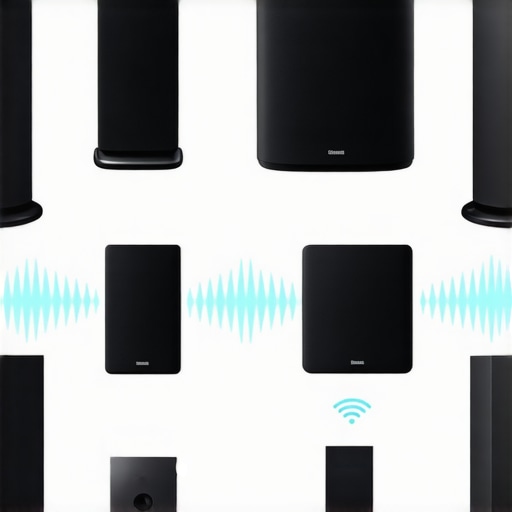
One evening, I was hosting a dinner for friends, eager to set the perfect mood with music softly filling each corner of my home. But as I moved from room to room, the audio cut out, lagged, or sounded so different that it felt like I was listening to multiple playlists rather than one cohesive soundtrack. That lightbulb moment hit me hard—if I wanted true whole-home audio, I needed to crack the code on wireless streaming technology. Have you ever faced that frustrating experience, where your high hopes for a seamless soundtrack turn into a scattered playback mess?
Why Whole Home Audio Can Feel Like a Headache
Over the years, I’ve learned firsthand how impossible it is to enjoy a truly immersive sound experience without the right equipment and setup. The promise of listening to your favorite tunes anywhere in your house—whether you’re cooking in the kitchen, relaxing in the living room, or working in your home office—can be thwarted by outdated tech or misconfigured systems. That is, unless you understand the essentials of choosing and integrating the best Wi-Fi speakers for your space. It’s more than just buying fancy gadgets; it’s about creating a reliable, effortless system that delivers quality sound without constant fiddling. Wireless Wi-Fi speakers have revolutionized how we experience home entertainment, but not every setup is created equal.
Is the Hype About Multiroom Speakers Actually Justified?
When I first jumped into the world of multiroom audio, I made a rookie mistake: I assumed all Wi-Fi speakers were equally easy to set up and just as reliable. Spoiler alert—this isn’t the case. The key to transforming your house into a harmonious sound environment lies in understanding how different systems function and which features truly matter. Want to avoid the pitfalls I fell into? Keep reading, because I’ll walk you through practical steps to master your home audio system, starting from the basics to advanced tips. Whether you’re a complete beginner or looking to upgrade, aligning your expectations with the right tools can make a world of difference. To dive deeper into the essentials, I recommend checking out the beginners’ guide to home audio setup.
Assess Your Space and Set Goals
Start by measuring your rooms and deciding where you want high-quality sound. Think of your home like a garden; different areas might require different types of plants—here, different speakers. I once measured my living room, kitchen, and hallway, realizing each needed a unique speaker setup for optimal coverage. Define whether you want synchronized music in all rooms or specific zones. Clear goals will guide your choices and prevent costly mistakes.
Select the Right Equipment for Your Needs
Choosing the proper Wi-Fi speakers is crucial. Think of these as the roots of a tree; they support everything above. I recommend focusing on reputable brands with strong wireless protocols, such as those discussed here. Consider whether you need portable speakers for flexibility or fixed in-room models for consistent sound quality. Also, ensure they are compatible with your existing network infrastructure, like dual-band Wi-Fi, to avoid buffering issues.
Implement a Centralized Control System
Managing multiple speakers can feel like juggling flaming torches, but a unified app simplifies everything. I once installed a system, only to find each speaker had its own app—total chaos. Now, I use platforms that support multiroom control, such as those explained here. Group your speakers logically—by room or activity—and test extensively to ensure synchronized playback. It might take trial and error, but mastering control boosts your listening experience exponentially.
Optimize Network and Placement
Wireless streaming hinges on a strong, stable network. Think of your Wi-Fi as a highway—if traffic jams occur, your music slows down or cuts out. I once installed mesh Wi-Fi extenders in my home, which resolved dead spots and improved streaming stability. Place speakers away from thick walls or interference sources like microwaves. Elevate them slightly off the floor to improve sound dispersion. Using the tips on placement can make a significant difference in coverage and quality.
Test and Fine-Tune Your System
Once set up, spend time playing different tracks and adjusting settings. Think of it like tuning a musical instrument—small tweaks lead to harmony. I had to reconfigure some speakers’ positions after a week of listening, discovering the sound quality improved noticeably. Use app equalizers and check for latency or sync issues. This phase ensures your system performs reliably under daily use and provides the immersive experience you envisioned.
Many enthusiasts assume that simply purchasing high-end Wi-Fi speakers guarantees flawless whole-home audio. However, this is a common misconception. In reality, the complexity of wireless multiroom systems often leads users astray by overlooking critical nuances. For instance, many believe that all multiroom setups are equally reliable, but in my experience, system stability heavily depends on understanding network topology and device compatibility. Selecting incompatible devices or neglecting network optimization can result in sync issues, dropouts, and subpar sound quality. *Furthermore*, some assume that more speakers automatically translate into better coverage; this isn’t true unless you strategically position and calibrate each unit, considering acoustic properties and interference sources. Official studies, such as those by the Acoustic Society of America, highlight that even small network deviations can cause significant audio lag and quality degradation.
A particularly sneaky trap involves overestimating the ease of integration. Many buy multiple Wi-Fi speakers thinking they’ll just work out of the box, but without proper configuration—like creating dedicated wireless networks or segmenting traffic—they often encounter unexpected delays and dissatisfaction. Remember, **trusting that ‘plug-and-play’ will solve everything is a mistake**. To avoid these pitfalls, it’s essential to plan your system comprehensively, ensuring your network infrastructure supports your audio ambitions. Consider consulting detailed guides like the beginners’ guide to whole-home audio setup for a solid foundation.
**Switching gears**, advanced users often ask: *How can I guarantee perfect sync across multiple rooms?* The answer lies in selecting compatible hardware and optimizing your network for minimal latency. Using mesh Wi-Fi systems and dedicated streaming hubs can significantly enhance performance. For instance, implementing a central controller that manages all devices ensures synchronized playback without lag. Also, leveraging technologies like dual-band Wi-Fi aligns with expert advice in the industry, as discussed here. Ultimately, understanding the intricacies of your system and avoiding blanket assumptions is crucial to achieving the seamless experience you desire. Are you aware of these hidden pitfalls? Have you ever fallen into this trap? Let me know in the comments.Maintaining a seamless and high-quality home audio experience requires more than just initial setup; it demands ongoing attention to the tools, configurations, and network health that keep your multiroom system functioning optimally. To ensure your wireless streaming setup remains robust, I’ve found that investing in quality network monitoring tools is essential. I personally rely on applications like NetSpot, which provides visual heatmaps of your Wi-Fi coverage, enabling me to identify dead zones or interference sources proactively. Regularly updating your router firmware and your Wi-Fi mesh system’s firmware, such as those from Ubiquiti or Eero, is vital—these updates often include performance improvements and security patches that keep your system resilient. Additionally, employing a dedicated network segment or VLAN for your home audio devices can prevent network congestion caused by other household traffic, ensuring your streaming remains uninterrupted.
Another tool I recommend is the use of smart power switches, like the TP-Link Kasa series, which allow me to remotely reboot speakers or streaming hubs if they become unresponsive—a simple yet effective way to troubleshoot without a visit to the equipment room. When it comes to managing large systems, automation platforms like Home Assistant or Hubitat can be configured to monitor device statuses and send alerts if a speaker drops offline, enabling prompt action before the listening experience deteriorates.
Looking ahead, the future of maintaining home audio systems seems poised to integrate AI-driven network management, offering real-time optimization and predictive fault detection. As technologies evolve, expect more intelligent systems that automatically adjust Wi-Fi channels or switch to backup networks to guarantee uninterrupted audio. In the meantime, a proactive approach with the right tools—like regular firmware updates, network health monitoring, and remote troubleshooting—will save you time and frustration.
How do I maintain my whole-home audio over time?
Certainly, dedicating time to these maintenance tips ensures longevity and reliability. Try setting up periodic network scans with NetSpot every few months or after any major Wi-Fi change, and schedule firmware updates for your router and speakers. These small steps can prevent common issues like dropouts and sync delays. Want a quick win? Implement an automation that reboots your streaming hub weekly, which can dramatically improve stability. Remember, a well-maintained system is a happy listening environment! For more detailed strategies, check out the comprehensive mastering home audio guide.
What I Wish I Knew Before Diving Into Multiroom Audio
One of my biggest lightbulb moments came when I realized that system compatibility isn’t just about brand names; it’s about understanding the underlying network protocols and ensuring that all components speak the same language. I used to assume that compatibility issues would be rare — think again. Solid research on device specs and community feedback became my best friends, helping me avoid frustrations and costly returns.
Why Overestimating Wi-Fi Strength Can Derail Your Setup
I learned early on that having the fastest internet connection isn’t enough. Your home’s layout and interference sources can significantly impact streaming quality. Investing in a mesh Wi-Fi system and strategically placing your speakers improved reliability more than any other tweak. This experience taught me that a robust, well-designed network is the backbone of seamless wireless home audio.
The Danger of Ignoring Spatial Listening Dynamics
I used to focus solely on the specs of speakers—power, clarity, and brand reputation—without considering room acoustics and placement. After experimenting, I discovered that positioning speakers at ear level and away from reflective surfaces dramatically enhanced sound quality. Real-world listening taught me that achieving audio harmony involves both good equipment and thoughtful placement.
My Trusted Arsenal for Maintaining Home Audio Excellence
Regular firmware updates are vital, and I rely on tools like NetSpot to monitor Wi-Fi coverage. For troubleshooting, remote reboot switches from TP-Link save me time, ensuring minimal downtime. For comprehensive system health, I use automation platforms like Home Assistant to receive alerts on device status. These tools—trusted through my personal experience—keep my setup both reliable and enjoyable, transforming my home into a true sanctuary of sound.
Embrace Your Audio Journey—The Future Is Bright
Setting up a seamless whole-home audio system is an ongoing adventure, not a one-and-done task. With patience, curiosity, and the right tools, you’ll unlock a world of immersive listening experiences. Remember, every challenge you face is a step toward mastering your space and enhancing your everyday life. Dive in with confidence—your perfect soundscape is within reach!

![Stop Sync Drift: 4 Matter 3.0 Multiroom Audio Hacks [2026]](https://homeaudio.premiumsounddeals.com/wp-content/uploads/2026/03/Stop-Sync-Drift-4-Matter-3.0-Multiroom-Audio-Hacks-2026.jpeg)
![5 Portable Wi-Fi 8 Speakers with 50-Hour Battery [2026 Picks]](https://homeaudio.premiumsounddeals.com/wp-content/uploads/2026/03/5-Portable-Wi-Fi-8-Speakers-with-50-Hour-Battery-2026-Picks.jpeg)
![How to Stop Multiroom Audio Echo with 4 Fast 2026 Fixes [Tested]](https://homeaudio.premiumsounddeals.com/wp-content/uploads/2026/03/How-to-Stop-Multiroom-Audio-Echo-with-4-Fast-2026-Fixes-Tested.jpeg)


Leave a Reply