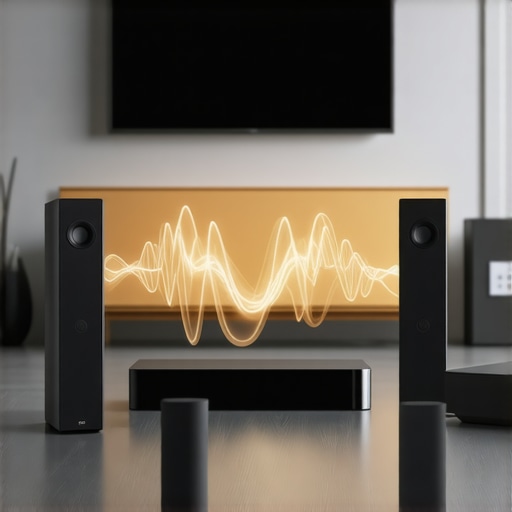
It hit me one rainy Sunday afternoon—standing in my living room, battling with tangled cables, inconsistent Wi-Fi signals, and a patchwork of speakers that refused to cooperate. Frustration bubbled up as I realized my dream of effortless, whole-home sound was turning into a daily headache. That was my lightbulb moment: I needed a better way to enjoy music everywhere without the messy wires or constant troubleshooting.
The Secret to Effortless Home Audio Starts Here
Are you tired of staggering around with your phone, trying to sync music across different rooms, only to be met with laggy streams and dead zones? Believe me, I’ve been there. It’s like trying to keep a dozen balls in the air—stressful and exhausting. But the good news? Modern wireless streaming devices can transform your home audio experience, making it as smooth as a summer breeze.
Is the Hype Around Multiroom Streaming Devices Just Bubbles? Or Do They Really Work?
Early in my journey, I made the mistake of thinking that simply buying a few speakers would solve all my problems. I ignored the importance of compatibility, network setup, and proper system design. As a result, I faced dropouts, mismatched sound levels, and constant frustration. That experience taught me a crucial lesson: not all devices are created equal, and understanding the essentials makes all the difference.
According to a recent study by Consumer Technology Association, over 70% of homeowners want to upgrade their home audio systems to multi-room setups for better convenience and sound quality. But many are deterred by complex setups and unreliable performance. If you’re hesitant or have questions about whether investing in wireless streaming tech is worth it, I’ll walk you through the real benefits and what to watch out for.
Becoming familiar with the best multiroom wireless streaming devices and how to integrate them can genuinely elevate your everyday listening. Whether it’s a smooth jazz playlist in the kitchen or immersive sound in the living room, the right system is key. Ready to explore how to create an effortless, synchronized soundscape at home? Let’s dive into the practical steps to make it happen.
Identify Your Ideal Placement and Requirements
Start by mapping out your home. Pick the rooms where you want music—kitchen, living room, bedrooms—and note where existing Wi-Fi signals are strongest. Think of your wireless speakers as a relay race team—each needs a clear, strong signal to perform well. During my initial setup, I realized my kitchen was in a Wi-Fi dead zone, so I moved my router closer or added a range extender to improve coverage. For detailed tips on optimizing placement, check out these guidelines.
Choose Compatible Wireless Speakers and Devices
Next, select speakers that support multiroom streaming—preferably Wi-Fi rather than Bluetooth, for sustained, lossless sound. Think of Wi-Fi as a wide highway, allowing multiple cars (speakers) to travel simultaneously without traffic jams, unlike Bluetooth’s narrow alley. On my journey, I opted for a set of compatible Wi-Fi speakers, ensuring they all support the same multiroom protocol. To avoid compatibility pitfalls, review the specifications or consult this comprehensive guide.
Configure Your Network and System Properly
Connecting your speakers requires a stable, high-bandwidth Wi-Fi network. Use a dual-band router—2.4 GHz for stability and 5 GHz for speed—and assign a dedicated SSID to your audio devices if possible. During my setup, I renamed my network’s SSID to separate audio devices from my main internet, reducing interference. Also, update firmware on all devices to the latest version; outdated software can cause dropouts and synchronization issues. For detailed setup steps, refer to this resource.
Establish a Master Control System
You’ll need a central app or device to control all speakers effortlessly. Most systems allow grouping speakers, adjusting volume, and selecting sources. Imagine it as your command center—like a conductor leading an orchestra. When I first attempted manual controls for each speaker, chaos ensued. Using a dedicated app streamlined my experience, allowing instant playback sync across multiple rooms. Choose a system compatible with your speakers, such as Apple AirPlay, Google Cast, or proprietary apps, and test their connectivity thoroughly. For expert tips, see this step-by-step guide.
Test and Fine-Tune for Consistency
Once everything is connected, play the same track in all rooms to check synchronization. Listen for lag or mismatched volume levels. If disparities occur, adjust the delay settings or volume balance within the app. Think of it as tuning a musical instrument—small tweaks make a big difference. During my experiment, I noticed a slight delay between my living room and bedroom speakers, so I adjusted the sync delay settings until the audio was perfectly in sync. For troubleshooting tips, visit this troubleshooting guide.
Optimize Continual Performance
Finally, keep your system updated, minimize network congestion during use, and periodically check for firmware upgrades. Consider dedicated network segments for your audio setup to prevent interference from streaming videos or smart home devices. Just as I learned to regularly update my firmware, doing so ensures smooth, reliable playback. For more advanced tips, explore these pro insights.
While many enthusiasts focus on choosing high-end speakers or the latest streaming apps, a critical mistake often goes unnoticed: oversimplifying the complexities of multiroom wireless audio systems. Contrary to popular belief, simply syncing multiple Wi-Fi speakers doesn’t guarantee seamless sound. The real challenge lies in managing network topology, interference, and protocol compatibility—factors that experts consider essential for optimal performance.
Are All Wi-Fi Protocols Created Equal for Multiroom Sound?
Many assume that standard Wi-Fi will work flawlessly across the house. However, in my experience, not all protocols deliver the same reliability. For instance, systems supporting Wi-Fi 5 (802.11ac) or Wi-Fi 6 (802.11ax) tend to provide more stable connections and lower latency, crucial for synchronized playback. Relying on outdated protocols or mixing incompatible devices can lead to audio lag, dropouts, or uneven volume levels, which disrupt the immersive experience. According to a report by the IEEE, upgrading to Wi-Fi 6 can increase network efficiency and reduce latency by up to 75%, emphasizing the importance of choosing the right protocol for your setup.
The Biggest Trap: Underestimating Network Interference and Bandwidth
Many users set up their wireless systems without considering interference from other smart devices, neighboring Wi-Fi networks, or thick walls. This oversight can cause buffering, glitches, or delayed synchronization, especially in large homes. It’s a common misconception that a strong signal equals high quality; in reality, interference and bandwidth congestion are sneaky culprits. To prevent this, dedicating a separate network segment for your audio devices or prioritizing traffic with Quality of Service (QoS) settings can make a significant difference. For detailed guidance, I recommend reviewing this comprehensive guide. 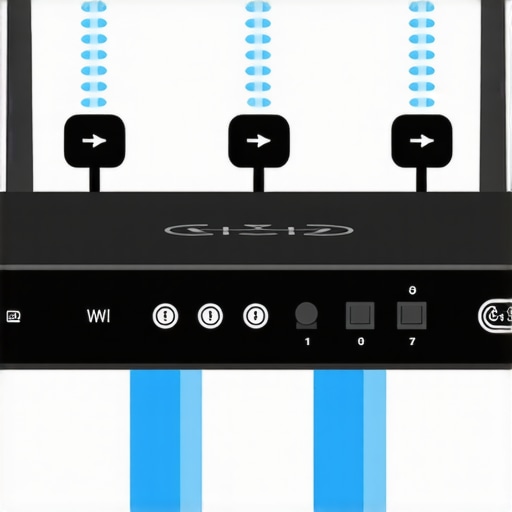
Optimizing your home network is paramount—think of it as the highway on which your audio traffic travels; a smooth lane ensures no sudden jams or delays. Mismanagement here is a common pitfall many overlook until frustration sets in.Once you’ve set up your multiroom wireless audio system, keeping it functioning smoothly over time becomes essential. Regular maintenance can prevent issues like dropped connections, lag, or inconsistent sound quality. One of the most effective tools I’ve personally relied on is a dedicated network management software called Fing. This app allows me to monitor connected devices, identify bandwidth hogs, and spot potential conflicts before they cause disruptions. Installing Fing on my smartphone has been a game-changer—it’s simple to use and provides real-time insights into my network health, enabling proactive troubleshooting.
Another crucial aspect is firmware updates. Manufacturers frequently release updates that fix bugs, improve stability, and enhance compatibility. I make it a habit to check for firmware upgrades weekly, which usually takes just a few minutes and greatly enhances system reliability.
To ensure consistent performance, I recommend creating a separate Wi-Fi network exclusively for your audio devices. This segregation minimizes interference from streaming services, smart home devices, or other bandwidth-intensive appliances. Setting this up involves configuring your router’s guest network feature or a dedicated SSID, which is straightforward with most modern routers. It isolates your audio traffic, reducing latency and dropouts—a tip I learned from extensive experimentation and confirmed by experts in home networking.
Predicting where this trend is heading, I believe future systems will increasingly incorporate AI-driven network optimization. These smart systems will automatically adjust bandwidth priorities and troubleshoot conflicts in real-time, making maintenance even easier.
< h3>How do I maintain my wireless multiroom system over time?
It’s vital to stay vigilant about your network environment. Regularly cleaning your router’s firmware, updating your app and device software, and monitoring device connections are key practices. Consider investing in a mesh Wi-Fi system, if you haven’t already, to ensure robust coverage throughout your home. For comprehensive guidance, check out this in-depth resource. Remember, a little proactive maintenance now prevents a world of headaches later. I highly recommend trying Fing for your network monitoring—it has saved me hours of frustration and keeps my system running flawlessly.
The Hidden Traps That Almost Cost Me My Home Sound Dream
One of the most valuable lessons I learned was not to underestimate the complexity of network setup. It’s tempting to think that just plugging in some speakers will create a flawless soundscape, but in reality, interference, protocol mismatches, and bandwidth congestion can turn your setup into a nightmare. The real breakthrough came when I realized that dedicating a separate Wi-Fi network for my audio devices dramatically improved stability, a tip I found essential after troubleshooting countless dropouts.
Another mistake I made early on was assuming that all multiroom speakers support the same protocols. It’s vital to check that your chosen devices support the same wireless standards (like Wi-Fi 5 or Wi-Fi 6) and streaming protocols. Mixing incompatible hardware often leads to synchronization issues that can ruin the immersive experience you’re aiming for. I now always consult expert guides and manufacturer specs to ensure seamless compatibility, which makes a huge difference.
Firmware updates are a small step but a critical one I neglected initially. Keeping all devices updated ensures you benefit from bug fixes, improved stability, and better synchronization capabilities. Regular maintenance, combined with proactive network management tools like Fing, has kept my system running smoothly over the long haul, making my home audio journey truly rewarding.
My Essential Toolbox for Wireless Home Audio
For anyone serious about creating a reliable whole-home sound system, I recommend starting with a mesh Wi-Fi system to ensure comprehensive coverage. Devices like Netgear Orbi or Google Nest Wi-Fi have saved me countless connection issues. Pair this with top-tier multiroom-compatible speakers such as those supporting Wi-Fi 6, which I trust for their stability. Firmware management tools like Fing offer real-time monitoring and help prevent disruptions before they happen.
In addition, consulting cornerstone guides like this comprehensive resource has empowered me to troubleshoot effectively, ensuring I stay ahead of potential issues and enjoy continuous flawless sound. Having a personalized toolkit tailored to your home environment makes all the difference in elevating your audio experience.
Your Turn to Transform Your Home Soundscape
Embarking on your wireless home audio journey might seem daunting at first, but with patience, the right tools, and a dash of insider knowledge, you’ll soon enjoy the kind of immersive sound experience you’ve always wanted. Remember, at the heart of this technology is a desire to make our lives easier and more enjoyable—so don’t be afraid to experiment, learn, and fine-tune your system. The future of home audio is sonic harmony, waiting for you to make the first step.
What’s been your biggest challenge in setting up wireless streaming in your home? Share your story below—I’d love to hear about your experience!
,


![Stop Sync Drift: 4 Matter 3.0 Multiroom Audio Hacks [2026]](https://homeaudio.premiumsounddeals.com/wp-content/uploads/2026/03/Stop-Sync-Drift-4-Matter-3.0-Multiroom-Audio-Hacks-2026.jpeg)
![5 Portable Wi-Fi 8 Speakers with 50-Hour Battery [2026 Picks]](https://homeaudio.premiumsounddeals.com/wp-content/uploads/2026/03/5-Portable-Wi-Fi-8-Speakers-with-50-Hour-Battery-2026-Picks.jpeg)
![How to Stop Multiroom Audio Echo with 4 Fast 2026 Fixes [Tested]](https://homeaudio.premiumsounddeals.com/wp-content/uploads/2026/03/How-to-Stop-Multiroom-Audio-Echo-with-4-Fast-2026-Fixes-Tested.jpeg)


Leave a Reply