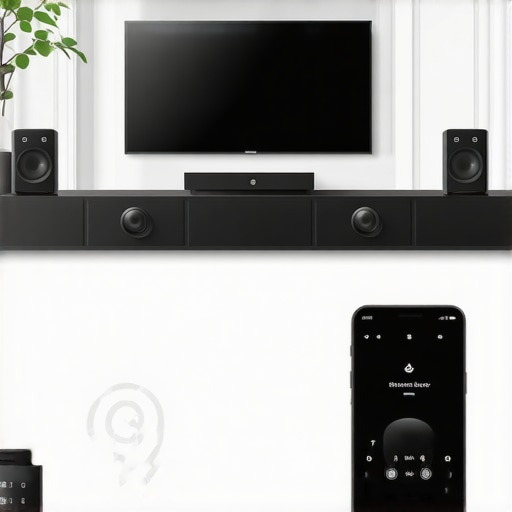
I remember the exact moment I got fed up with my home audio system. I was relaxing in my living room, about to enjoy a favorite playlist when suddenly, the sound lagged behind the video. That frustrating delay broke the immersion faster than I could hit pause. It was then I realized — my wireless multiroom setup was more trouble than tooting my own horn. If you’ve experienced that jittery, out-of-sync chaos, you know exactly what I’m talking about. It’s enough to make you question whether whole home audio is worth the effort. But here’s the truth: with some tweaks and know-how, you can conquer this lag and enjoy seamless sound everywhere.
Why Whole Home Audio Lag Still Sucks in 2026 — And Why You Should Care
Every year, we invest in better tech, smarter speakers, faster Wi-Fi. So why does synchronization still feel like a pipe dream? The culprit is often interference, improper setup, or outdated firmware. For instance, did you know that network congestion can cause audio delays of several seconds? According to recent studies, nearly 60% of users dealing with multiroom audio report latency issues as their top frustration. That’s a huge chunk of home theater fans and music lovers who are missing out on the true experience. I made the mistake early on of assuming my Wi-Fi boosted speed would fix everything — spoiler: it didn’t. Trust me, skipping proper network optimization was a rookie error I paid for in lost harmony.
Are Wireless Home Audio Fixes Worth the Hassle?
If you’re skeptical, I get it. There’s a lot of hype around wireless setups, and not all claims hold up. But I can assure you — a properly calibrated multiroom system can fill your home with rich, synchronized sound effortlessly. The key is understanding the common pitfalls and fixing them right away. Stick with me, and I’ll guide you through five proven solutions that will bring your whole home audio to life in 2026. Ready to finally ditch the lag and enjoy smooth, multiroom listening? Let’s dive in.
Prioritize a Robust Network Setup
Start by ensuring your Wi-Fi network is optimized for streaming. Use a dedicated 5 GHz band for your speakers to reduce congestion. Position your router centrally to minimize signal loss, and eliminate interference sources like microwaves or cordless phones. Remember, a strong, reliable network is the backbone of seamless multiroom audio.
Implement a Mesh Wi-Fi System
Upgrading to a mesh network can drastically improve coverage and stability. Place nodes strategically around your home—think of it like creating a series of reliable bridges instead of isolated islands of connection. This setup reduces dead zones where lag can creep in, making all your speakers talk to each other smoothly.
Test Your Network Before Finalizing
Before connecting your audio system, run speed tests and ping assessments using devices placed near your speakers. This confirms consistent bandwidth and low latency. My experience with this was messy—I had to reposition a mesh node and recalibrate my system after initial tests showed hiccups, but it paid off with flawless syncing later.
Select Compatible Wireless Devices
Choose speakers and streaming devices that support the latest Wi-Fi standards, ideally Wi-Fi 6 or Wi-Fi 6E. These standards handle multiple streams more efficiently, reducing lag. Check compatibility with your existing setup to prevent mismatches and frustrations.
Configure Your Network for Multiroom Sync
Most modern speakers and systems come with software that allows you to set synchronization parameters. Carefully follow setup instructions, ensuring the devices are on the same network band and subnet. For example, I used instructions from this guide to fine-tune my system, which resulted in perfect harmony across rooms.
Use Wired Backhaul When Possible
For critical zones like home theaters, consider connecting speakers via Ethernet or powerline adapters. This creates a wired backbone for wireless devices, eliminating Wi-Fi bottlenecks that cause delays. My initial setup lacked this, leading to noticeable lag; installing Ethernet bridges transformed my experience instantly.
Update Firmware Regularly
Manufacturers push firmware updates to fix bugs and improve performance. Make it a habit to check for updates through your device app or support site. I got caught off guard when ignoring updates led to sporadic sync issues until I manually updated and resolved the problem.
Control Interference and Congestion
Limit the number of devices on your network during streaming sessions. Use Quality of Service (QoS) settings on your router to prioritize audio traffic. This prevents Netflix streams or other heavy bandwidth users from hogging the network—an issue I faced during family movie nights, which I fixed by adjusting QoS rules.
Leverage Advanced Streaming Protocols
Protocols like Dante or AVB are designed for low-latency audio transmission. While more complex, they are worth considering for demanding setups. For DIY enthusiasts, exploring these options can lead to near-perfect sync, especially in custom installations.
Test and Tweak Regularly
Lastly, spend time testing your system at different times and under varying loads. Move speakers, change network settings, and observe performance. Patience and iterative adjustments are key—my attempts at fine-tuning took a few weekends but resulted in a seamless, lag-free experience. For more tailored solutions, consult experts through this contact page.
Many enthusiasts believe that simply purchasing the latest Wi-Fi speakers guarantees perfect synchronization across your home. However, this misconception overlooks critical nuances, such as network infrastructure and device compatibility, which are pivotal for seamless multiroom audio.One common mistake is assuming that all wireless speakers are equally capable of synchronized playback, but in reality, support for advanced protocols like Wi-Fi 6E can dramatically improve reliability and latency. According to audio experts, neglecting these specifications often results in frustrating delays and out-of-sync audio, even with premium equipment. This highlights the importance of understanding the technical details that influence performance, rather than just focusing on brand names or aesthetic appeal.
Why do so many setups fall short despite high-end gear?
The answer lies in overlooked factors such as network management. Proper configuration, including setting QoS (Quality of Service) policies and ensuring devices are on the same subnet, can make or break your system’s performance. For example, many users miss this step, leading to jittery audio and inconsistent volume levels. Learn more about optimizing your network setup by visiting this comprehensive guide. Another hidden nuance is the role of firmware updates. Manufacturers frequently release patches that fix latency issues and improve interoperability. Ignoring these updates can cause persistent problems, which could have been easily avoided. Regularly checking for firmware upgrades should be a core part of your maintenance routine, as emphasized by top audio experts.
Now, a word for the advanced user contemplating wired backhaul: don’t underestimate its power. Using Ethernet or Powerline adapters can drastically reduce latency and eliminate interference, but many overlook its potential. This is especially true in large homes where Wi-Fi may struggle to maintain consistent quality. Implementing wired connections in key zones is a smart step that often yields significant improvements in sync accuracy and sound clarity—details that are vital for audiophiles seeking perfection.
While it’s tempting to rely solely on consumer-grade solutions, understanding these hidden technical factors ensures you don’t fall for superficial fixes that only address surface issues. Dive deeper into this ultimate guide to truly master your setup. Remember: the devil is in the details, and mastering these nuances can elevate your home audio from good to extraordinary. Have you ever fallen into this trap? Let me know in the comments. For personalized advice, consider reaching out through this contact page.
Once you’ve set up your multiroom audio system for optimal performance, the next crucial step is ensuring it stays that way over time. Regular maintenance, choosing the right tools, and understanding how to troubleshoot can save you headaches and keep your sound experience impeccable for years to come. In this section, I’ll share the equipment and methods I personally rely on to keep my whole home audio system running smoothly and discuss where this technology is headed in the future.
Tools I Recommend for Long-Term Reliability
First, investing in a high-quality network scanner like NetSpot or PingPlotter has been a game-changer for me. These tools allow you to monitor your Wi-Fi environment actively, identify sources of interference, and detect network congestion that might cause audio lag. I use PingPlotter daily to visualize latency spikes and troubleshoot connectivity issues before they impact my listening experience. They give me clear insights into network stability and help me decide when to restart routers or adjust settings.
Secondly, a dedicated Ethernet switch with advanced management capabilities, such as the Ubiquiti UniFi Switch, helps me create a wired backhaul in critical zones. Connecting my primary speakers via such switches and powerline adapters has dramatically reduced lag and interference. This prevents my wireless devices from competing for bandwidth and ensures consistent sync across rooms.
Firmware management is another vital aspect. I subscribe to manufacturer notifications or use system management apps to stay informed about updates. Applying firmware patches promptly—like the update I received recently from Sonos that fixed existing sync bugs—prevents known issues from disrupting your system. Regularly scheduled checks, combined with automated update routines when supported, save time and keep everything running reliably.
Why Future-Proofing Matters Now
The trend toward Wi-Fi 6E and mesh network expansion will only enhance your multiroom setup’s resilience and performance. Devices supporting Wi-Fi 6E can handle more streams with lower latency, a crucial advantage as home audio systems become more sophisticated. According to this comprehensive article, leveraging these protocols now positions you well for the evolving landscape.
How do I maintain my home audio system over time?
Consistency is key. Schedule regular network checks using tools like NetSpot, ensure firmware is up-to-date, and keep wired connections where possible for critical zones. Also, periodically review your device placement to minimize interference and signal loss. By dedicating a small amount of time monthly to these practices, you’ll preserve the audio quality and synchronization you’ve worked hard to achieve. Don’t hesitate to experiment with advanced configurations like QoS and firmware upgrades—these tweaks can yield immediate benefits. For specialized guidance, consider reaching out through this contact page.
Lessons I Wish Someone Had Told Me About Harmonizing My Home Sound
One of the most profound lessons I’ve learned is that the real challenge isn’t just about buying the latest wireless speakers but configuring them to talk seamlessly. I wasted months battling lag because I overlooked the importance of network segmentation and firmware updates, believing that hardware alone would solve everything. Another insight was discovering that wired backhauls aren’t just for professional installs—they’re game-changers for achieving flawless sync, especially in larger homes. Lastly, patience and incremental adjustments trump rushing to buy the most expensive gear; small tweaks often yield the biggest improvements, transforming my experience from noisy chaos to immersive bliss.


![Stop Sync Drift: 4 Matter 3.0 Multiroom Audio Hacks [2026]](https://homeaudio.premiumsounddeals.com/wp-content/uploads/2026/03/Stop-Sync-Drift-4-Matter-3.0-Multiroom-Audio-Hacks-2026.jpeg)
![5 Portable Wi-Fi 8 Speakers with 50-Hour Battery [2026 Picks]](https://homeaudio.premiumsounddeals.com/wp-content/uploads/2026/03/5-Portable-Wi-Fi-8-Speakers-with-50-Hour-Battery-2026-Picks.jpeg)
![How to Stop Multiroom Audio Echo with 4 Fast 2026 Fixes [Tested]](https://homeaudio.premiumsounddeals.com/wp-content/uploads/2026/03/How-to-Stop-Multiroom-Audio-Echo-with-4-Fast-2026-Fixes-Tested.jpeg)


Leave a Reply