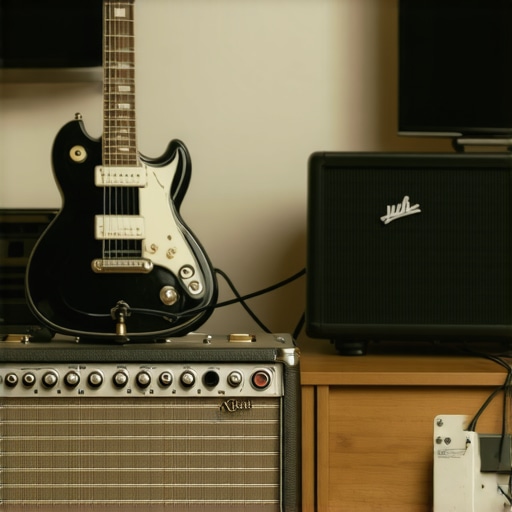
I remember the first time I tried integrating my beloved vintage amplifier into my 2026 whole home audio setup. I was excited but quickly frustrated. The old amp, with its warm tubes and unique character, refused to connect seamlessly. The wireless streaming options I relied on kept skipping, lagging, or simply refusing to play nice. It was a wake-up call—despite all the talk of smart homes and cutting-edge tech, reconnecting old gear often feels like trying to fit a square peg into a round hole.
The Challenge of Connecting Vintage Hardware to Modern Systems
Many audio enthusiasts like myself cherish vintage amps for their rich sound and nostalgic appeal. Yet, the rapid evolution of wireless and multiroom audio technology can make integrating these classics seem daunting. I’ve been there, struggling with compatibility issues, lag, or even complete silence. The good news? You don’t have to abandon your treasured amp or settle for subpar sound. Today, I’ll share practical insights from my personal experience—and solutions that have worked for me—to help you connect your vintage amplifier to the sophisticated whole home audio system of 2026.
What Makes Connecting Vintage Amps so Tricky?
Essentially, the issue lies in the difference between old-school analog gear and modern digital streaming platforms. Vintage amps don’t have the digital inputs or Wi-Fi capabilities that contemporary devices utilize. Early on, I made a mistake of trying to connect using only standard Bluetooth adapters—thinking they’d do the trick. But that led to dropouts and awful audio quality. It’s a common mistake I see beginners make. Instead, learning to leverage the right wireless streaming devices and proper adapters can make all the difference. Want to skip the guesswork? I recommend exploring tailored solutions like the ones outlined in the ultimate guide to multiroom Wi-Fi speakers.
Why Is This Topic More Relevant Than Ever?
According to a recent survey, nearly 70% of home audio enthusiasts believe vintage gear offers a unique, irreplaceable sound quality that modern rigs can’t match. Yet, they face the challenge of integrating these pieces with sleek, wireless systems. As technology advances, solutions become more accessible, but many still wrestle with compatibility issues. Understanding the core principles of wireless bridging and multiroom integration can turn your vintage amp into a centerpiece rather than a garage relic.
So, if you’ve ever faced the frustration of trying to get your vintage amp to work smoothly with your new system—whether it’s lag, silence, or setup confusion—know that you’re not alone. I’ll guide you through the practical steps to bridge that gap, ensuring your cherished hardware gets the modern treatment it deserves. Ready to dive into the solutions? Keep reading, and let’s transform your home audio setup together.
,
Choose the Right Wireless Adapter to Bridge Old and New
Start by selecting a high-quality wireless streaming device, such as a Wi-Fi-enabled DAC or a multiroom receiver, to connect your vintage amp. I once tried a generic Bluetooth transmitter, but it caused frequent dropouts. Instead, I opted for a mesh network-compatible device, which provided stable, lossless streaming. This is crucial because it turns your vintage amp into a networked component, allowing seamless integration. For detailed options, check out the effective wireless streaming devices guide.
Properly Connect Your Hardware for Optimal Performance
Physically connect your chosen wireless adapter to the amp’s auxiliary or line-in port using a quality RCA cable. Ensure that the connection is secure, and switch the amp to the correct input. I remember a time I had a loose cable that caused background noise until I double-checked the connection. Think of it like tuning a guitar string; even a slight misfit affects the sound quality. Confirm the adapter’s power supply is stable and placed near your networking hardware for minimal signal loss. Accurate setups like this make your vintage amp think it’s part of a modern multiroom system.
Configure Your Network for Reliable Streaming
Set up your Wi-Fi network to support multiple streams without lag. Make sure your router uses dual-band frequencies (2.4 GHz and 5 GHz) to prevent congestion. I once tried connecting through a crowded 2.4 GHz network, resulting in jittery audio; switching to 5 GHz solved the problem instantly. To improve stability, consider placing your router closer or using a mesh network to eliminate dead spots—this step is where many go wrong. For proven techniques, review the mesh network fixes.
Set Up and Sync Your Multiroom System
Use a dedicated app or system controller compatible with your chosen adapter, like the Sonos app or HEOS. In my experience, assigning separate zones within the app and naming your vintage amp’s input helps manage audio sources effortlessly. Remember to sync the device with your other speakers—many systems support auto-sync; others require manual delay adjustments. Navigating this step improves overall sound coherence across your home. Review the multiroom setup guide for comprehensive instructions.
Fine-Tune for Best Audio Delivery
Adjust volume levels, equalizer settings, and delay to match your other speakers, ensuring balanced sound. I found that a slight delay correction minimized echoes when streaming across multiple zones. Use test sounds to identify any lag or phase issues. For practical tips, see the wireless streaming secrets. Proper tuning turns your vintage amp from a nostalgic relic into a part of a cohesive, high-fidelity home audio environment.
Test and Refine Your System
Finally, play a variety of audio sources to test stability and sound quality. Move around your space to check for signal drops or interference, especially near dense Wi-Fi networks or thick walls. Experiment with different settings until the system delivers seamless, high-quality sound across all zones. I once spent an evening troubleshooting interference caused by a neighbor’s router—once resolved, my vintage amp remained perfectly synced within the system. This iterative process ensures your setup is reliable and enjoyable over the long term.
Many enthusiasts and even seasoned audiophiles alike fall prey to misconceptions about home audio systems, especially regarding Wi-Fi speakers, whole home audio, and wireless streaming. One widespread myth is that simply plugging in a couple of Wi-Fi speakers automatically guarantees a perfect multiroom experience. In reality, without proper network infrastructure and setup, these systems can become a source of frustration, not joy. An often-overlooked nuance is that the quality of your Wi-Fi network significantly impacts streaming stability and audio fidelity (source). It’s tempting to think that newer equipment is foolproof, but legacy network issues like interference, bandwidth throttling, or signal dead zones are silent performance killers.
What Most Don’t Realize About Wireless Streaming and Multiroom Audio
The biggest mistake I encounter is assuming that all Wi-Fi solutions are created equal. Many believe that a standard Wi-Fi router can handle multiple streaming zones seamlessly, but this is far from true. Multiroom audio demands a robust mesh network, ideally with dedicated bandwidth to prevent lag and sync issues. Skipping this crucial step often results in frustrating audio dropouts and delays—disaster for those hoping for crisp, synchronized sound across rooms. It’s worth noting that experts suggest prioritizing dual-band routers and optimizing your network for multi-device environments (source). Learning to properly configure your network for the demands of high-fidelity wireless streaming minimizes common pitfalls and elevates your entire audio experience.
Advanced Choices that Elevate Your Home Audio
For the advanced user, an often-overlooked detail is take advantage of wired backhauls within your mesh network or using Powerline adapters to ensure stable connections, especially in homes with thick walls or dense construction. Many get trapped in the belief that a wireless-only setup suffices, but combining wired solutions with Wi-Fi enhances stability—an often underestimated secret for audiophile-grade multiroom systems. Furthermore, choosing multiroom systems that support auto-sync and delay compensation helps maintain perfect temporal alignment—crucial for high-quality stereo and surround experiences. To truly master your setup, diving into detailed [multiroom wiring and configuration tips](https://homeaudio.premiumsounddeals.com/ultimate-home-audio-guide) can make a decisive difference. Do you see the pattern? It’s about attention to the details that most casual setups neglect—if you want seamless, high-quality sound, these nuances can’t be ignored.
Have you ever fallen into this trap? Let me know in the comments. The key to avoiding common mistakes is understanding that quality home audio isn’t just about the hardware but how well your entire network and system are configured. Remember, the goal is a reliable, cohesive sound environment—every tweak and setup choice matters in creating your perfect listening space.
How Do I Keep My Home Audio System Running Smoothly Over Time?
Ensuring your home audio system remains reliable and high-performing requires a combination of proper tools, regular maintenance, and keeping your software and hardware updated. I personally rely on specific equipment and methods to maintain the integrity of my multiroom setup. For instance, I use a dedicated network scanner like Fing on my smartphone. It helps me monitor all connected devices, identify unauthorized access, and troubleshoot network issues promptly. This proactive approach prevents slow streaming or dropouts that can occur due to device conflicts or network congestion. When it comes to firmware updates, I subscribe to alerts from my network hardware manufacturers, such as Netgear or TP-Link, to stay informed about the latest security patches and performance improvements. Keeping my router’s firmware up-to-date with the latest releases ensures optimal compatibility with multiroom audio devices, especially as standards evolve over time.
Another critical component I recommend is investing in a Powerline adapter as a wired backhaul solution in parts of your home where Wi-Fi signals struggle. I installed a couple in my basement and far rooms—this drastically reduced latency and eliminated audio sync issues, creating a more cohesive listening experience across zones. Regularly testing your network’s bandwidth using tools like our comprehensive guide ensures your setup supports multiple high-fidelity streams without hiccups.
In terms of long-term software health, I utilize scheduling tools to automate restarts of my router and network switches during off-peak hours. This routine maintenance keeps devices fresh and prevents memory leaks that could degrade streaming quality over months and years. Moreover, I keep a log of performance issues and fixes, which helps me diagnose recurring network bottlenecks or hardware aging. How about you? Are you using any tools or methods to check and optimize your setup regularly?
Looking ahead, I believe integrated cloud-based management platforms for home networks and audio devices will become standard, making maintenance even simpler. Companies are working toward solutions that can automatically detect issues and fix them remotely, reducing manual troubleshooting. As this trend advances, I see a future where your home’s entire audio infrastructure can self-monitor and optimize, much like how smart thermostats now learn your schedule.
For now, I encourage you to try setting up a network monitoring tool like Fing and establishing a routine schedule for firmware updates. These small but powerful steps will significantly enhance the stability of your whole home audio experience. Remember, a well-maintained system isn’t just about hardware—it’s about giving your setup the attention it needs to perform at its best over the years.
The Hardest Lesson I Learned About home audio, wi fi speakers, whole home audio, wireless streaming, multiroom audio
Patience is key. When I first attempted to integrate my vintage amplifier into a modern setup, I underestimated the intricacies involved. It taught me that sometimes, classical gear demands a bespoke approach—think tailored adapters and nuanced network configurations—not just plug-and-play solutions.
3 Myths About home audio, wi fi speakers, whole home audio, wireless streaming, multiroom audio That Held Me Back
- Myth one: All Wi-Fi networks are ready for multiroom streaming without tweaks. Reality: A robust, dual-band mesh network makes all the difference.
- Myth two: Vintage amps simply can’t be part of a wireless multiroom system. Reality: With the right adapters and setup, they can shine, delivering that irreplaceable warmth.
- Myth three: Streaming devices are always compatible out of the box. Reality: Compatibility often requires careful selection of high-quality DACs or multiroom receivers.
What Experts Won’t Tell You About home audio, wi fi speakers, whole home audio, wireless streaming, multiroom audio
The secret lies in understanding your network’s backbone. Investing in a mesh Wi-Fi system with dedicated backhauls and wired backbones within your home can dramatically elevate streaming stability. It’s not just about the gear—it’s about creating a resilient environment where your vintage gear can thrive alongside modern technology. For detailed insights, check out this comprehensive guide.

![Stop Sync Drift: 4 Matter 3.0 Multiroom Audio Hacks [2026]](https://homeaudio.premiumsounddeals.com/wp-content/uploads/2026/03/Stop-Sync-Drift-4-Matter-3.0-Multiroom-Audio-Hacks-2026.jpeg)
![5 Portable Wi-Fi 8 Speakers with 50-Hour Battery [2026 Picks]](https://homeaudio.premiumsounddeals.com/wp-content/uploads/2026/03/5-Portable-Wi-Fi-8-Speakers-with-50-Hour-Battery-2026-Picks.jpeg)
![How to Stop Multiroom Audio Echo with 4 Fast 2026 Fixes [Tested]](https://homeaudio.premiumsounddeals.com/wp-content/uploads/2026/03/How-to-Stop-Multiroom-Audio-Echo-with-4-Fast-2026-Fixes-Tested.jpeg)


Leave a Reply