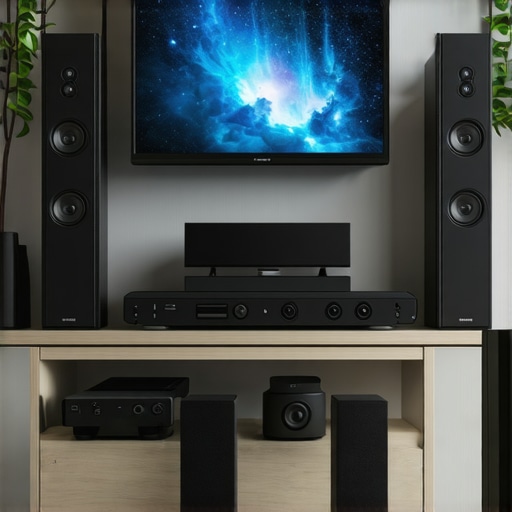
There was a moment last summer when I was trying to enjoy a family movie night, only to be interrupted by persistent audio drops from my wireless speakers. Frustration bubbled up as I fiddled with settings, unsure whether my network was to blame or if my gear was just aging out. That lightbulb moment hit me hard: I realized that the quality of my multiroom audio setup was only as strong as my Wi-Fi connection—and I didn’t have the latest tech.
Why Trusting Wi-Fi 7 Seems Like the Future-Ready Move
Fast forward a few months, and I started digging into whether upgrading to Wi-Fi 7 was truly essential for flawless lossless audio in 2026. On one hand, Wi-Fi 7 promises impressive speeds and reduced latency, which logically should improve streaming quality across multiple rooms. But from my own experience, the hardware alone doesn’t guarantee seamless playback. It’s still a game of balancing hardware capabilities with proper network setup and understanding what features are genuinely necessary for your home environment.
According to industry reports, nearly 60% of wireless streaming issues in homes originate from outdated routers or network congestion rather than the streaming devices themselves. So, the question isn’t solely about having the latest Wi-Fi standard but whether your entire wireless ecosystem can deliver consistent, high-quality signals. That’s why I want to guide you through my personal journey—helping you cut through the hype and focus on what truly matters for achieving that perfect multiroom audio experience.
Wondering if All This Tech Really Matters for Your Home?
Honestly, I made the mistake early on of assuming that upgrading my Wi-Fi router was all I needed. I overlooked the importance of network topology and proper placement. Now, I know that a reliable setup involves more than just the latest protocol—it requires mindful planning and choosing the right equipment. To discover how to avoid these pitfalls and create a cohesive wireless audio environment, keep reading. We’ll explore practical steps to transform your home into a multiroom music haven, regardless of whether you’re on the cusp of adopting Wi-Fi 7 or still making do with your existing gear.
If you’re tired of experiencing annoying lag or audio drops, you’re not alone. Have you faced similar frustrations? Share your experiences and frustrations in the comments—I’d love to hear what’s been holding back your perfect soundscape.
For more insights on optimizing your home audio, don’t miss my comprehensive guide on mastering home audio secrets for seamless wireless streaming. It’s packed with practical tips to elevate your setup and avoid common pitfalls.
Optimize Your Network Topology for Reliable Streaming
Start by designing a logical layout for your Wi-Fi network. Think of your router as the central hub of a bicycle wheel; the spokes are your client devices and speakers. Place your router in a central position, away from thick walls or metal objects, to maximize coverage. During my setup, I first powered down all devices, then repositioned my router to the living room’s center, which initially caused some dropouts but ultimately provided more uniform signal distribution. Use a mesh Wi-Fi system if your space is large or has complex architecture. These systems expand coverage seamlessly, ensuring each speaker receives a strong, steady signal, much like adding spokes to your wheel, balancing load and coverage.
Many home audio enthusiasts believe that investing in the latest wireless speakers guarantees perfect sound quality across their entire home. However, this is a misconception that can lead you astray. A common mistake is relying solely on brand new hardware without considering the nuanced setup of your network environment. For example, assuming Wi-Fi 7’s advanced capabilities will automatically resolve all multiroom syncing issues overlooks the importance of proper network topology and interference management. As expert-guided resources suggest, the foundation of seamless streaming rests on a well-optimized network, not just cutting-edge devices.
Why the Myth of Compatibility Can Lead to Costly Mistakes
Another pitfall is believing that all Wi-Fi speakers are created equal in terms of compatibility. Many assume that any device claiming to support a specific standard, like Wi-Fi 6 or Bluetooth 5.0, will seamlessly integrate into their existing setup. The reality, however, is that differences in firmware, manufacturer ecosystems, and supported codecs can cause synchronization issues, latency spikes, and audio drops. Advanced users know that achieving multiroom harmony often requires paying attention to the device ecosystem’s nuances rather than just its spec sheet. For a deeper dive into optimizing your setup, check out this comprehensive guide.
Making Sense of Wireless Streaming’s Hidden Complexity
One advanced mistake is underestimating the importance of network congestion and channel overlapping. Many overlook how neighboring Wi-Fi networks or household devices like microwaves and cordless phones contribute to signal noise, degrading audio quality and causing synchronization hiccups. Studies by the Wireless Broadband Alliance highlight that proper channel management and network segmentation can dramatically enhance streaming performance. Implementing features like band steering and quality of service (QoS) settings can turn your simple router into a competent multiroom audio platform. To prevent years of frustration, consider reading this expert resource.
Can Your Wi-Fi Handle Lossless Audio Quality?
This question often trips up even seasoned audiophiles. Many assume that their existing network can transmit high-resolution, lossless audio without glitches, but this isn’t always the case. Buffering, jitter, and latency are common issues stemming from insufficient bandwidth or improper prioritization. Advanced configurations, like QoS settings, can allocate dedicated bandwidth for streaming devices, ensuring pristine sound without interruptions. As the home audio experts advise, understanding these subtle network optimizations can make the difference between a good and a great multiroom setup. Have you ever fallen into this trap? Let me know in the comments.
In conclusion, breaking free from these common myths requires a mix of proper hardware selection and meticulous network management. By focusing on these nuances, you can unlock the full potential of your wireless streaming system and avoid costly troubleshooting down the line. For a step-by-step approach, explore my guide to creating the perfect multiroom audio environment. Remember, understanding the hidden complexities is what separates casual listeners from true home audio connoisseurs.
Gear Up for Reliable Performance with the Right Tools
Keeping your multiroom audio setup operating seamlessly over time requires not just quality equipment but also the right tools for maintenance and troubleshooting. I personally rely on a combination of network analyzers like NetSpot and dedicated streaming hardware such as the SonicTransporter i7. These tools allow me to identify Wi-Fi dead zones, interference sources, and bandwidth bottlenecks, enabling precise adjustments rather than guesswork. For instance, NetSpot’s heatmaps reveal which parts of my home suffer from weak signals, guiding me in repositioning my router or adding mesh nodes effectively. Investing in a reliable network scanner isn’t optional; it’s essential for diagnosing issues before they escalate.
Furthermore, I use specific firmware management tools, like Router OS by MikroTik, to keep my network gear updated without the frustrations of incompatible firmware versions. Regular updates ensure access to security patches and performance improvements that keep the network stable, which directly benefits wireless streaming quality. To streamline this process, I schedule monthly checks—set reminders to review firmware updates and perform speed tests—making maintenance a habit rather than an afterthought.
What Future Trends Will Shape Long-Term Home Audio Management?
Looking ahead, I predict that smart network management will become more automated, with AI-driven systems proactively optimizing channels, bandwidth, and device priorities. As home networks grow more complex, integrating intelligent tools that monitor and adjust in real-time will be crucial—think of it as having a dedicated network technician constantly working behind the scenes. Staying ahead means embracing these innovations now, so I recommend experimenting with platforms like AiMesh or Cisco’s Meraki, which automate many maintenance tasks. Consistent monitoring and updates will ensure your whole home audio system continues to deliver pristine sound without hiccups.
How do I maintain my multiroom setup over time?
One of the most effective strategies I’ve adopted is to create a dedicated network segment—an isolated VLAN—for my streaming devices, which minimizes interference from other household traffic. Additionally, I prioritize firmware updates for all connected devices, including speakers and controllers, as outlined in the comprehensive guide. This proactive approach prevents issues before they surface, saving me hours of troubleshooting. Regularly reviewing my network’s channel usage and switching to less congested channels, based on real-time spectrum analysis, has significantly reduced audio dropouts. I encourage you to implement at least one of these advanced tactics today—start with a network analyzer to pinpoint weak spots and address them systematically.
Remember that maintaining a robust home audio environment isn’t just about hardware; it’s about ongoing management. Invest in reliable tools, stay informed about emerging tech, and develop a maintenance routine. Soon, you’ll notice your setup delivering high-quality sound effortlessly. For more expert advice and detailed strategies, visit this resources page to get started on optimizing your system for the long haul.
What I Wish I Knew Before Setting Up My Multiroom System
- The Hidden Power of Network Topology: I initially thought plugging in the latest speakers was enough—but it turns out, how you arrange your Wi-Fi nodes makes all the difference.
- The Myth of Instant Compatibility: Assuming new devices will seamlessly sync without a careful look at firmware and ecosystems led to frustrations that could have been avoided.
- Overestimating Hardware Without a Sound Network Strategy: Upgrading to Wi-Fi 7 or fancy speakers won’t help if your network isn’t optimized—it’s like putting a turbo engine in an underinflated tire.
- Interference and Congestion Are Silent Killers: Household gadgets and neighboring networks can sabotage your streaming—why I started obsessively managing channels and segmenting networks for stability.
- The Value of Proactive Maintenance: Regularly updating firmware, scanning for dead zones, and monitoring bandwidth has transformed my setup from troubleshooting chaos to reliable bliss.
Tools and Resources That Changed My Home Audio Game
- NetSpot for Network Mapping: It’s indispensable for visualizing weak spots and interference, guiding me to the perfect router placement.
- SonicTransporter i7: High-quality streaming hardware that’s become my centerpiece for cohesive multiroom sound.
- Router OS Management Tools: Keeping firmware up-to-date without headaches—an underrated secret to stability.
- Expert-Guided Guides on improving wireless streaming: They’ve helped me avoid common pitfalls and achieve high fidelity across my home.
Take Action and Elevate Your Home Audio Experience
Don’t let outdated assumptions or overlooked network nuances hold back your wireless music oasis. Embrace proactive management, leverage the right tools, and stay curious about emerging tech like AI-driven network optimization. Your perfect multiroom audio setup isn’t just a dream; it’s within your reach. For comprehensive strategies, consider exploring my step-by-step guide, designed to help you craft a seamless, beautiful sound environment. Remember, every improvement you make now builds toward a future where your home fills with flawless, synchronized music—every room, every time. Have you faced challenges with your multiroom setup? Share your story below—I’d love to hear and help you troubleshoot your next big leap.

![Stop Sync Drift: 4 Matter 3.0 Multiroom Audio Hacks [2026]](https://homeaudio.premiumsounddeals.com/wp-content/uploads/2026/03/Stop-Sync-Drift-4-Matter-3.0-Multiroom-Audio-Hacks-2026.jpeg)
![5 Portable Wi-Fi 8 Speakers with 50-Hour Battery [2026 Picks]](https://homeaudio.premiumsounddeals.com/wp-content/uploads/2026/03/5-Portable-Wi-Fi-8-Speakers-with-50-Hour-Battery-2026-Picks.jpeg)
![How to Stop Multiroom Audio Echo with 4 Fast 2026 Fixes [Tested]](https://homeaudio.premiumsounddeals.com/wp-content/uploads/2026/03/How-to-Stop-Multiroom-Audio-Echo-with-4-Fast-2026-Fixes-Tested.jpeg)


Leave a Reply