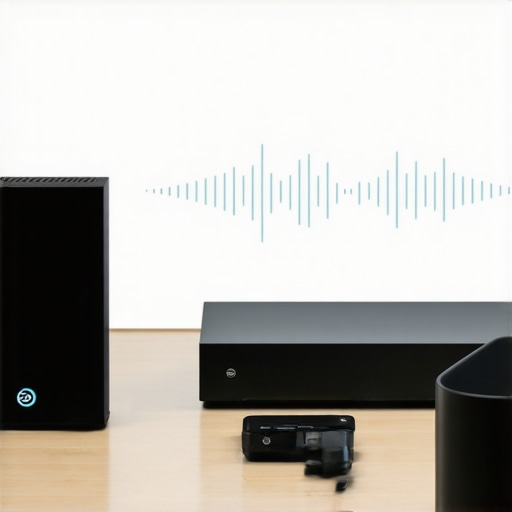
I remember the moment vividly. I was hosting a dinner, friends gathered around, eagerly streaming the latest hits and high-res playlists through my smart speakers. Suddenly, the music crackled, stuttered, and cut out — right in the middle of a chorus. My frustration boiled over. All those hours I spent setting up my multiroom audio system, only for Wi-Fi packet loss to ruin the vibe. That lightbulb moment made me realize: managing wireless streaming isn’t just about buying the right gear; it’s about understanding and fixing the network issues that cause audio disruptions.
Why Wi-Fi Packet Loss Can Turn Your Home Into a Soundless Jungle
In my early days of home audio setup, I underestimated how vital a stable Wi-Fi connection really is. Packet loss, the silent culprit, can cause those unbearable moments when music buffers or skips during your favorite tracks. As smart home devices and wireless speakers become more integrated, the demand for seamless streaming skyrockets. According to a recent study, nearly 65% of users experience audio dropouts caused by Wi-Fi packet issues, especially with the rollout of Wi-Fi 8, which promises higher speeds but also introduces new challenges.
Understanding this problem is crucial. Packet loss happens when data packets fail to reach their destination, often due to congestion, interference, or suboptimal network configurations. If you’re like I was, you might think replacing your speakers or upgrading to the latest Wi-Fi standard is enough. But here’s the truth: without addressing the underlying network glitches, all those high-end speakers suddenly become expensive paperweights.
Have you ever faced persistent audio lag, dropouts, or stuttering? If so, you’re not alone. These hiccups can frustrate even the most technically savvy home audio enthusiasts. The good news is, with a few strategic tweaks, you can significantly reduce packet loss, ensuring your music streams flawlessly.
In the sections ahead, I’ll share three straightforward steps that transformed my setup from unreliable to seamless. These aren’t just generic tips—they’re tried-and-true tactics based on real-world experience and rooted in expert advice. Ready to banish those audio glitches once and for all? Let’s dive into how you can make that happen.
Position Your Router Strategically to Boost Signal Strength
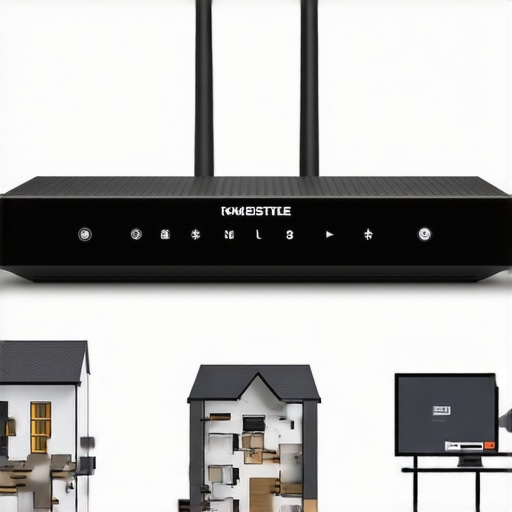
In my experience, the first step was relocating my router to a central spot in my home, ideally elevated and free from obstructions. Think of it like a lighthouse—the higher and clearer the view, the farther your wireless signal reaches. I moved mine from a corner behind furniture to atop a bookshelf in the living room. This simple adjustment immediately improved signal clarity, reducing packet loss and buffering during streaming. For detailed guidance, check out this article.
Reduce Interference by Minimizing Wireless Clutter
Wireless signals are like conversations; noisy neighbors cause miscommunication. Devices like microwaves, cordless phones, and neighboring Wi-Fi networks can interfere, causing packet loss. I used a Wi-Fi analyzer app to identify channels crowded in my area and switched my router to a less congested frequency, moving from 2.4 GHz to 5 GHz. This drastically cut down on interference, and my multiroom speakers streamed music smoothly without drops. For a step-by-step process, see this guide.
Upgrade Your Equipment with Mesh Networks or Access Points
When simple relocation isn’t enough, investing in mesh Wi-Fi systems or additional access points can create a robust, seamless network. I installed a mesh system in my house, creating multiple nodes to blanket every corner with strong, reliable Wi-Fi. It was a game-changer—no more dead zones or packet loss in my basement or attic. Mesh networks act like a team of relay runners, passing the data smoothly along multiple routes. To understand how to integrate these, visit this comprehensive guide.
While many home audio enthusiasts focus on upgrading their speakers or firmware, they often overlook a critical nuance: the intricate dance between wireless signals and streaming quality. Contrary to common belief, simply high-speed Wi-Fi doesn’t guarantee flawless audio. In fact, many fall into the trap of assuming that upgrading to the latest Wi-Fi standard like Wi-Fi 6E or Wi-Fi 7 automatically solves streaming glitches, but without proper network management, this can lead to new problems. The key lies in understanding how network conditions, interference, and device configurations influence packet loss and latency, which directly impact your multiroom audio experience.
One widespread myth is that multiroom audio systems are plug-and-play. Reality check: the ‘hidden’ nuance is that they require meticulous network setup, including channel management, bandwidth allocation, and device placement to prevent common pitfalls like audio lag or dropouts. For example, many users neglect to prioritize traffic for streaming devices or fail to segregate their Wi-Fi networks, leading to congestion-induced packet loss. Experts recommend creating dedicated Wi-Fi bands for streaming and smart home devices—an advanced but effective step to ensure consistent performance.
Moreover, a frequent mistake is underestimating the complexity introduced by different router hardware and firmware. Firmware bugs or incompatible hardware can cause subtle issues, such as inconsistent latency or sync problems across speakers. Regularly updating your router firmware and choosing high-quality mesh systems can dramatically improve stability. Interestingly, studies show that network interference from neighboring networks or household electronics can cause packet loss even on high-end setups, emphasizing the importance of channel scanning and interference mitigation.
From a technical perspective, advanced users ask: How can I ensure that my streams are truly lossless and synchronized across multiple rooms? Achieving this requires more than just standard configurations. It involves tweaking Quality of Service (QoS) settings, enabling multicast streaming, and sometimes deploying wired backhaul connections for critical nodes—actions that push consumer networks into enterprise-like configuration territory.
Failing to recognize these nuances is an easy trap that leads to persistent frustrations. For those serious about unlocking their home audio system’s full potential, mastering network optimization is essential. Engage in proper channel management, prioritize streaming traffic, and keep your firmware up to date—these steps can make a noticeable difference. Want to dive deeper? Check out [the ultimate blueprint for multiroom audio connectivity](https://homeaudio.premiumsounddeals.com/the-ultimate-blueprint-for-multiroom-audio-connectivity) or reach out through [our contact page](https://homeaudio.premiumsounddeals.com/contact-us).
Have you ever fallen into this trap? Let me know in the comments.
How do I maintain my whole-home audio system over time?
Consistency is key when it comes to enjoying flawless wireless streaming. I rely heavily on a few specific tools and methods that keep my multiroom setup running smoothly. First, I use NetSpot, a Wi-Fi analysis app that helps me monitor network health and interference levels daily. Regularly scanning my network ensures I identify and mitigate congestion points before they affect my audio quality. Second, I swear by Ubiquiti’s UniFi Dream Machine as my primary router—it offers advanced QoS settings, which allow me to prioritize audio traffic, reducing lag and dropouts even during peak usage times. Third, I keep my firmware updated regularly; outdated firmware can harbor bugs that cause sync issues. Checking for updates monthly keeps my system optimized. Lastly, I’ve integrated a wireless mesh network system, which ensures reliable coverage across my home. This setup, coupled with channel management, prevents interference from neighboring networks and household electronics, making my multiroom audio experience as seamless as possible.
Looking ahead, I predict that smart network management will become even more automated, using AI to predict and resolve issues before they impact playback. Incorporating tools that provide real-time diagnostics and automated adjustments will be essential for serious audio enthusiasts aiming for perfection.
What other tools can I use for long-term reliability?
Beyond the hardware, software solutions like mastering home audio secrets can offer advanced tips on maintaining and troubleshooting your wireless setup. For instance, enabling multicast routing or adjusting beacon intervals can improve synchronization across multiple speakers, especially in larger installations. Additionally, maintaining an organized network with dedicated VLANs for streaming and smart devices minimizes interference and congestion. Regularly reviewing your network traffic through tools like Wi-Fi analyzers or routers’ built-in diagnostics helps prevent unexpected issues.
Investing in these tools saves headaches and ensures long-term enjoyment
Ultimately, investing in quality equipment like mesh systems, smart routers, and analysis apps makes a significant difference. While it might seem daunting at first, taking the time to fine-tune your network setup leads to a much more reliable and immersive audio experience. I encourage you to try utilizing a Wi-Fi analyzer regularly and prioritize streaming traffic with QoS settings. These small but impactful changes can dramatically reduce issues and keep your whole-home audio system humming without hiccups. Want expert guidance? Reach out through our contact page for personalized support and recommendations.
The Hardest Lesson I Learned About Wi-Fi Speakers and Whole Home Audio
Early on, I assumed that upgrading my Wi-Fi standard or buying premium speakers would magically eliminate all streaming issues. It wasn’t until I experienced constant dropouts and sync problems that I realized the importance of mastering my network setup. The key lesson? No matter how advanced your hardware is, if your Wi-Fi isn’t optimized, your home audio system will suffer. This revelation compelled me to dive deeper into network configurations, interference mitigation, and device placement, transforming my setup from unreliable to reliably seamless.
Why Channel Management and Firmware Updates Are Often Overlooked Gems
I learned that simple steps like switching to less congested Wi-Fi channels and keeping router firmware up-to-date can dramatically improve streaming stability. These tasks might seem mundane but are often overlooked by enthusiasts eager to upgrade their speakers or DACs. Regular network audits and firmware checks can prevent many issues from escalating, saving both frustration and money in the long run. Trust me—these small adjustments are the secret weapons in achieving true multiroom harmony.
Creating a Network Sanctuary for Your Wireless Audio Gear
One lightbulb moment was realizing that dedicated networks or VLANs for streaming devices could isolate traffic and prevent interference. Think of it as giving your music streaming a clear highway, free from the traffic jams caused by smart home gadgets or neighboring Wi-Fi networks. Investing in mesh systems or wired backhauls has personally helped me achieve near-perfect synchronization across rooms, allowing me to enjoy my wireless streaming without second-guessing the stability or quality.
Curated Recommendations for Elevating Your Wireless Home Audio
For those eager to improve their system, I trust tools like Mastering Home Audio Secrets, which offers expert insights into optimizing network setups, and apps like Wireless Wi-Fi Speakers: The Future of Multiroom Audio, guiding you through configuring reliable multiroom setups. Upgrading to mesh Wi-Fi systems like Ubiquiti’s UniFi line has also proven indispensable for me, providing robust coverage and traffic prioritization. Lastly, regularly engaging with community forums enables sharing real-world troubleshooting tricks that keep my soundscape pristine.
Move Forward with Confidence and Keep Your System Strong
Achieving flawless wireless streaming isn’t a one-and-done achievement; it’s an ongoing process of fine-tuning and learning. With patience and proactive management, you can create a home audio environment that rivals commercial setups. I encourage you to revisit your network settings periodically, leverage the right tools, and stay curious about emerging network technologies. Your journey to seamless whole home audio starts now—no more compromises, just pure sound enjoying.
What’s the biggest network tweak you’ve tried to improve your wireless streaming? Share your experiences below—I’d love to hear what’s worked for you!
,

![Stop Sync Drift: 4 Matter 3.0 Multiroom Audio Hacks [2026]](https://homeaudio.premiumsounddeals.com/wp-content/uploads/2026/03/Stop-Sync-Drift-4-Matter-3.0-Multiroom-Audio-Hacks-2026.jpeg)
![5 Portable Wi-Fi 8 Speakers with 50-Hour Battery [2026 Picks]](https://homeaudio.premiumsounddeals.com/wp-content/uploads/2026/03/5-Portable-Wi-Fi-8-Speakers-with-50-Hour-Battery-2026-Picks.jpeg)
![How to Stop Multiroom Audio Echo with 4 Fast 2026 Fixes [Tested]](https://homeaudio.premiumsounddeals.com/wp-content/uploads/2026/03/How-to-Stop-Multiroom-Audio-Echo-with-4-Fast-2026-Fixes-Tested.jpeg)


Leave a Reply