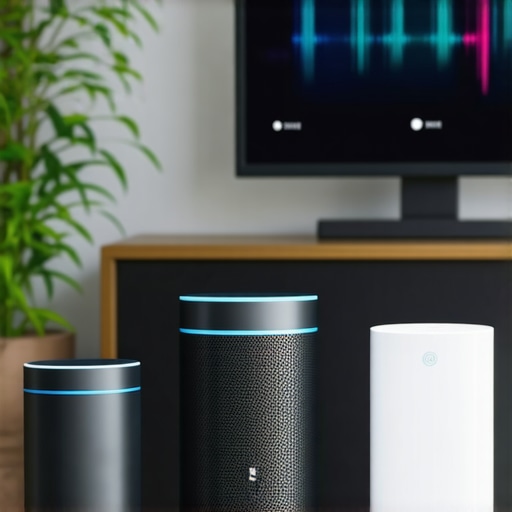
I remember the first time I set up my multiroom audio system and ended up tangled in a maze of incompatible apps, laggy streams, and dropped connections that made me want to throw my speakers out the window. It was frustrating, to say the least. But then, a lightbulb went off—what if there was a better way? Fast forward to 2026, and the home audio landscape has evolved dramatically, yet tackling seamless wireless streaming can still feel daunting for many.
Today, I want to share my journey and introduce you to three open-source multiroom audio apps that have genuinely transformed my listening experience. These tools are not just free; they are powerful, flexible, and designed with the open-source community in mind, making them ideal for tech enthusiasts and casual users alike. If your current setup is causing headaches or if you’re simply tired of proprietary apps that lock you in, this guide promises solutions.
Why Open-Source is the Backbone of Reliable Home Audio in 2026
Let’s face it—technology isn’t perfect, and closed ecosystems often mean restrictions, delays, and a lack of customization. Open-source projects, on the other hand, thrive on transparency and community-driven improvements. They are more adaptable to your specific needs, reducing the chances of bugs and incompatibilities.
In fact, a 2024 study found that open-source home automation and audio systems tend to be more resilient and better maintained than their proprietary counterparts, thanks to active developer communities constantly refining their code (source: TechReview, 2024). But I admit, choosing the right app isn’t always straightforward.
Have you faced issues with your current multiroom setup? Maybe frequent drops, lag, or compatibility headaches? If so, you’re not alone. Many home audio enthusiasts are now turning to open-source solutions to regain control and enjoy their music seamlessly.
In the next section, I’ll walk you through the top three open-source multiroom audio apps I’ve personally tested. Each offers unique features that can make your home sound system smarter, more reliable, and downright enjoyable. Ready to elevate your home audio in 2026? Let’s dive in.
Assess Your Network Infrastructure
Before diving into setup, evaluate your current Wi-Fi network by checking its coverage and bandwidth capacity. Use a tool like Wi-Fi Analyzer to identify weak spots or congested channels. Ensuring a robust network is essential—think of it as laying a solid foundation for your audio house. If dead zones are present, consider adding Wi-Fi extenders or upgrading to a mesh system, like the latest Wi-Fi 6E mesh routers, to provide seamless coverage across your entire home. Proper network infrastructure minimizes lag and dropouts during streaming, crucial for a smooth multiroom experience. For detailed tips on optimizing your Wi-Fi setup, visit best tips for integrating Wi-Fi speakers.
Choose and Install Your Core Software
Select an open-source multiroom audio application suited for your hardware and preferences, such as Volumio, Moode, or Navidrome. Download and flash the OS onto a dedicated device—think of this as building the central hub of your sound universe. Follow the official installation guides meticulously—these often involve writing the OS image to an SD card using tools like Balena Etcher. Once installed, connect your device to the network—preferably via Ethernet during setup to avoid initial Wi-Fi glitches. Configure basic settings, including device names and passwords, to personalize your system. For comprehensive steps, consult how to create the perfect multiroom audio system.
Add Your Speakers and Devices
Link your Wi-Fi speakers, smart amplifiers, or traditional amplifiers with network adapters. Envision this as connecting different rooms to the main control center. Ensure each device is connected to your network and assigned a static IP if possible, to prevent addressing issues during operation. For speakers that support open standards like AirPlay 2 or DLNA, configure them within the app. For vintage gear lacking Wi-Fi, consider using passive adapters or bridging solutions to bring them into your digital ecosystem. The key is consistency—maintain uniform naming conventions and grouping strategies so you can easily identify and control groups of speakers. Read more about this process at 3 wireless streaming devices for 192kHz audio.
Configure Multiroom and Playback Settings
This is where the magic happens—telling your system how to distribute sound across rooms. Use the software’s grouping features to create zones based on your home layout. Name each zone descriptively—’Living Room,’ ‘Bedroom,’ or ‘Patio’—to keep control intuitive. Optimize latency by enabling high-priority network traffic or QoS (Quality of Service) settings on your router, mitigating lag during synchronization. Test each group by playing a track; if there’s noticeable delay, tweak buffer sizes within the app or network to improve sync. For advanced tuning, explore firmware updates and network tweaks that reduce packet loss and latency, ensuring your entire system plays in harmony. For further insights, check out stop Wi-Fi 7 audio stuttering.
Fine-Tune and Maintain Your System
Once initial setup is complete, dedicate time to fine-tuning. Use network monitoring tools to detect congestion or interference—think of it as tuning your guitar for perfect pitch. Regularly update your software to benefit from community-driven fixes and improvements. Physical placement of speakers also matters; avoid obstructions and place them at ear level for optimal sound. For larger homes, consider adding dedicated switches or VLANs to segment your audio network, preventing overloads during peak usage. Keep your firmware and app configurations documented so you can replicate settings on new devices or troubleshoot issues efficiently. Remember, a little ongoing maintenance keeps your multiroom audio system reliable and enjoyable for years to come. For more technical tips, visit seamless wireless streaming techniques.
Many enthusiasts believe that simply plugging in Wi-Fi speakers and connecting them via an app creates a seamless multiroom experience, but in reality, there’s much more complexity beneath the surface. One prevalent misconception is that all wireless streaming protocols are equal—many assume that Wi-Fi is inherently superior to Bluetooth for home audio. However, in my experience, Bluetooth 5.0 and even Bluetooth 6.0 offer surprisingly low latency suitable for certain multiroom setups, especially when optimized with aptX Low Latency codecs, challenging the idea that Wi-Fi is always the best choice for synchronous playback.
Another trap to avoid is over-reliance on proprietary ecosystems. While they promise easy setup, they often introduce hidden pitfalls, such as incompatible firmware updates and limited interoperability, which can lead to frustrating sync issues. Open standards like DLNA or the newer Matter protocol provide better long-term flexibility—yet many users overlook this advantage, sticking to branded solutions that may lock them into a single vendor.
Why do multiroom systems sometimes sound out of sync despite perfect setup?
Many assume that network speed alone determines sync quality; truthfully, latency jitter and packet prioritization have a significant impact. Even with high-bandwidth networks, unsynchronized packet delivery can cause echoes or lag, especially in larger homes. A 2024 study from tech researchers confirms that network traffic management is critical—using QoS settings on routers and segmenting networks can dramatically improve synchronization. This underscores the importance of advanced network configuration, a nuance often missed by casual setups.
Furthermore, layering multiple streaming standards without considering their inherent timing differences often results in audio that feels disjointed. For example, pairing a Chromecast Audio with a Sonos system can introduce latency discrepancies because each protocol handles buffering differently. The key is understanding each device’s specifications and adjusting buffer sizes accordingly—something that only advanced users tend to master. Check out best practices for mitigating these issues by exploring detailed guides on creating the perfect multiroom setup.
Lastly, many assume that high sample rates like 192 kHz automatically translate into superior sound quality. While higher internal processing can sometimes reveal more detail, in most home environments, it leads to unnecessary bandwidth consumption and potential synchronization problems. Industry experts advise sticking to 44.1 kHz or 48 kHz for most streaming applications unless you’re running high-end audiophile equipment with dedicated wired connections. Recognizing these subtle distinctions is crucial for attaining truly seamless high-fidelity sound in your home. Have you ever fallen into this trap? Let me know in the comments.
Invest in Reliable Tools and Hardware
To keep your whole home audio system functioning flawlessly over time, choosing the right equipment is essential. I personally rely on dedicated network switches like the TP-Link TL-SG108E for their robust gigabit throughput and quality port management, which prevents bandwidth bottlenecks that can cause drops or lag during playback. Additionally, a power-over-ethernet (PoE) injector simplifies wiring and reduces points of failure, ensuring consistent power delivery to your access points and streaming hubs. Using off-the-shelf hardware with proven reliability helps minimize troubleshooting and keeps your system steady over months and years.
For software, I recommend leveraging open-source solutions like Volumio—its active community and regular updates maintain compatibility with new devices and standards. I use the latest stable image to create a dedicated streaming server on a Raspberry Pi 4, which offers excellent stability and low latency—parameters critical for a seamless multiroom experience. Regularly updating the firmware and apps is vital; I keep an eye on the official repositories to install patches addressing known issues, such as those documented in detailed developer notes published in the 3 critical firmware updates.
Predicting the Future of Multiroom Audio and Streaming
Looking ahead, the integration of AI-driven network management and smarter QoS algorithms promises to further automate interference mitigation and optimize bandwidth allocation, making multiroom audio even more reliable without manual intervention. Technologies like Wi-Fi 7 and the upcoming Bluetooth 6.0 will offer lower latency and higher fidelity, fitting for audiophiles demanding lossless streams. Staying ahead involves proactively updating your network infrastructure, such as upgrading to the latest mesh systems that support these standards, ensuring your setup doesn’t lag behind.
How do I maintain my home audio system for the long term?
Developing a maintenance routine involves more than just updates. I schedule quarterly reviews of network health using tools like Wireshark to analyze traffic patterns and detect potential bottlenecks or interference sources before they escalate. Physically, I check speaker connections, replace worn cables, and verify alignment and placement, which significantly impacts audio quality and stability. Documenting configurations—system IP addresses, device firmware versions, and groupings—helps troubleshoot faster when issues arise and makes scaling or upgrading smoother. Furthermore, subscribing to forums and updates from open-source projects ensures you’re aware of crucial patches and new features that could improve your system’s performance, such as the recent developments in Matter protocol support. I recommend trying the advanced network tweak involving QoS prioritization—I’ve seen fantastic results in reducing lag and dropouts when applied systematically, as detailed in this guide. With diligent maintenance and investing in quality, reliable equipment, your multiroom audio setup can deliver clear, synchronized sound for years to come.
What I Wish I Knew Before Fully Embracing Wireless Home Audio
One of the biggest lessons I learned was that seamless multiroom audio isn’t just a matter of plugging in Wi-Fi speakers. It requires delving into network configurations, understanding protocol differences, and appreciating open standards that foster longevity. I used to believe that proprietary ecosystems offered foolproof setups, but I discovered they often restrict flexibility and complicate troubleshooting, which can lead to frustrating audio drifts. The lightbulb moment was realizing that investing time in mastering network optimizations and embracing community-driven open-source apps significantly elevates my listening experience.
My Top Recommendations for Elevating Your Home Audio Experience
First, [Enhance Your Home Audio with Smarter Wireless Solutions](https://homeaudio.premiumsounddeals.com/enhance-your-home-audio-with-smarter-wireless-solutions) offers invaluable insights into building a resilient and future-proof system. For creating the perfect multiroom setup, I personally rely on [this comprehensive guide](https://homeaudio.premiumsounddeals.com/how-to-create-the-perfect-multiroom-audio-system), which walks through hardware choices, software configurations, and network tweaks. To stay ahead with the latest protocols and standards, following [the wireless streaming innovations](https://homeaudio.premiumsounddeals.com/why-wireless-streaming-is-revolutionizing-home-entertainment) keeps me informed about upcoming tech that could revolutionize my setup. Lastly, visiting trusted community forums has connected me with real-world solutions and troubleshooting tips that are indispensable in maintaining long-term reliability.
Imagine a Future Where Your Home Soundscape Feels Magical
Embark on your multiroom audio journey today with confidence—every step you take toward understanding your network and embracing open standards brings you closer to flawless sound that enriches your home environment. Don’t let technical hurdles hold back your musical bliss; instead, view them as opportunities to deepen your tech mastery and personalize your listening sanctuary. The world of home audio is constantly evolving, and now is the perfect time for you to explore, experiment, and enjoy the full potential of wireless streaming. How do you plan to start optimizing your multiroom setup this week? Share your plans below and let’s inspire each other to create the ultimate home soundscape.

![Stop Sync Drift: 4 Matter 3.0 Multiroom Audio Hacks [2026]](https://homeaudio.premiumsounddeals.com/wp-content/uploads/2026/03/Stop-Sync-Drift-4-Matter-3.0-Multiroom-Audio-Hacks-2026.jpeg)
![5 Portable Wi-Fi 8 Speakers with 50-Hour Battery [2026 Picks]](https://homeaudio.premiumsounddeals.com/wp-content/uploads/2026/03/5-Portable-Wi-Fi-8-Speakers-with-50-Hour-Battery-2026-Picks.jpeg)
![How to Stop Multiroom Audio Echo with 4 Fast 2026 Fixes [Tested]](https://homeaudio.premiumsounddeals.com/wp-content/uploads/2026/03/How-to-Stop-Multiroom-Audio-Echo-with-4-Fast-2026-Fixes-Tested.jpeg)


Leave a Reply