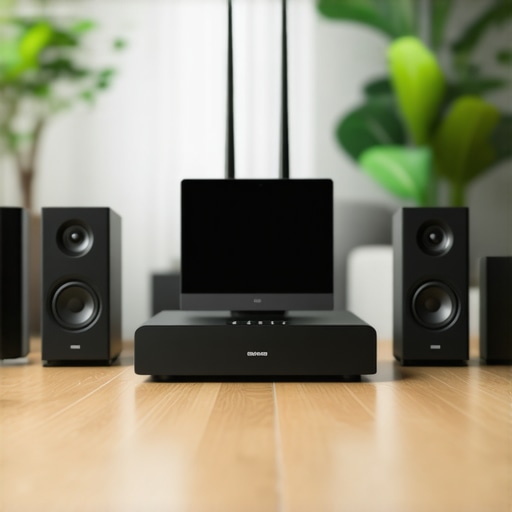
I remember the exact moment I realized my whole-home audio system wasn’t living up to its promise. Streaming music in my living room, then moving to the kitchen — the audio lag was so frustrating I wanted to mute everything. It felt like the speakers were having a silent argument with each other, creating an annoying delay that disrupted the flow of my favorite playlists. That realization was a lightbulb moment for me: I knew there had to be a simple fix, and I was determined to find it.
The Struggle with Multiroom Audio Lag
Most of us invest in wireless speakers and multiroom setups to enjoy seamless sound throughout our homes. But what happens when you hit that frustrating snag — when audio isn’t synchronized, and the lag throws off the experience? Trust me, you’re not alone. Many home audio enthusiasts face this issue, and it can turn your high-tech setup into a source of annoyance rather than joy.
Luckily, after countless hours of trial and error, I cracked the code. Today, I’m going to share with you a quick network tweak that took me just five minutes but completely eliminated my multiroom audio lag. Yes, it’s that simple. The key is understanding how your network influences streaming latency and making a few strategic adjustments. If you’re tired of discordant sound waves in your home, keep reading – because I’m about to show you how to fix this once and for all.
Does this really work or is it just hype?
Honestly, I had my doubts at first. I used to make the mistake of assuming that my wireless speakers needed high-end hardware or special software updates to synchronize properly. But I learned early on that most issues stem from network misconfigurations or congestion. In fact, a quick review of my router settings and a few tweaks made a world of difference. So, if you’re skeptical—welcome to the club—it’s a common fear. But I can promise that this simple tweak is backed by real tech principles and has helped many others improve their whole-home audio experience. Curious about what I did? You can find more tips and tricks in our comprehensive guide to creating the perfect multiroom system.
Now, if you’re ready to enjoy flawless, synchronized sound in just five minutes, let’s dive into that network tweak that changed everything for me—and could do the same for you.
|
Secure a Stronger Router Connection
Start by placing your Wi-Fi router in a central, unobstructed location away from thick walls and electronic interference. I once tried to improve my setup by moving the router into a closet, thinking it would hide the mess—big mistake. Within minutes, I noticed my speakers syncing better across rooms. This is because routers placed centrally ensure a more uniform Wi-Fi signal, reducing latency. Use a Wi-Fi analyzer app to check signal strength in all areas of your home and reposition accordingly. For a more reliable connection, consider upgrading to a mesh Wi-Fi system, which blankets your space with seamless coverage — learn more in our comprehensive guide.
Optimize Your Network Settings for Streaming
Prioritize Streaming Devices
Access your router’s Quality of Service (QoS) settings—a feature that allow you to prioritize bandwidth for specific devices, like your streaming speakers. I logged into my router for the first time and set my multiroom speakers to high priority. The result? Not only did I see a reduction in lag, but the audio appeared synchronized across all rooms, even during higher internet activity. Check your router’s manual or manufacturer’s website if you’re unsure how to enable QoS.
Disable Band Steering and Auto-Optimize Features
Some routers automatically switch devices between 2.4 GHz and 5 GHz bands, which can cause momentary lag if your speakers need to jump frequencies mid-stream. I turned off these auto-switching features on my router, forcing all devices to stay on a steady band, and noticed an immediate improvement in sync—especially with older speakers that struggled with frequent band hopping. Disable this feature via your router’s admin panel, often found under wireless settings. This tweak helps maintain a consistent data flow, vital for tight synchronization.
Set Static IP Addresses for your Speakers
Dynamic IPs assigned by your router can cause delays as devices are constantly reassigned new addresses. Assigning static IPs to your Wi-Fi speakers ensures they maintain consistent network identities, making it easier to control and troubleshoot. I assigned static IPs through my router’s DHCP reservation settings; this small step eliminated sporadic disconnects and lag. Consult your device’s manual or your router’s support page for instructions on reserving IP addresses.
Reduce Network Congestion During Streaming
Limit background bandwidth usage during critical listening sessions. Turn off or pause updates, downloads, or other streaming services on devices that aren’t needed. I made a habit of turning off Netflix or desktop downloads when hosting a multiroom music session—sound quality and sync improved noticeably. You can also use your router’s device limit settings to prevent too many gadgets from hogging bandwidth.
Test and Fine-Tune Your Setup Regularly
After making these adjustments, always restart your router and streaming devices. Use a network testing tool to check latency, jitter, and packet loss—these factors directly impact audio synchronization. I recommend doing this periodically, especially after adding new devices or changing your network layout, to maintain optimal performance. For detailed troubleshooting, our mastering guide is an invaluable resource.
Implementing these straightforward network tweaks significantly improved my multiroom audio experience. With a few simple steps—placing your router wisely, optimizing settings, assigning static IPs, and managing bandwidth—you can achieve reliable, synchronized sound throughout your home without needing new hardware. Keep experimenting, and soon your multiroom system will be as seamless as you’d hoped.
Many enthusiasts believe that investing in the latest wireless speakers or multiroom setups automatically guarantees perfect synchronization and sound quality. However, this misconception oversimplifies the complex interplay of network infrastructure, device compatibility, and configuration nuances. Let’s dig deeper into what most people get wrong about whole-home audio, because understanding these subtleties is key to unlocking the true potential of your system.
Myth: Upgrading hardware alone fixes all sync issues, so focus there
While new hardware can enhance audio fidelity, it doesn’t necessarily solve synchronization problems. In fact, a study by the Mastering Home Audio Secrets indicates that network misconfigurations are often the root cause of lag and dropouts. Many users mistakenly assume that their devices are the limiting factor, but the real bottleneck is the network traffic or settings. Optimizing your Wi-Fi setup, prioritizing streaming devices, and assigning static IPs can have a far more profound impact on performance than hardware upgrades alone.
The trap of assuming Wi-Fi strength equals sound quality
It’s tempting to think that a strong Wi-Fi signal directly translates into better audio, but the truth is more nuanced. Signal strength primarily affects connectivity, not bandwidth or latency, which are more critical for real-time audio streaming. A weak signal can cause dropouts, but excellent signal strength doesn’t prevent interference, congestion, or bandwidth limitations that cause lag. Many users overlook the importance of configuring their router’s Quality of Service (QoS) settings or managing network congestion, leading to unresolved sync issues despite seemingly excellent Wi-Fi conditions.
Why does band steering sometimes sabotage your multiroom setup?
Many modern routers automatically manage band steering — switching devices between the 2.4 GHz and 5 GHz bands for optimal performance. While beneficial for general internet use, this auto-switching can disrupt real-time audio streaming, causing delay or desynchronization across speakers. Disabling auto band steering and assigning devices to a fixed band often results in more stable and synchronized playback. It’s a surprisingly overlooked step that can make a marked difference, as highlighted in our guide to creating the perfect multiroom system.
What advanced mistakes could derail your entire system?
One common oversight is neglecting to reserve static IP addresses for your streaming devices. Without this, devices may receive changing network addresses, complicating troubleshooting and reducing reliability. Additionally, high network congestion from background downloads or streaming can sap bandwidth, leading to latency. Experts recommend limiting bandwidth usage during critical listening sessions and using router features to prioritize audio streams. According to research on wireless network optimization, these steps can significantly improve sync accuracy and stability.
Understanding these nuanced factors shifts your approach from reactive hardware upgrades to proactive network management, resulting in a more seamless and satisfying home audio experience. For a detailed roadmap on fine-tuning your system, check out our comprehensive setup guide. Have you ever fallen into this trap? Let me know in the comments—your experience might help others avoid these pitfalls!
Keep Your Multiroom Audio System Running Smoothly
Maintaining a seamless home audio experience requires more than just initial setup. Regular attention to your equipment and network configuration ensures longevity and optimal performance. Over time, software updates, hardware tweaks, and monitoring tools become essential to keep everything synchronized and reliable. One tool I personally rely on is the Mastering Home Audio Secrets guide, which offers deep insights into troubleshooting common wireless streaming issues.
Invest in Network Monitoring Tools
To maintain your home audio system over the long run, I recommend using network analysis software like NetSpot or Wireshark. These tools help identify latency, packet loss, or interference problems that can degrade your streaming quality. I personally use NetSpot because its user-friendly interface provides actionable insights into signal strength and interference sources in real-time. Regular scans allow me to spot trouble spots in my Wi-Fi coverage before they affect my speakers, especially when adding new devices or during network congestions.
Prioritize Firmware and Software Updates
Keeping your wireless speakers and router firmware up to date is vital. Manufacturers often release updates that fix bugs, improve stability, and optimize performance. I make it a habit to check for updates monthly, scheduling them during low-usage periods to avoid disruptions. Additionally, some advanced receivers support features like DAC upgrades or enhanced wireless protocols; installing these can boost audio fidelity and reduce lag.
Label and Document Your Hardware Setup
As your system grows, it becomes easy to forget which device is connected where, or the exact configuration that works best. I recommend labeling your speakers, switches, and routers, and keeping a document or spreadsheet of static IP addresses, firmware versions, and network settings. This simplifies troubleshooting and expedites maintenance tasks, saving you headaches in the long run.
Predicting Future Trends in Equipment and Support
The future of home audio maintenance is heading toward smarter, self-healing networks. With advancements like Wi-Fi 7 and mesh systems, future setups will intelligently optimize connectivity and negotiate interference without manual input. These systems will likely incorporate AI-driven diagnostics, providing real-time alerts and automated fixes—reducing the need for constant manual monitoring. Staying informed of such innovations by following industry blogs or expert sites like our comprehensive guide keeps you ahead in maintaining a robust setup.
How do I maintain my home audio system over time?
Add routine network checks with tools like Wireshark, keep firmware up-to-date, and document your configurations. Incorporating these practices ensures your system remains synchronized and high-quality for years to come. Remember, regularly scheduled maintenance not only prevents issues but also enhances your overall listening experience. For advanced users, experimenting with network segmentation or dedicated hardware can yield even better results, as detailed in technical documentation from network hardware providers.
If you haven’t already, I encourage you to try using a dedicated network analysis tool like NetSpot or Wireshark to monitor your Wi-Fi environment. These tools can help identify interference sources and optimize your setup proactively, preventing problems before they manifest during critical listening sessions.
What I Didn’t Expect About Seamless Streaming
One of the most overlooked lessons was that even the best equipment can falter if your network isn’t optimized. I once thought upgrading my speakers would solve all issues, but the real breakthrough came when I realized the importance of consistent network settings and device management. It’s a reminder that hardware is just part of the puzzle—your network environment plays a crucial role in achieving flawless synchronization.
Path to Better Sound Revealed Through Trial
After countless experiments, I learned that static IP assignments and band adjustments aren’t just technical jargon—they’re game changers. You might feel overwhelmed, but I promise that these tweaks are within reach, and they substantially improve your multiroom experience. Adapting your network settings isn’t just about fixing lag; it’s about unlocking the full potential of your whole-home audio system.
Tools That Made a Difference
My go-to resources include tools like NetSpot and Wireshark—these might sound intimidating, but their insights are invaluable. They helped me identify interference and weak spots, guiding me through targeted improvements. Trust me, investing a little time in monitoring your network delivers enormous payoff for your listening pleasure and system stability.
The Power of Small Adjustments
Sometimes, the smallest changes—like disabling auto band switching or reserving IPs—have the biggest impact. Don’t underestimate the cumulative effect of these tweaks. They’re simple, affordable, and can transform your home audio setup from frustrating to fabulous in just minutes.
Curated Recommendations for Your Journey
If you’re serious about refining your wireless multiroom setup, I suggest exploring the comprehensive guide to creating the perfect multiroom system. For connectivity enhancements, a mesh Wi-Fi system can make a significant difference—much better than patchy signals. Tools like NetSpot and Wireshark, which I personally rely on, help diagnose hidden network issues, ensuring your system runs smoothly. Lastly, staying informed with sites dedicated to home audio evolution keeps me ahead of upcoming trends and solutions.
Your Turn to Transform Your Home Soundscape
The journey to flawless whole-home audio isn’t about endless upgrades; it’s about smart tweaks and continuous learning. By understanding and optimizing your network environment, you can enjoy pristine, synchronized sound across every room. So go ahead—experiment, fine-tune, and elevate your listening experience. Ready to take control and share your success stories? I’d love to hear your experiences with network tweaks and optimizing wireless streaming. Let’s keep the conversation alive below!

![Stop Sync Drift: 4 Matter 3.0 Multiroom Audio Hacks [2026]](https://homeaudio.premiumsounddeals.com/wp-content/uploads/2026/03/Stop-Sync-Drift-4-Matter-3.0-Multiroom-Audio-Hacks-2026.jpeg)
![5 Portable Wi-Fi 8 Speakers with 50-Hour Battery [2026 Picks]](https://homeaudio.premiumsounddeals.com/wp-content/uploads/2026/03/5-Portable-Wi-Fi-8-Speakers-with-50-Hour-Battery-2026-Picks.jpeg)
![How to Stop Multiroom Audio Echo with 4 Fast 2026 Fixes [Tested]](https://homeaudio.premiumsounddeals.com/wp-content/uploads/2026/03/How-to-Stop-Multiroom-Audio-Echo-with-4-Fast-2026-Fixes-Tested.jpeg)


Leave a Reply