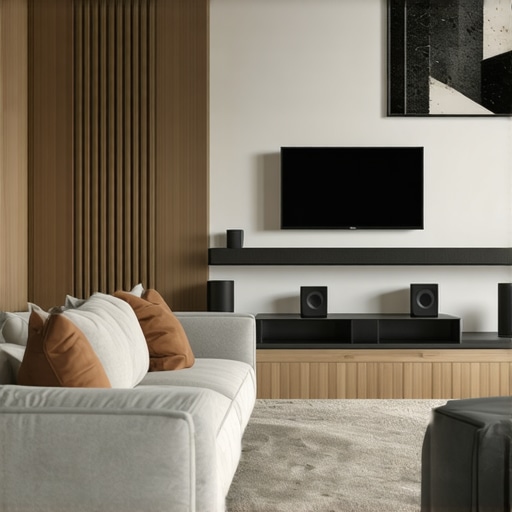
It was late evening, and I was sprawled out on my couch, eager to unwind with my favorite playlist. But suddenly, my wireless speakers started dropping out, skipping tracks, and the sound became a frustrating echo of what I had expected. I remember thinking, “Why has this become so complicated?” That moment was a real lightbulb for me. I realized that setting up a seamless multiroom audio system isn’t just about buying the latest gadgets; it’s about understanding how all the pieces connect and communicate effortlessly. If you’ve ever been there—struggling with inconsistent sound, tangled wires, or conflicting apps—you’re not alone. Today, I want to share my journey from those frustrating moments to creating a smooth, integrated home audio setup that just works.
Why a Thoughtful Home Audio Setup Makes All the Difference
Imagine walking into a room and hearing crystal-clear music perfectly synchronized across all your speakers. Feels good, right? The truth is, many of us invest in high-quality speakers or smart devices without a proper plan. And that’s where the trouble begins. Wireless streaming is revolutionary, giving us the freedom to listen practically anywhere in our homes, but only if the system is configured correctly. A well-designed multiroom setup enhances your lifestyle—whether you’re hosting friends, relaxing alone, or trying to keep the kids entertained. Studies even suggest that quality audio can positively impact mood and concentration (source: Psychology Today). Yet, many first-timers make simple mistakes—like ignoring Wi-Fi interference or mismatched devices—that sabotage their plans.
Have you faced issues where your speakers just won’t play in sync? Or maybe the sound drops when you walk to another room? If so, you’re not alone—and the good news is, those problems are fixable.
In this post, I’ll guide you through proven strategies to set up a reliable, high-performance home audio system that truly elevates your environment. No more frustrating audio dropouts or complicated controls; just pure, seamless sound flowing throughout your space. Ready to upgrade your listening experience? Let’s dive into how to create a multiroom system that works for you—without the headache.
For detailed insights, you might want to check out the comprehensive guide on creating the perfect multiroom audio system. It’s packed with tips to help you avoid common pitfalls and get the most out of your wireless setup. Now, let’s get started with understanding what makes a successful home audio network tick — and how to build it.
Optimize Your Wi-Fi Network for Audio Streaming
Start by assessing your current Wi-Fi setup. For smooth multiroom audio, your network must support multiple devices without lag. Position your router in a central location, away from interference like microwaves or thick walls. Consider upgrading to a dual-band router that supports 5GHz bands, which offer less congestion and better speeds. Use a Wi-Fi analyzer app to identify dead zones and channels with minimal interference.
Choose the Right Wireless Speakers
Select speakers that support reliable wireless protocols such as Wi-Fi Direct or proprietary multiroom standards. Look for devices compatible with your existing ecosystem. For example, if you use Amazon Alexa or Google Assistant, opt for speakers that seamlessly integrate. Check the specifications for bandwidth requirements and ensure they handle high-quality streaming to avoid audio degradation.
Set Up a Dedicated Wireless Network
To prevent congestion, create a separate Wi-Fi network specifically for your audio devices. This isolates streaming traffic from your main internet usage, reducing dropouts. Configure the network with a strong password and enable Quality of Service (QoS) features to prioritize audio traffic. This setup improves stability and ensures your music plays without interruptions.
Configure Your Multiroom System
Connect each speaker to the dedicated Wi-Fi network. Use the manufacturer’s app to assign speakers to zones—such as living room, bedroom, or kitchen—and test connectivity. Ensure all devices are updated with the latest firmware to benefit from performance improvements. Group the speakers and test playback to confirm synchronization. During this process, I once faced a situation where a speaker kept dropping out. A quick firmware update and repositioning of the device solved the problem, illustrating the importance of keeping hardware current.
Fine-Tune for Sound Quality and Sync
Adjust the settings within your app for optimal performance. Enable features like auto-calibration or room correction if available. Use a wired Ethernet connection for your router where possible—this can significantly improve overall stability. Additionally, placing speakers away from metallic objects or electronic devices reduces interference. For instance, I placed a speaker too close to a microwave, which caused noticeable audio dropouts. Moving it a few feet away cleared the issue.
Test and Troubleshoot Common Issues
Regularly check for latency or sync issues, especially when adding new devices. If you experience lag, reconfigure your network or restart your router. For persistent problems, consider powerline adapters or mesh Wi-Fi systems to bolster coverage. Remember, the goal is to keep the wireless environment as clean and interference-free as possible. I once expanded my mesh system, and the improved coverage eliminated most of my streaming hiccups. For more detailed tips, explore the ultimate guide on multiroom Wi-Fi streaming.
When setting up wireless audio or multiroom systems, many enthusiasts assume that simply choosing the latest speakers or using default settings guarantees flawless performance. However, the real challenge lies in understanding the subtle complexities that often go unnoticed. One common myth is that all Wi-Fi networks are equal when it comes to streaming stability. In reality, many overlook the importance of network topology, interference sources, and device placement. For example, a frequent mistake is assuming that a dual-band router operating on 5GHz is always the best choice; while 5GHz offers higher speeds, it has less range and penetration, which can lead to dead zones if not carefully managed. Advanced users recognize that optimizing your network involves more than just hardware—it requires strategic placement, channel selection, and sometimes even segmenting traffic to dedicated networks for the best results.
Many think that Wi-Fi speakers are universally compatible and plug-and-play. This oversimplification can trap users into frustrating delays and sync issues. The truth is, nuances like support for specific protocols such as DLNA, AirPlay 2, or proprietary solutions can significantly impact interoperability and stability. For example, if you’re blending speakers from different ecosystems, mismatched protocols and firmware versions can cause sync problems or audio dropouts. Knowledge of these intricacies allows for more reliable setup—often detailed in cornerstone guides like creating the perfect multiroom audio system. Regular firmware updates are also critical, as outdated software can limit functionality and introduce bugs.
Make sure to avoid the trap of neglecting room acoustics and speaker placement—these ‘hidden’ factors can derail even the best network setup. Cluttered spaces, metallic objects, or electronic interference can cause unpredictable dropouts and misalignments. An advanced setup considers not only the technical specs but also physical environment. For example, placing speakers too close to microwave ovens or Wi-Fi routers can introduce interference, as I discovered firsthand when my audio unexpectedly cut out during cooking times.
### How can understanding advanced network configurations improve your whole-home audio experience?
Deep knowledge of multiroom technology enables you to design a more resilient, high-quality system. This might involve creating VLANs to separate audio traffic, deploying mesh Wi-Fi for consistent coverage, or implementing quality of service (QoS) rules that prioritize streaming data over other network usage. Such steps are essential for audiophiles or anyone seeking a reliable experience. As highlighted in the ultimate guide to wireless streaming, small network adjustments can make a big difference.
Have you ever fallen into this trap of neglecting the finer details? Let me know in the comments! Mastering these nuances ensures that your investment in high-quality speakers pays off with seamless, immersive sound that truly elevates your living space.
Invest in the Right Tools to Maintain Your System
Ensuring your multiroom audio setup remains flawless requires not just initial configuration but ongoing maintenance. I personally rely on dedicated network monitoring tools like NetSpot and Fing. NetSpot’s heatmaps help visualize Wi-Fi coverage, highlighting dead zones or interference zones that could disrupt streaming. Fing offers real-time device monitoring, so you can see if any new devices are hogging bandwidth or causing conflicts. Using these tools, I identify and troubleshoot issues proactively, preventing minor hiccups from becoming major disruptions. Regularly updating your firmware for all devices is equally crucial—vendors often release patches that fix bugs or improve stability, which is why I set auto-update alerts for my speakers and routers.
Streamline with Automated Routines and Network Segmentation
Automation makes maintenance easier. I schedule weekly reboots of my router and network switches to clear minor memory leaks or cache issues. Network segmentation, like creating a dedicated VLAN for my audio devices, isolates them from heavy internet traffic, significantly reducing latency. For example, I configured a separate VLAN for my Sonos setup, which has noticeably improved playback stability during peak hours. This approach aligns with expert advice from creating the perfect multiroom audio system, emphasizing the importance of dedicated networks for high-performance streaming.
Future-Proofing Your Setup as Technology Evolves
Technology is rapidly advancing, with Wi-Fi 6 and mesh networks becoming standards for high-density environments. Investing in a Wi-Fi 6-compatible router can future-proof your system, offering higher speeds and better device management. As more devices become capable of multi-gigabit streaming, I predict that intelligent network management, utilizing AI-driven tools, will become commonplace to optimize bandwidth dynamically. Staying ahead requires not just hardware updates but also adopting software solutions that monitor and adapt your network in real time. So, I challenge you to try implementing a VLAN for your audio zone—it’s a game-changer for maintaining seamless performance during long-term usage. For detailed guidance, check out the ultimate guide on wireless streaming.
3 Surprising Lessons I Never Expected About Multiroom Wi-Fi Speakers
One of the biggest revelations in my home audio adventure was realizing that hardware alone doesn’t guarantee seamless sound. Even premium speakers can falter if the network setup isn’t optimized. I learned that placing a Wi-Fi speaker near a microwave or thick walls can drastically reduce performance—simplicity in placement beats bells and whistles every time. Diving into advanced network configurations, like creating dedicated VLANs, opened my eyes to how much control matters. My biggest lightbulb moment? That ongoing maintenance, including firmware updates and network monitoring, is crucial for long-term success. Don’t underestimate these behind-the-scenes tweaks—they’re the secret to effortless, high-quality multiroom audio.
My Handpicked Gems for Enhancing Whole Home Sound
- NetSpot: I swear by this Wi-Fi analysis tool to identify dead zones, ensuring my mesh network covers every corner. It’s like giving my network a health check-up—essential for smooth streaming.
- Fing: This device scanner keeps an eye on bandwidth hogs, helping me troubleshoot interference and prevent dropouts before they happen. Trust me, peace of mind is priceless when you’re enjoying your favorite playlist.
- Creating the perfect multiroom audio system guide became my bible, offering insider tips on integrating equipment seamlessly. The combination of expert advice and these tools transformed my setup into a reliable, enjoyable oasis of sound.
Feeling Inspired to Elevate Your Home Audio Game
Embarking on your own wireless streaming journey might seem daunting at first, but remember: every expert was once a beginner. With patience, focus on network health, and a bit of curiosity, you can craft an immersive sound environment that truly enhances your living space. It’s not just about the tech; it’s about the joy of a perfectly coordinated, high-quality sound experience. So go ahead—tweak those settings, experiment with placements, and celebrate each small victory along the way. Your home deserves to sound as good as it looks.


![Stop Sync Drift: 4 Matter 3.0 Multiroom Audio Hacks [2026]](https://homeaudio.premiumsounddeals.com/wp-content/uploads/2026/03/Stop-Sync-Drift-4-Matter-3.0-Multiroom-Audio-Hacks-2026.jpeg)
![5 Portable Wi-Fi 8 Speakers with 50-Hour Battery [2026 Picks]](https://homeaudio.premiumsounddeals.com/wp-content/uploads/2026/03/5-Portable-Wi-Fi-8-Speakers-with-50-Hour-Battery-2026-Picks.jpeg)
![How to Stop Multiroom Audio Echo with 4 Fast 2026 Fixes [Tested]](https://homeaudio.premiumsounddeals.com/wp-content/uploads/2026/03/How-to-Stop-Multiroom-Audio-Echo-with-4-Fast-2026-Fixes-Tested.jpeg)


Leave a Reply