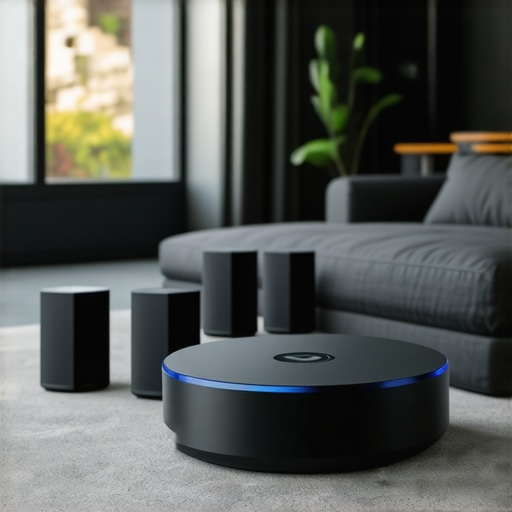
Ever set up a multiroom Wi-Fi speaker system, only to find that your music cuts in and out, or the speakers refuse to play in sync? That frustrating moment used to happen to me more times than I care to admit. One minute I was enjoying a chill playlist in the living room, and the next, I was fiddling with settings, rebooting devices, or worse, giving up altogether. It felt like trying to assemble a complicated puzzle without the picture on the box. But here’s the thing—after countless trials and errors, I finally cracked the code. And I want to share that journey with you, so you can avoid the pitfalls I stumbled into.
Why Whole-Home Audio Matters More Than Ever
In today’s connected world, having a seamless audio experience across your home isn’t just a luxury; it’s almost a necessity. Whether you want to fill your house with uplifting tunes during a dinner party or enjoy a calming soundscape in the bedroom, a well-integrated multiroom system transforms your living space. Plus, with the rise of smart homes, these setups are becoming more accessible and smarter than ever. According to a recent report, wireless multiroom audio systems are expected to grow significantly in the coming years, revolutionizing how we interact with our home environment (source). But here’s the catch—getting everything to work smoothly isn’t always straightforward.
Are Multiroom Wi-Fi Speakers Really Worth the Effort?
I’ll admit, I once believed that setting up a multiroom system would be a breeze. I bought a couple of popular speakers, followed some online guides, and hoped for the best. Early on, I made a classic mistake: I underestimated the importance of a strong, dedicated Wi-Fi network. My household’s Wi-Fi was overloaded, and the speakers kept dropping out or playing out of sync. It was frustrating enough to make me question whether the hassle was worth it. But I learned that with a bit of planning—like ensuring your network can handle multiple devices and choosing the right setup—the experience can be seamless. If you’ve faced similar frustrations, you’re not alone. That’s exactly what I’ll help you with—cutting through the noise and giving you a clear, practical plan for creating your perfect multiroom audio setup.
Ready to turn your home into an immersive sound sanctuary? Let’s dive into the how-to’s that will make your system work flawlessly—no more dropouts, no more sync issues. And if you’re still unsure about whether it’s worth the effort, just remember: once you experience music flowing effortlessly from room to room, you’ll wonder how you ever lived without it.
Start with a Strong Wi-Fi Foundation
Before diving into speaker placement, ensure your home Wi-Fi network is robust enough to handle multiple streams. I learned this the hard way when my initial setup kept dropping connections because my router was outdated and congested. Upgrade to a dual-band or tri-band router with MU-MIMO technology, which can manage several devices simultaneously. Place your router centrally, away from thick walls or electronic interference, to maximize coverage. Test your network’s strength in different rooms with a speed test app to identify potential dead zones.
Choose Compatible Speakers and Network Gear
Not all speakers play nicely together. Pick models that support the same multiroom protocols, like Wi-Fi Direct, or are compatible with your preferred app ecosystem—be it Sonos, Bose, or others. For best results, select wireless access points or mesh Wi-Fi systems to extend coverage without reducing bandwidth. When I added a mesh node to my living room, I noticed a significant improvement in stability and sync across all devices. For detailed recommendations, check out best streaming devices.
Plan Your Speaker Layout Strategically
Think of your home as a series of zones, not just rooms. Place speakers where they can evenly distribute sound without obstructions. In my experience, positioning speakers at ear level and avoiding tight corners reduces echo and distortion. Use the multiroom app to mark each speaker’s location and test playback. It’s tempting to put speakers in every corner, but I found that a few well-placed units create a more balanced soundscape. For more tips, see tips for integrating Wi-Fi speakers.
Configure Your Network and Speakers Correctly
Once physically set, focus on software. Connect your speakers to the same Wi-Fi network—preferably a dedicated 5GHz band for streaming—and assign static IPs if possible to prevent IP conflicts. Use the app to update firmware and calibrate volume levels across devices. I once experienced delay issues until I updated my speakers’ firmware and synchronized them via the app. For in-depth setup guidance, review creating the perfect multiroom system.
Test and Tweak for Perfect Synchronization
After setup, don’t assume everything is perfect. Play a song and walk through your house, listening for lag or dropouts. Use the app’s sync feature to fine-tune timing. In my case, I noticed a slight delay between the living room and kitchen speakers. Adjusting the sync settings fixed the problem. Remember, a little patience and testing go a long way. For advanced optimization, explore secrets to seamless streaming.
Maintain and Expand Your System
Keep your firmware updated regularly and periodically check your Wi-Fi network for interference. As your needs grow, add more speakers progressively, ensuring your network can support the additional load. I expanded my system over several weekends, testing each addition thoroughly. With a solid foundation, your multiroom setup will remain stable and enjoyable for years. For expansion tips, visit expanding your multiroom system.
Many enthusiasts jump into setting up multiroom Wi-Fi speaker systems with high hopes, but often stumble over misconceptions that hinder optimal performance. As someone who has navigated these pitfalls, I can tell you that understanding the nuanced details can save you a lot of frustration. Let’s dig deeper into what most people get wrong and how to avoid these costly mistakes.
Is Compatibility Always Enough for a Flawless System?
Everyone assumes that choosing speakers supporting the same protocol guarantees smooth operation. However, compatibility on paper doesn’t always translate to perfect synchronization in practice. Differences in firmware versions, hardware architectures, or even app ecosystems can cause lag and dropouts. For example, some users think that all Wi-Fi-enabled speakers are interchangeable, but mismatched brands or models might not communicate effectively, leading to sync issues. To truly ensure harmony, it’s crucial to stick to a single ecosystem or carefully verify interoperability, which can be detailed in this guide.
Additionally, many overlook that network infrastructure plays a vital role. Even if your speakers are compatible, a congested Wi-Fi network can cause jitter and disconnects. Upgrading your router to support MU-MIMO and deploying mesh nodes can make a significant difference, as highlighted in this beginner’s guide.
Beware the Myth of Perfect Sync Without Calibration
A common misconception is that once speakers are connected, they will automatically stay perfectly synchronized. In reality, even high-end systems require manual calibration for delay settings, especially in larger homes with multiple zones. Failing to do so results in noticeable lag between speakers, ruining the seamless experience. It’s a mistake to assume that auto-sync features are foolproof; instead, advanced users often fine-tune sync settings via dedicated apps or firmware updates, which can be discussed in this article.
Have you ever fallen into this trap? Let me know in the comments. The key takeaway is that creating a flawless multiroom audio experience isn’t just about hardware; it’s about understanding the underlying tech and doing the necessary calibration and infrastructure upgrades. Taking these nuances seriously will elevate your setup from good to extraordinary.
Maintaining a multiroom Wi-Fi audio setup might seem straightforward at first, but as your system grows, so do the challenges of keeping everything functioning flawlessly. Over time, even the most meticulously configured systems require a bit of TLC to ensure seamless playback and synchronization. One of my go-to tools for this purpose is Fing, a network scanner app that helps me monitor device activity and identify potential network bottlenecks before they cause issues. I use Fing regularly to scan my network, ensuring no rogue devices are interfering and that all my speakers are recognized and operating under optimal conditions. This proactive approach prevents minor glitches from snowballing into major frustrations, especially when expanding or upgrading your setup.
Another invaluable tool I rely on is AVPro Edge’s Network Switch. When I upgraded my home network to a managed switch, I gained granular control over traffic prioritization, which is crucial for multiroom audio. It allows me to assign high priority to audio streams, reducing latency and preventing dropouts. This kind of hardware investment pays off in long-term reliability, especially if you’re running a large number of speakers or integrating smart home systems. For detailed guidance on network hardware, check out this comprehensive blueprint.
Firmware updates are another critical aspect of long-term maintenance. Regularly updating your speakers and network gear ensures compatibility with the latest standards and fixes known bugs. I set a reminder every few months to check for updates via the manufacturer’s app, which often includes performance improvements and security patches. This habit keeps my system resilient and prevents obsolescence.
When it comes to troubleshooting, I often turn to Wireshark, a network protocol analyzer that helps me diagnose streaming issues at a granular level. While it’s more advanced, I’ve found that understanding network traffic can reveal hidden problems like IP conflicts or bandwidth hogs. Using Wireshark has saved me hours of trial-and-error, making it easier to identify whether issues stem from network congestion or device conflicts.
Looking ahead, I predict that AI-driven network management tools will become standard in home audio setups, automating many of these maintenance tasks and optimizing performance in real-time. For now, however, a combination of monitoring apps like Fing, quality hardware like managed switches, and disciplined firmware updates is your best bet for keeping your system in top shape.
How do I maintain my system over time?
Establish a routine to regularly check firmware updates, run network scans, and review device performance logs. Investing in quality network hardware and leveraging tools like Fing and Wireshark will help you catch issues early before they impact your listening experience. Don’t forget to document your setup changes and updates—this makes troubleshooting much faster if problems arise. By staying proactive, you’ll enjoy years of hassle-free, synchronized sound across your entire home. Ready to take your system’s reliability to the next level? Try setting up automated alerts for firmware updates and network health checks today, and enjoy peace of mind knowing your music flows seamlessly, no matter how big your home gets.
The Hardest Lesson I Learned About Multiroom Wi-Fi Audio
One of the biggest surprises I encountered was realizing that even top-tier speakers can struggle without a solid network foundation. I used to think compatibility alone was enough, but I learned the hard way that your Wi-Fi infrastructure is the backbone of a seamless experience. Upgrading my router and deploying mesh nodes drastically improved my system’s stability and sync. Trust me, ignoring this can turn your dream setup into a constant headache.
Three Mistakes That Held Me Back from Perfect Sync
First, I underestimated the importance of firmware updates. Regularly updating my speakers and network gear kept everything running smoothly. Second, I thought auto-sync was foolproof—false! Manual calibration made a huge difference, especially in larger homes. Lastly, I ignored network traffic prioritization, which caused delays and dropouts. Using managed switches and quality hardware turned that around, making my multiroom sound flawless.
My Top Picks for a Reliable Multiroom Setup
For anyone serious about multiroom Wi-Fi audio, I recommend a dual-band or tri-band router supporting MU-MIMO. Mesh Wi-Fi systems like Netgear Orbi or Google Nest help extend coverage without sacrificing speed. When choosing speakers, stick to brands supporting the same ecosystem—Sonos, Bose, or others—and ensure they support your preferred app. These tools have been game-changers for me and are worth investing in for peace of mind.
Get Ready to Transform Your Home Soundscape
Now that I’ve cracked the code, I want you to experience the joy of effortless, synchronized music flowing through your home. Take the time to build a strong network, choose compatible gear, and stay proactive with updates. Your home deserves the best sound quality, and with a little effort, you can create a multiroom setup that’s reliable and immersive. Don’t wait—start today and enjoy the magic of truly seamless home audio.


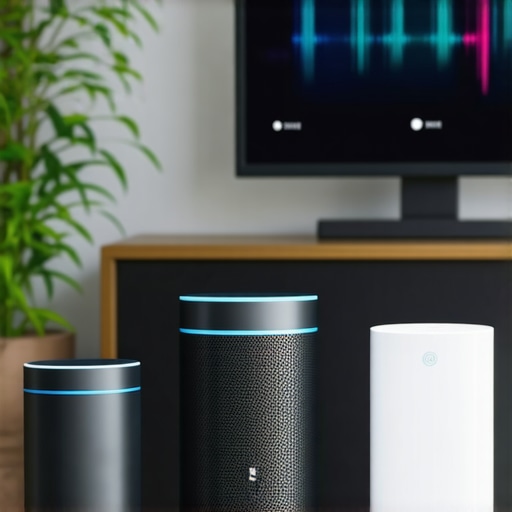
![Stop Sync Drift: 4 Matter 3.0 Multiroom Audio Hacks [2026]](https://homeaudio.premiumsounddeals.com/wp-content/uploads/2026/03/Stop-Sync-Drift-4-Matter-3.0-Multiroom-Audio-Hacks-2026.jpeg)
![5 Portable Wi-Fi 8 Speakers with 50-Hour Battery [2026 Picks]](https://homeaudio.premiumsounddeals.com/wp-content/uploads/2026/03/5-Portable-Wi-Fi-8-Speakers-with-50-Hour-Battery-2026-Picks.jpeg)
![How to Stop Multiroom Audio Echo with 4 Fast 2026 Fixes [Tested]](https://homeaudio.premiumsounddeals.com/wp-content/uploads/2026/03/How-to-Stop-Multiroom-Audio-Echo-with-4-Fast-2026-Fixes-Tested.jpeg)


Leave a Reply