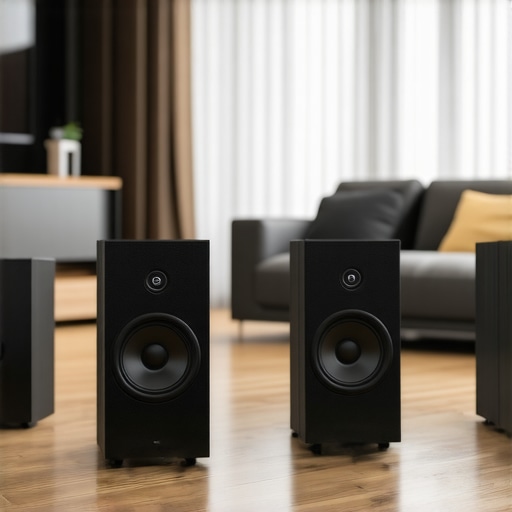
Ever had that frustrating moment when you’re trying to enjoy your favorite song, only to realize your speakers are scattered, inconsistent, and tangled in wires? I’ve been there. A simple music session turned into a game of musical chairs, with some rooms echoing silence while others blast unexpectedly loud. It was a wake-up call. I knew there had to be a better way.
Why Whole-Home Audio Matters More Than Ever
In 2024, our homes are more connected than ever. But why does seamless multiroom audio matter so much? Well, beyond just filling space with sound, it creates an atmosphere — a vibe that ties everything together. Whether I’m hosting friends, relaxing with a book, or cooking dinner, having my music follow me around without fuss makes a huge difference. According to a recent study, over 70% of homeowners now prioritize smart and wireless tech for their entertainment setups, making multiroom audio not just a luxury but a necessity. You can check out more about how wireless streaming is transforming home entertainment.
Have You Faced This Frustration?
Honestly, I used to spend hours troubleshooting my old wired speakers, trying to sync them, only to end up with lag or missing speakers altogether. Making that mistake early on — assuming all wireless is the same — cost me time and money. Trust me, not all devices are created equal. Picking the right multiroom setup can seem daunting, but once you get it right, it’s like having a personal concert in every room.
So, today I’ll guide you through selecting the best devices for seamless, high-quality home audio. We’ll cut through the hype, share proven tips, and help you build a system that truly works for your space. Ready to transform your home into the ultimate sound sanctuary? Let’s dive in.
Select the Right Devices for Your Home
Start by choosing devices that are compatible and support the same streaming protocols. I recommend looking into popular brands like Sonos, Bose, or Denon. When I set up my system, I initially bought random Bluetooth speakers, but they didn’t sync well and caused lag. Switching to dedicated Wi-Fi speakers with mesh networking capabilities solved that problem. To ensure smooth operation, verify that your devices support standards like Wi-Fi 5 or Wi-Fi 6, which provide faster, more reliable connections. Check out the best wireless streaming devices for 2024 here.
Design a Network That Supports Seamless Streaming
Think of your Wi-Fi network as the highway for your audio traffic. A crowded or poorly optimized network leads to traffic jams and dropped signals. I upgraded my router to a tri-band mesh system, which created multiple lanes for data to flow. Place your router centrally and avoid interference from microwaves or thick walls. Use dedicated SSIDs for your speakers if possible, and ensure they connect to your 5 GHz band. I also set up a separate network for my smart devices to keep the traffic isolated. This setup dramatically improved my streaming stability. For detailed tips, check out this guide.
Configure Devices for Optimal Performance
Once your hardware is in place, focus on configuration. Assign static IP addresses to your speakers to prevent IP conflicts. Use the manufacturer’s app or a unified home automation platform to group speakers, so they play in sync. I experimented with different grouping strategies, grouping by rooms rather than zones, which made moving around my house feel natural. Also, update firmware regularly to fix bugs and enhance features. I once ignored updates, and my system started lagging during parties. Updating resolved the issue instantly. For more on setup techniques, see this tutorial.
Test and Fine-Tune Your System
After initial setup, spend time testing each zone for audio sync, volume levels, and stability. I played the same song in different rooms, walking around to check for lag or dropouts. Use apps that allow latency measurement; if you notice delays, adjust buffer settings or update device firmware. If some speakers are weaker, consider repositioning or investing in range extenders. I found that placing speakers at ear level and away from obstructions improved sound quality. Keep tweaking until the system feels natural. Remember, a little patience here pays off in a seamless experience. For expert tuning tips, visit this resource.
Many enthusiasts believe that setting up a seamless whole-home audio system is straightforward, but this misconception can lead to costly mistakes and frustration. The truth is, there are nuanced pitfalls and misconceptions that can trip up even seasoned DIYers. As someone who’s spent years fine-tuning multiroom audio setups, I want to share some insights that challenge popular beliefs and help you avoid common traps.
Why the Popular Belief That All Wireless Devices Are Equal Is Wrong
One of the biggest myths is that all wireless speakers and streaming devices perform similarly. In reality, the quality of your experience hinges on specific standards and network compatibility. Many assume that Bluetooth speakers are sufficient for multiroom setups, but they often suffer from lag, disconnections, and poor synchronization. In contrast, Wi-Fi-based systems using mesh networks provide more reliable, synchronized audio. Relying solely on Bluetooth can lead to the very issues you’re trying to avoid, like lag and dropouts. For a more reliable experience, I recommend exploring wireless streaming standards.
Beware the Oversimplification of Network Setup
Many assume that simply having a good Wi-Fi connection is enough for seamless streaming. However, the devil is in the details. A common mistake is ignoring network segmentation — dividing your network into separate SSIDs or bands for your devices. This prevents interference and ensures your speakers connect to the optimal band (usually 5 GHz). Additionally, placing your router centrally and utilizing mesh systems can prevent dead zones. Skipping this step often results in audio lag or dropouts. I’ve learned that dedicating bandwidth and setting static IPs for your devices significantly improves stability. For more advanced network tips, check out this guide.
Advanced Question: How Do I Future-Proof My Whole-Home Audio System
Many focus on the current hardware, but the real nuance is in planning for future upgrades. The key is choosing systems that support emerging standards like Wi-Fi 6E and Zigbee or Z-Wave for smart home integration. Also, opting for modular systems that can be expanded without replacing existing hardware ensures longevity. Upgrading your network infrastructure periodically and selecting devices with firmware upgrade paths prevents obsolescence. According to industry experts, future-proofing your setup not only saves money but ensures compatibility with new tech. For deeper insights, I recommend exploring this comprehensive resource.
In conclusion, avoiding these common myths and understanding the nuanced details of network setup, device compatibility, and future-proofing can significantly elevate your home audio experience. Have you ever fallen into this trap? Let me know in the comments!
Once you’ve set up your sophisticated multiroom audio system, the journey doesn’t end there. Maintaining it effectively ensures that your home remains a haven of high-quality sound without frustrating interruptions or technical hitches. Over the years, hardware can drift out of sync, firmware needs updating, and network conditions may change. That’s why I recommend a proactive maintenance routine combined with the right tools to keep everything running smoothly.
How do I maintain my home audio setup over time?
First, I rely heavily on **firmware updates**. Manufacturers like Sonos and Bose regularly release updates that fix bugs, improve connectivity, and add new features. I make it a habit to check for updates at least once a month through their dedicated apps or platforms. This simple step can dramatically enhance stability and performance. Additionally, I subscribe to firmware notifications so I don’t miss critical patches.
Second, I use **network monitoring tools** such as Fing or Wireshark. These apps help me identify network issues like bandwidth bottlenecks or IP conflicts that could disrupt audio streaming. For instance, I discovered a rogue device hogging bandwidth, which, once removed, improved my system’s responsiveness. Regularly testing your network’s health is key, especially as more smart devices join your home ecosystem.
Third, I employ **dedicated mesh Wi-Fi systems** like Netgear Orbi or Eero, which I set up with a focus on optimal placement and bandwidth prioritization. This ensures your speakers always have a reliable connection. I also set static IP addresses for critical devices, preventing IP conflicts that cause lag or dropouts. When I notice performance dips, I reboot my router and mesh nodes, which often resolves temporary issues.
Finally, I keep a **backup plan**. Using a simple configuration snapshot or exporting device settings saves time if a reset or hardware swap becomes necessary. I also document my setup with photos and notes, so I can quickly reconfigure if needed. As I look ahead, I predict that AI-driven network management and firmware auto-updates will become standard, further simplifying maintenance and ensuring consistent performance without manual intervention.
To dive deeper into maintenance best practices, check out this detailed guide. I highly recommend trying out network monitoring apps like Fing—it’s a game-changer for diagnosing issues early. Keeping your system running flawlessly isn’t just about initial setup; it’s about ongoing care that preserves your audio experience for years to come.
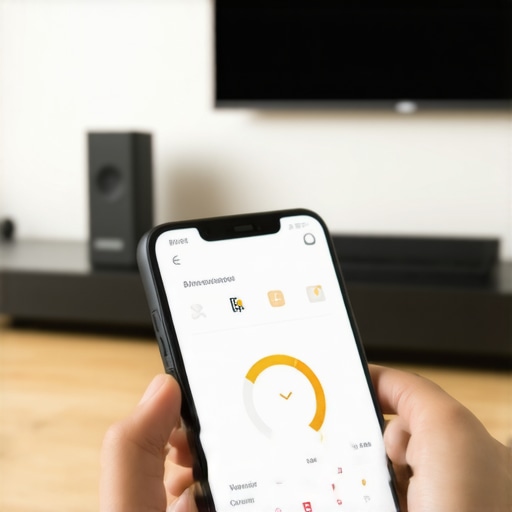
When I first started setting up my home audio system, I underestimated the importance of meticulous planning and the hidden pitfalls that lurk behind seemingly simple choices. Over the years, I’ve learned that creating a seamless, reliable multiroom setup isn’t just about buying expensive speakers — it’s about understanding the nuances that make everything work together harmoniously.
The Hardest Lesson I Learned About Multiroom Audio
- Not all wireless devices are created equal. I once assumed Bluetooth speakers would suffice for my whole-home setup. The lag and disconnects taught me that Wi-Fi-based systems with mesh networking are far superior for synchronized sound.
- Network setup can make or break your experience. Simply upgrading your router isn’t enough. Segmenting your network, placing your router strategically, and dedicating bandwidth to your speakers transformed my streaming stability.
- Future-proofing requires foresight. Investing in devices supporting Wi-Fi 6 and modular systems means your setup can evolve without costly replacements. Planning ahead saved me time and money.
My Essential Toolkit for Home Audio
- Mesh Wi-Fi systems like Eero or Netgear Orbi. They create reliable lanes for your audio traffic and eliminate dead zones, which I personally rely on for a stable connection.
- Dedicated Wi-Fi speakers supporting standards like Wi-Fi 6. Brands like Sonos and Bose offer robust options that my experience has proven reliable.
- Network monitoring tools such as Fing or Wireshark. These helped me identify issues early before they affected my listening experience.
- Firmware update subscriptions and documentation. Staying current with updates keeps my system running smoothly, an essential habit I highly recommend.
Your Turn to Try
Building a seamless whole-home audio system isn’t just a technical task — it’s a journey of discovery that can truly transform your living space. With the right mindset, tools, and patience, you can enjoy crystal-clear, synchronized sound throughout your home. Remember, the secret lies in understanding the details others often overlook, like network segmentation and future-proofing your setup.
Are you ready to elevate your home audio experience? Share your challenges or successes in the comments — I love hearing how others are transforming their spaces with smarter wireless solutions!


![Stop Sync Drift: 4 Matter 3.0 Multiroom Audio Hacks [2026]](https://homeaudio.premiumsounddeals.com/wp-content/uploads/2026/03/Stop-Sync-Drift-4-Matter-3.0-Multiroom-Audio-Hacks-2026.jpeg)
![5 Portable Wi-Fi 8 Speakers with 50-Hour Battery [2026 Picks]](https://homeaudio.premiumsounddeals.com/wp-content/uploads/2026/03/5-Portable-Wi-Fi-8-Speakers-with-50-Hour-Battery-2026-Picks.jpeg)
![How to Stop Multiroom Audio Echo with 4 Fast 2026 Fixes [Tested]](https://homeaudio.premiumsounddeals.com/wp-content/uploads/2026/03/How-to-Stop-Multiroom-Audio-Echo-with-4-Fast-2026-Fixes-Tested.jpeg)


Leave a Reply