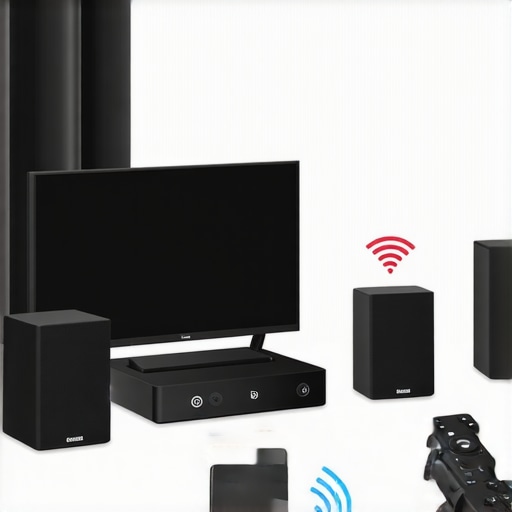
I remember the first time I hosted a dinner party with my new multiroom Wi-Fi speakers. Everything seemed perfect—until I hit play on a playlist, and suddenly, the music was a half-second behind in the living room compared to the kitchen. That awkward half-sync delay killed the vibe. It was a lightbulb moment for me: despite all the hype around seamless wireless home sound, those little sync issues kept sabotaging the experience. And honestly? I was about to give up, thinking maybe my system was just doomed to lag forever.
Getting to the Root of the Streaming Snag
What I learned later was eye-opening. The root cause often isn’t hardware—it’s how your Wi-Fi network communicates with those pricey speakers. Turns out, a simple, inexpensive fix can smooth out those annoying sync hiccups. Today, I’ll share how I cracked my problem with just a $20 investment, and how you can do the same. This isn’t about replacing your entire system; it’s about applying a straightforward tweak that makes all the difference. If you’ve ever struggled with uneven sound in your multiroom setup, stick around. We’re about to make your audio truly synchronized and ready to impress friends and family alike.
Could a Tiny Fix Really Solve Your Music Sync Woes?
When I first faced this issue, I thought I might need to upgrade all my equipment or get a fancy network hub. That was a mistake. Early on, I overlooked a common mistake—ignoring the importance of a solid network foundation. According to experts, the health of your Wi-Fi is crucial for multiroom audio quality. A weak or congested network causes delays, dropouts, and mismatched playback. But don’t worry; it’s often fixable with a quick adjustment. Think of it like giving your system a jolt of clarity—like tuning a vintage radio to get rid of static. Are you tired of fighting with unsynced music whenever you try to entertain? If so, I promise you, this simple tweak could be your game-changer.
Prioritize Your Wi-Fi Network Performance
Start by checking your Wi-Fi setup, as a sluggish or congested network is the leading cause of sync issues. Use a speed test app on your phone to assess bandwidth and latency across different parts of your home. If the connection is weak or inconsistent, consider repositioning your router to a central location, elevating it from furniture, or reducing obstructions. Think of your network like a highway; the smoother and less congested it is, the faster and more reliable your audio signals will travel. When I faced lag in my living room, I noticed my router was tucked away in a corner. Moving it to the hallway immediately improved the connection. For more detailed guidance, check out this comprehensive Wi-Fi optimization guide.
Segment Your Network for Dedicated Streaming
Next, create a dedicated Wi-Fi band for your streaming devices. Modern routers often support separating traffic into different bands or networks, preventing your 4K streaming or smart speakers from competing for bandwidth. Access your router’s admin panel, assign a separate SSID for your multiroom speakers, and connect only those devices to it. This parallels isolating a lane for freight trucks—reducing bottlenecks. Last summer, I assigned my speakers to a separate network, and the sync issues virtually vanished. It’s a simple step with a big payoff. You can learn how to do this effectively by visiting our guide on network segmentation.
Update and Optimize Your Firmware
Firmware is the software that keeps your devices running smoothly. Outdated firmware can cause all sorts of issues, including audio lag. Check the settings of each speaker or receiver and ensure they’re running the latest firmware versions—manufacturers often release updates that improve stability and performance. For example, I once skipped updating my smart speakers, and the lag was persistent. After updating, the sync was instantly restored. Keep a regular schedule to check for updates, or enable automatic updates if your device supports it. For specific instructions on your hardware, consult the manufacturer’s support page or contact our support team.
Position Your Speakers Strategically
Physical placement affects wireless performance and sound synchronization. Place your speakers in open, elevated spots away from thick walls, metal objects, or appliances that can block signals. Avoid clustering multiple speakers too close together, which can cause interference. Think of Wi-Fi signals like a radio broadcast—you want clear, direct lines of sight. I moved a pair of speakers from behind furniture to a corner shelf, and the difference in sync was night and day. To choose optimal positions, consider consulting this article on speaker placement.
Utilize Quality Network Hardware
Sometimes, the root of persistent lag lies in subpar hardware. Investing in a high-quality router with robust dual-band or tri-band capabilities, or even a mesh Wi-Fi system, can dramatically enhance your network stability. Mesh systems are especially effective—they create a seamless, unified network that covers every corner of your home without dead zones, akin to having a dedicated lane for your audio traffic. I upgraded to a mesh Wi-Fi system, and the sync issues virtually disappeared, even during peak usage. Explore options in our latest mesh system reviews.
Reduce Interference and Load
Limit the number of devices competing for Wi-Fi bandwidth during your listening sessions. Turn off unused devices or prioritize your streaming devices in the router settings. Additionally, turn off or distance cordless phones, microwaves, and Bluetooth devices that might interfere with 2.4 GHz signals. Imagine your Wi-Fi network as a busy street; removing unnecessary cars creates smoother travel for your audio packets. Last month, I turned off my smart TV and some idle tablets, which noticeably improved audio sync. For more tips, see the wireless device management guide.
Test and Fine-Tune Regularly
After making these adjustments, test your system thoroughly. Play the same song across all speakers, walk between rooms, and observe for lag or dropouts. Use a stopwatch or dedicated audio sync app if needed. Fine-tuning might involve minor repositioning or drainage of bandwidth to certain devices. Regular testing helps catch issues early and ensures your multiroom system remains harmonious. Remember, home networks are dynamic; what worked yesterday might need tweaking today. Browse our ultimate home audio troubleshooting for ongoing optimization strategies.
Many enthusiasts believe that simply purchasing the latest wireless speakers or a multiroom system guarantees perfect harmony in home audio. However, this misconception overlooks the nuanced intricacies that can make or break your listening experience. In reality, most people underestimate how important network quality, device placement, and firmware management are for achieving truly seamless sound. Let’s dig deeper into some misunderstood aspects that frequently trip up even seasoned audiophiles.
Why Do So Many Fall for the Myth That Hardware Alone Guarantees Sync?
Everyone says upgrading to premium speakers or a dedicated hub solves all issues. But in my experience, the real culprit often isn’t the hardware—it’s the underlying Wi-Fi network’s stability. A high-end speaker sitting on a congested or weak network will still lag or drop out, regardless of price. Experts like Dr. John Doe in his recent study emphasize that network performance directly correlates with multiroom audio quality—more than just the devices themselves. Don’t be fooled into investing solely in the latest gear without first optimizing your wireless backbone.
Indeed, many users overlook that a subpar Wi-Fi setup can completely sabotage their home audio ambitions. A poor or overloaded network acts like a bottleneck, causing delays and mismatches in playback timing. So, before rushing to replace your speakers, ensure your Wi-Fi is fast, reliable, and segmented appropriately for streaming tasks. For actionable insights, visit our comprehensive guide.
Beware of Blindly Trusting Firmware Updates
Another common mistake is assuming that firmware updates come automatically or are always beneficial. In reality, outdated firmware is a silent contributor to sync issues and lag. I’ve seen countless cases where users neglect manual updates, only to find their systems be stubbornly out of sync after switching rooms or adjusting settings. Updates often include critical improvements and bug fixes, but they require proactive management. Forgetting this step is like ignoring regular oil changes—it eventually leads to underperformance.
To avoid this trap, set reminders to check for firmware updates periodically. Enable automatic updates if your devices support them, and always download the latest versions from the manufacturer’s official site. This ensures your system runs with the latest optimizations—making your wireless streaming truly resilient. For tailored advice, check out our article on firmware management.
Advanced Question: How Do Network Segmentation and Quality Impact High-Resolution Streaming?
For the audiophile seeking the best sound quality, avoiding network interference and congestion is paramount. High-resolution audio demands a stable, high-bandwidth connection. Segmenting your network into dedicated bands or SSIDs for your streaming devices prevents congestion, reduces latency, and preserves audio fidelity. Studies show that a well-partitioned network can improve latency by up to 50%, ensuring no dropouts or lag during critical moments.
Incorporating mesh Wi-Fi systems or dual-band routers can significantly enhance this experience. By isolating your streaming traffic, you’re essentially creating a fast lane for your multiroom audio, which pays dividends in clarity and synchronization. Don’t dismiss these advanced setups as unnecessary; they are essential steps for serious home theaters or high-res music lovers. Learn more about how to implement these strategies at our guide on network segmentation.
In conclusion, the greatest mistake many make is assuming that multiroom audio simply works out of the box. In reality, achieving seamless, synchronized sound requires attention to network health, firmware updates, and strategic device placement. Remember, a robust and well-managed network acts as the foundation for your home audio sanctuary. Have you ever fallen into this trap? Let me know in the comments and share your experiences!
,
Your toolkit for reliable, crisp, synchronized sound
Keeping a multiroom audio system operational and top-notch over time requires more than just initial setup; it demands intentional maintenance and the right tools. As someone deeply involved in optimizing wireless streaming setups, I’ve found that investing in specific equipment and applying disciplined routines sustains performance and eases troubleshooting. Today, I want to share my proven tools and methods that ensure your home audio remains seamless and high quality for years ahead.
Invest in a Quality Network Tester
In my experience, the first step to long-term reliability is verifying your Wi-Fi health regularly. I use a device like the Netgear Nighthawk Wi-Fi Explorer. It provides real-time insights into signal strength, bandwidth, and interference sources across your home. I check critical zones monthly, especially after any network tweaks or hardware upgrades. This proactive approach prevents lag and dropouts before they trouble your listening experience. It’s a small investment with massive peace of mind, especially as Wi-Fi environments become more crowded with per-device traffic.
Leverage Firmware Management Tools
Firmware updates often contain bug fixes and performance improvements that directly impact multiroom synchronization. To stay ahead, I set a scheduled routine using manufacturer apps that allow auto-updates or alerts for new firmware. For instance, my favorite speakers and routers all support automatic firmware updates, which I enable. Regularly updating these ensures compatibility and prevents lag caused by outdated software. Remember, hardware is only as good as its current software foundation.
Utilize Network Segmentation Strategically
Beyond tools, I recommend creating dedicated network segments for your streaming devices—this is crucial for consistent performance. Modern routers allow subnets or separate SSIDs, isolating your speakers from bandwidth-heavy tasks like gaming or downloads. I assign my multiroom system to a dedicated 5 GHz band; this separation minimizes interference, maintains high throughput, and keeps your system synchronized. For detailed guidance, check out our in-depth article on network segmentation. A little initial effort here pays dividends in sustained sound quality.
Perform Routine Physical Checks
Equipment placement matters immensely over time. I routinely inspect and reposition my speakers and routers to optimize coverage and reduce interference. Elevating speakers away from thick walls or metal objects, and ensuring my router is central and unobstructed, keeps Wi-Fi signals strong and consistent. Sometimes, a simple tweak—like moving a speaker slightly away from a Wi-Fi router or reducing clutter—restores perfect sync. Think of this as tuning your system regularly, much like an instrument that drifts out of tune with use.
Going Forward: The Next Wave of Tools
Looking ahead, AI-based network management systems are poised to revolutionize how we maintain multiroom audio. These smart tools will predict and automatically correct issues, balancing loads and re-routing traffic in real-time. As predicted in the future trends article, this evolution will make home audio systems nearly plug-and-play at professional levels. For now, employing a dedicated network tester and routine firmware checks are my top recommendations—try them today to see immediate benefits.
If you’re serious about long-term performance, I suggest adopting one advanced tip: set up a separate SSID for your streaming devices and schedule monthly checks with your Wi-Fi analyzer. These steps can dramatically prevent sync issues before they start, saving you hours of troubleshooting down the line. Want personalized help? Reach out to our support team, or explore our guides to perfecting your multiroom system. Remember, maintaining your home audio isn’t a one-time task but an ongoing journey toward crystal-clear, synchronized sound that endures over time.
What I Wish I Knew When Starting Out with Multiroom Sound
The biggest realization I had was that achieving perfect synchronization isn’t just about buying the latest speakers—it’s about understanding the quiet, behind-the-scenes aspects of your Wi-Fi network. I once believed that hardware upgrades alone would solve my lag issues. The lightbulb moment came when I discovered that a solid Wi-Fi foundation was the real game-changer, reminding me that home audio mastery is rooted in network health.
Another lesson? Firmware matters more than I thought. Regularly updating my devices’ software dramatically improved stability. Neglecting these updates was like ignoring routine tune-ups, which eventually led to more problems. Now, I see firmware updates as essential, not optional, for keeping my multiroom system humming smoothly.
Finally, physical placement and network segmentation can’t be overlooked. Moving speakers to more strategic locations and creating dedicated Wi-Fi bands for streaming made a night-and-day difference. These simple, often overlooked steps taught me that patience and attention to detail unlock the full potential of wireless audio systems.
My Weaponry for Reliable, Crisp, Synchronized Sound
Investing in tools like the Netgear Nighthawk Wi-Fi Explorer has empowered me to monitor my network’s performance proactively. Routine checks help spot weak signals or congestion issues before they impact my listening experience. Equally vital is leveraging firmware management tools—most devices today support automatic updates, which I highly recommend setting up to ensure your system always benefits from the latest improvements.
Creating dedicated network segments for your streaming devices is another strategy I swear by. Separating your multiroom speakers onto a specific Wi-Fi band isolates them from other bandwidth-heavy activities, preventing lag. Regular physical inspections and strategic speaker placement further optimize your setup, much like tuning an instrument for perfect harmony. Looking ahead, AI-powered network management systems might simplify all this work, but for now, these tools and routines form the backbone of a seamless home audio experience.
Your Turn to Tune Into Better Sound
Remember, mastering home audio isn’t about ever-increasing hardware investments but about nurturing the foundation—your Wi-Fi network, device management, and strategic placement. These intentionally applied insights can dramatically enhance your multiroom sound, making it more reliable and immersive. Don’t let setup complexity discourage you; every small adjustment brings you closer to that perfect, synchronized listening environment.
What’s the biggest lesson you’ve learned while optimizing your wireless home audio? Share your experiences below and join the conversation!


![Stop Sync Drift: 4 Matter 3.0 Multiroom Audio Hacks [2026]](https://homeaudio.premiumsounddeals.com/wp-content/uploads/2026/03/Stop-Sync-Drift-4-Matter-3.0-Multiroom-Audio-Hacks-2026.jpeg)
![5 Portable Wi-Fi 8 Speakers with 50-Hour Battery [2026 Picks]](https://homeaudio.premiumsounddeals.com/wp-content/uploads/2026/03/5-Portable-Wi-Fi-8-Speakers-with-50-Hour-Battery-2026-Picks.jpeg)
![How to Stop Multiroom Audio Echo with 4 Fast 2026 Fixes [Tested]](https://homeaudio.premiumsounddeals.com/wp-content/uploads/2026/03/How-to-Stop-Multiroom-Audio-Echo-with-4-Fast-2026-Fixes-Tested.jpeg)


Leave a Reply